
Market Minds Advisory
Zirconia-Based Dental Ceramics Market

Zirconia-Based Dental Ceramics Market: Zirconia-Based Dental Ceramics Market: Every Gain In Translucency Costs Strength

The strongest grade bends at 1,200 megapascals and looks opaque, the most lifelike one manages barely half that, and no formulation anybody has found has ever escaped that particular trade at all.

Lead Analyst

Published

August 2026

Make Smarter Decisions with Customized Research Insights

Request a free sample report and evaluate market opportunities, growth trends, and competitive dynamics relevant to your business needs.

2025 MARKET VALUE$1.9BMarket Size 2025
2036 FORECAST VALUE$4.4BBase Case , 2026 to 2036
CAGR 2026 TO 20368.0 %Bull 9.2% / Bear 6.8%
INCREMENTAL OPPORTUNITY$2.4BNet 10- year value creation
EXPANSION MULTIPLE2.16x2036 value over 2026 base
Strategic Levers
M&A Pipeline
Regional Outlook
Country Rankings
Competitive Intelligence
Segmental Deep-dive
Call-Us : 91 93563 13602

Executive Snapshot and Market Trajectory.

One trade-off governs this entire material. Adding yttria makes zirconia translucent enough to look like a tooth and simultaneously drops bending strength from around 1,200 megapascals to roughly 600, and nobody has found a formulation that escapes it. Everything else here follows from that.
East Asia takes 30% of value, leading on three counts at once: dental grade powder supply concentrated with a single Japanese producer, the largest blank manufacturing base anywhere, and milling capacity that produces a substantial share of restorations fitted in Western mouths. Multilayer gradient blanks grow at 12.0%, half again the market rate of 8.0%, by putting strength and translucency in different parts of the same disc. Nothing anybody found in chemistry ever resolved it.
Concentration reaches 44%. The commercial structure is unusual: the product sold is a pre-sintered blank rather than a finished restoration, roughly 62% of dental grade powder comes from one producing group, and milling consolidated an industry of small laboratories into a much smaller number of larger ones. A blank manufacturer is therefore adding pressing, colouring and quality control to a raw material almost every competitor also happens to use.
Market Definition
The market covers zirconia materials supplied for dental restorative and implant applications, spanning high-strength 3Y zirconia blanks, translucent 4Y and 5Y zirconia blanks, multilayer and gradient zirconia blanks, zirconia implant and abutment materials, veneering and staining ceramics used with zirconia, and zirconia powders and feedstock. Milling machines, sintering furnaces and scanners, lithium disilicate and other non-zirconia ceramics, metal alloys and composites, dental laboratory services sold as services, and industrial zirconia applications are excluded from scope.
Base Year Value
$1.9B in 2025 (MMA Primary Research Dataset, August 2026)
Forecast Period
2026 to 2036, eleven discrete annual values
CAGR
8.0% base case. Bull 9.2%. Bear 6.8%.
Fastest Growth Segment
Multilayer and Gradient Zirconia Blanks: 12.0% CAGR
Fastest Growth Country
India: 10.0% CAGR
Fastest Growth Region
South Asia and Pacific: 10.2% CAGR
Largest Region
East Asia: 30% of 2025 global value
Market Leaders
Ivoclar, Dentsply Sirona, Kuraray Noritake, VITA Zahnfabrik, Tosoh. Source: MMA Analysis based on disclosed dental ceramic and zirconia material revenue, company annual reports 2025.
Primary Survey
n=3,800 procurement and R&D decision-makers, Q4 2025, six countries
Methodology
Demand-side build-up, cross-validated against public data, 47 expert interviews

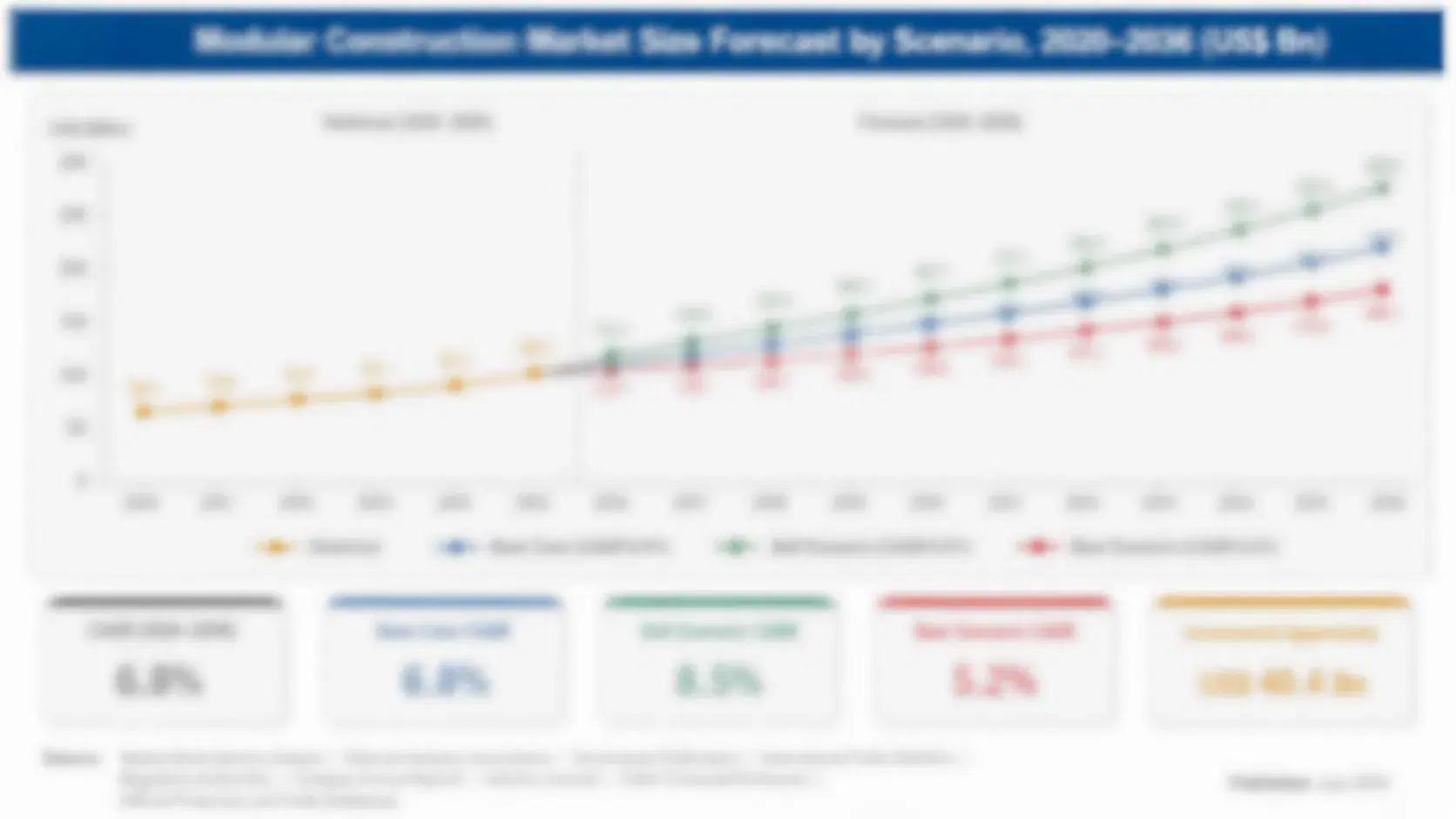
Zirconia-Based Dental Ceramics Market Forecast Scenarios

zirconia-based-dental-ceramics-market-size-forecast-scenario-1787716016290
Growth from 2020 to 2025 ran at 6.8% and the material displaced two things at once. Porcelain fused to metal lost share because veneering porcelain chips and monolithic zirconia does not, and layered zirconia lost share to monolithic for exactly the same reason. Meanwhile translucent grades improved enough that dentists stopped confining zirconia to posterior teeth, opening anterior work that belonged to other ceramics.
The 8.0% base case rests on three mechanisms. Multilayer gradient blanks keep taking share because they place high strength at the margin and translucency at the incisal edge within one disc. Zirconia implant and abutment materials keep growing on metal-free demand and soft tissue response. And Asian and Indian restoration volume keeps rising as dental prosthetic access extends well beyond the largest cities at last. None of the three changes the trade-off.
The bull case at 9.2% assumes speed sintering reaches quality parity with conventional cycles, which would put same-day zirconia within reach of ordinary practices rather than only well-equipped ones. The bear case at 6.8% is blank pricing compressing further as Chinese and Korean manufacturers extend into Western markets, since a blank is a commodity once the powder inside comes from the same source.

Strength Against Looking Real

Everything in this category is a point on one curve. Zirconia is stabilised with yttria, and more yttria produces more cubic phase, which lets light through and makes a restoration look like a tooth. It also removes the transformation toughening that gives the material its strength. The strongest grade bends at around 1,200 megapascals and looks opaque; the most translucent manages roughly 600 and looks convincing. Choose one.
FIVE-FIRM CONCENTRATION44%Share of category revenue held by the largest material suppliers
HIGH-STRENGTH FLEXURAL VALUE1,200 MPaBending strength of the strongest opaque zirconia grade
TRANSLUCENT GRADE STRENGTH600 MPaBending strength once translucency has been fully optimised
SINTERING CYCLE TIME25 minutesTime a speed sintering furnace needs per unit
BLANK YIELD PER DISC14 unitsRestorations milled from one single pre-sintered material disc
POWDER SUPPLY CONCENTRATION62%Global dental grade powder from a single producing group
Multilayer blanks are the industry's answer and they are genuinely clever. A single disc is pressed with graded yttria content so a crown milled from it has high-strength material at the margin and translucent material at the incisal edge. Growth at 12.0% follows that directly. The challenge is achieving a gradient without an interface, since any discontinuity becomes a crack initiation site.
Underneath sits a supply structure most people in dentistry never think about. The product sold is a pre-sintered blank, not a restoration, and roughly 62% of dental grade zirconia powder comes from one producing group in Japan. A blank manufacturer therefore adds pressing, colouring and quality control to a shared raw material. That explains why blank pricing behaves as it does whenever a new region enters.
"Half the discs on the market start life as the same powder from the same plant. What you are buying is somebody's pressing discipline and their colour consistency, which is a much smaller thing than the marketing suggests."
Director, Dental Materials Practice · MMA Dental Materials and Restorative Ceramics Practice · August 2026

Market Trends

Multilayer Blanks Resolve The Trade-Off Geometrically

If a single composition cannot be both strong and translucent, a graded disc can put each property where the restoration needs it, with high-strength material at the margin and translucent material toward the incisal edge. Growth at 12.0% follows that logic directly. Achieving a genuine gradient rather than stacked layers is the manufacturing difficulty, because any interface becomes a crack initiation site under years of cyclic loading in a mouth. That pressing capability is genuinely difficult to replicate and is the clearest differentiation this material permits anybody anywhere at all.
Market Impact: Removes 1 dominant failure mode
Speed Sintering Collapses Cycles Toward Same-Day Work

Sintering cycles that once ran eight hours or longer now complete in around 25 minutes on speed furnaces, which is what makes same-day zirconia restoration possible at all. Rapid cycles affect grain growth and therefore translucency and strength, so the material has to be formulated for them rather than merely subjected to them. Practices adopting chairside workflows drive the demand, and laboratories running overnight cycles have no particular need for it. A material designed for overnight sintering was never intended to tolerate that kind of rapid heating rate at all.
Market Impact: Grows India fastest at 10.0%

Market Opportunities and Growth Drivers

Monolithic Zirconia Displaced Everything That Chips

Porcelain fused to metal and layered zirconia both fail predominantly through chipping of the veneering ceramic, which is a failure mode monolithic zirconia simply does not have because there is nothing layered on top to chip. Dentists noticed within a few years of clinical experience. That single durability argument moved an enormous volume of posterior restoration work and it continues moving anterior work as translucent grades improve enough to satisfy appearance. Translucent grades have now improved enough that appearance objections in anterior work are steadily disappearing as well by now.
Market Impact: Halves strength to 600 megapascals

Indian Prosthetic Access Extends Beyond Major Cities

Dental prosthetic work across Indian tier two and tier three cities is growing quickly as milling capacity and trained technicians reach places that previously sent everything to a metropolitan laboratory or did without. India grows fastest of any country at 10.0%. Price sensitivity is severe, so domestic and Chinese blanks carry almost all of that volume. Unit growth and revenue growth for international suppliers diverge sharply as a direct result. Milling capacity and trained technicians rather than clinical demand have in practice actually limited that expansion so far out there.
Market Impact: Sources 62% from one group

Market Restraints and Challenges

Translucency And Strength Cannot Both Be Had

Yttria content controls both properties in opposite directions, so a grade optimised for appearance bends at roughly 600 megapascals against 1,200 for the opaque one, and clinicians choose based on where the restoration sits and what it has to survive. Root cause is the crystallography, which no processing change alters. Commercial impact is a portfolio rather than a product. Mitigation is multilayer blanks placing each property where it is needed, which is geometry rather than chemistry. Clinicians are increasingly asked to choose a grade rather than simply a material at all.
Market Impact: Grows gradient blanks at 12.0%

One Powder Source Sits Behind Most Blanks

Roughly 62% of dental grade zirconia powder originates with a single producing group, so a blank manufacturer is adding pressing, colouring and quality control to a raw material almost every competitor also uses. Root cause is that producing consistent dental grade powder is genuinely difficult and very few have managed it. Commercial impact is limited material differentiation. Mitigation involves proprietary colouring systems and pressing discipline, which sound minor and actually decide clinical appearance. Everybody in the trade knows this and almost nobody says it out loud to a paying customer.
Market Impact: Cuts sintering to 25 minutes
3 additional market trends, 2 additional growth drivers, and 4 additional restraints and challenges are covered in the full report. Contact sales@marketmindsadvisory.com to access the complete intelligence.

Segment CAGR and Growth Architecture

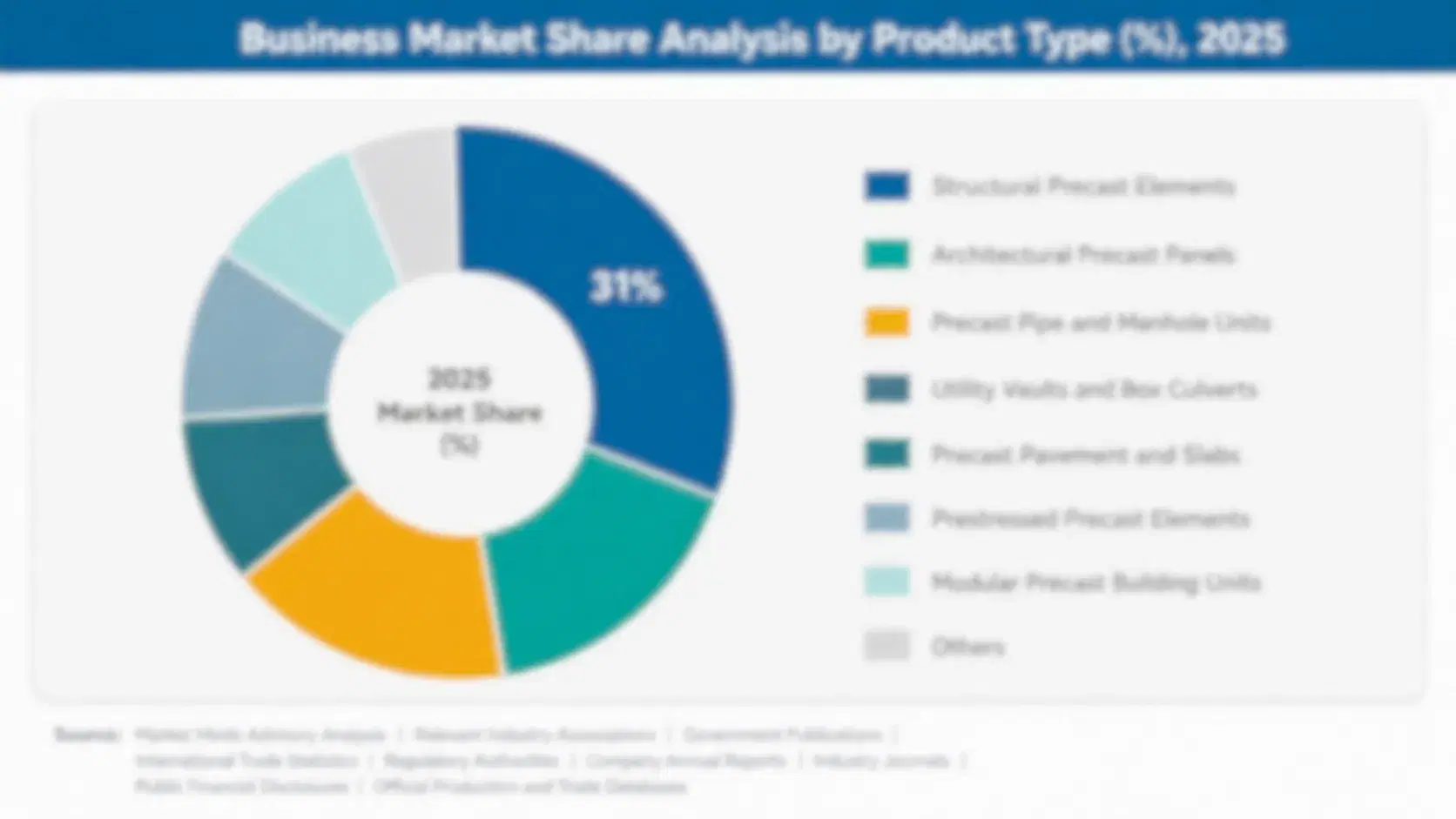
Segmentation follows material grade and product form: what is supplied, at what yttria content, and in what physical format for processing. Six categories cover the market without overlap. Restoration type, processing setting and clinical indication are treated as separate commercial dimensions throughout this report rather than as segmentation logic in their own right entirely.
zirconia-based-dental-ceramics-market-market-share-analysis-1787716016470

Multilayer and Gradient Zirconia Blanks

Discs pressed with graded yttria content grow at 12.0%, half again the market rate of 8.0%, by placing high-strength material at the margin and translucent material toward the incisal edge within a single blank, which resolves geometrically what no single composition resolves chemically. Achieving a continuous gradient rather than discrete stacked layers is the manufacturing difficulty, since any interface becomes a crack initiation site under years of cyclic loading. Nesting software must also orient the restoration correctly within the disc, and a crown milled upside down wastes both material and appearance entirely. Growth at 12.0% follows the geometry rather than any chemistry that anybody has managed to develop so far.
CAGR 12.0%

Translucent 4Y and 5Y Zirconia Blanks

Higher yttria grades grow at 9.6% by making zirconia acceptable for anterior restorations where appearance decides everything and where the material was previously confined to substructures hidden under porcelain. Bending strength falls to roughly 600 megapascals, which is adequate for single units and increasingly questioned for long-span bridgework by clinicians who have seen failures. Higher cubic content also resists low temperature degradation better than the strong grades do, which is a genuine advantage that almost nobody markets because explaining it requires explaining ageing first. Clinicians increasingly select a grade by indication rather than choosing zirconia as a single material, which is a change in how the whole category is prescribed.
CAGR 9.6%
Full segment breakdown across 6 segments available in the complete report.

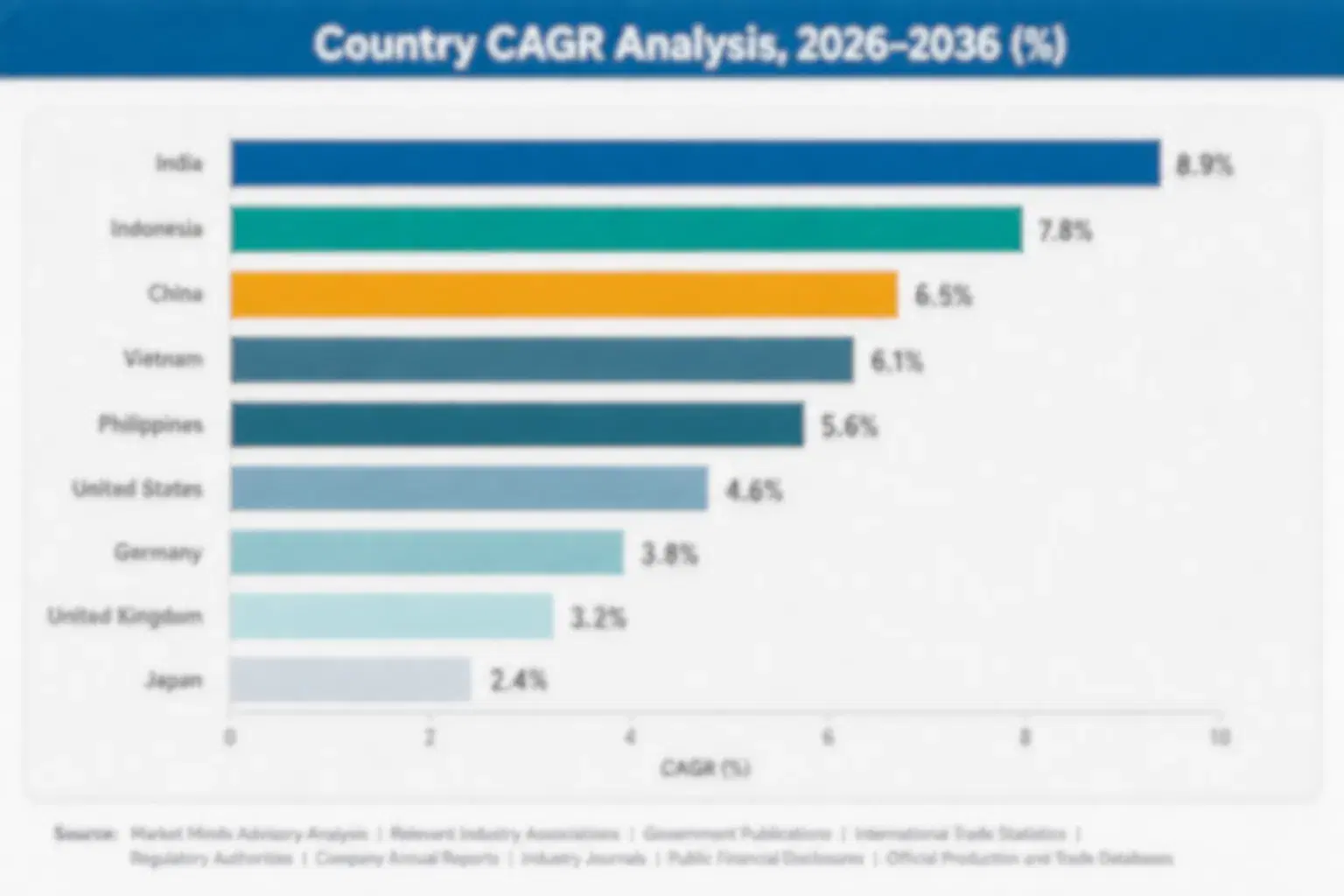
Regional Architecture and Country Demand Map

Geography follows powder supply, blank manufacturing capacity and milling volume rather than population or dental spending. East Asia leads on all three at once, and India grows fastest from a low base. Dental spending on its own predicts remarkably little about where this value actually sits.

North America

Laboratory consolidation went furthest here, with large centralised milling operations replacing thousands of small technician-owned laboratories over roughly fifteen years, which concentrated blank purchasing into a small number of very large accounts. Chairside milling in practices adds a separate and growing channel with quite different requirements. Translucent grades are adopted aggressively for anterior work. A substantial share of restorations fitted here are actually milled offshore, which is rarely visible to the patient or discussed by anybody. Chairside milling in practices requires small blocks and furnace-compatible formulation rather than the large discs a centralised laboratory buys, which makes it a genuinely separate product line rather than a smaller version of the same one.
Share: 24% | CAGR: 7.2% (2026 to 2036)

Western Europe

Master technician tradition remains stronger here than anywhere, and laboratories that survived consolidation compete on finishing, characterisation and staining skill rather than on milling throughput alone. That supports veneering and staining ceramic demand well above other regions. German manufacturers hold deep positions in blanks and furnaces built across decades of dental materials science. Regulatory documentation under European medical device rules raises the cost of market entry considerably, which slows the arrival of lower priced Asian blanks. Chairside milling adoption is growing steadily in practices, though the master technician tradition means a great deal of anterior work still returns to a laboratory for characterisation that no chairside workflow attempts to replicate.
Share: 23% | CAGR: 6.4% (2026 to 2036)
Regional intelligence for 5 additional markets available in the complete report: East Asia, South Asia and Pacific, Latin America, Middle East and Africa, Eastern Europe. Contact sales@marketmindsadvisory.com.
zirconia-based-dental-ceramics-market-country-cagr-analysis-1787716016657

Selling A Pressed Zirconia Disc

Strength runs from 1,200 megapascals down to about 600 as translucency rises, roughly 62% of powder comes from one group, sintering now takes 25 minutes and a disc yields around 14 units. Four levers work on gradient engineering, colour consistency, workflow integration and yield rather than on price, which Asian pressing capacity already settles.

Engineer Gradients Without Creating An Interface

Placing high strength at the margin and translucency at the incisal edge resolves geometrically what no single composition resolves chemically, and multilayer blanks grow at 12.0% because of it. The difficulty is producing a continuous gradient rather than stacked layers, since any discontinuity becomes a crack initiation site under years of loading. That pressing capability is genuinely hard to replicate and is the clearest technical differentiation available anywhere in this material. Most branded suppliers outsource pressing, which means most of them cannot enter this particular segment at all by themselves.
Market Impact: Wins the one segment growing at 12.0% annually

Compete On Colour Consistency, Not Composition

Roughly 62% of dental grade powder comes from one producing group, so composition differentiates very little and everybody knows it. What separates blanks in practice is shade consistency between batches, how predictably a disc takes staining, and whether the shade after sintering matches the shade on the box. Technicians remember a batch that came out wrong for years afterwards. Pressing discipline and quality control decide clinical appearance far more than any datasheet ever does. A supplier is judged on this across years rather than on any single delivery at all.
Market Impact: Differentiates beyond a 62% shared powder supply base

Formulate Explicitly For Speed Sintering Cycles

Cycles have fallen from eight hours to around 25 minutes, and rapid heating affects grain growth, translucency and strength in ways that a material designed for overnight sintering was never intended to tolerate. Blanks formulated for speed cycles rather than merely surviving them perform measurably better. Chairside practices drive this demand and laboratories running overnight furnaces do not, which makes it a channel-specific product rather than a general improvement. A laboratory running overnight furnaces has no interest whatever in this, which makes it a channel product rather than a range improvement.
Market Impact: Optimises the material for 25 minute sintering cycles

Improve Yield Through Nesting And Disc Geometry

A disc yields around 14 units and every restoration nested badly is material discarded, which matters enormously to a laboratory milling thousands of units monthly on thin margins. Disc height options, nesting software integration and orientation guidance for gradient blanks all raise usable yield directly. Suppliers who work on this reach the laboratory's actual economics rather than its purchasing department, and laboratories talk to one another about who does. A milling centre producing several thousand units monthly counts discarded material in a way a small laboratory never has to at all.
Market Impact: Raises usable yield above 14 units per disc

Who Controls the Margin Pool

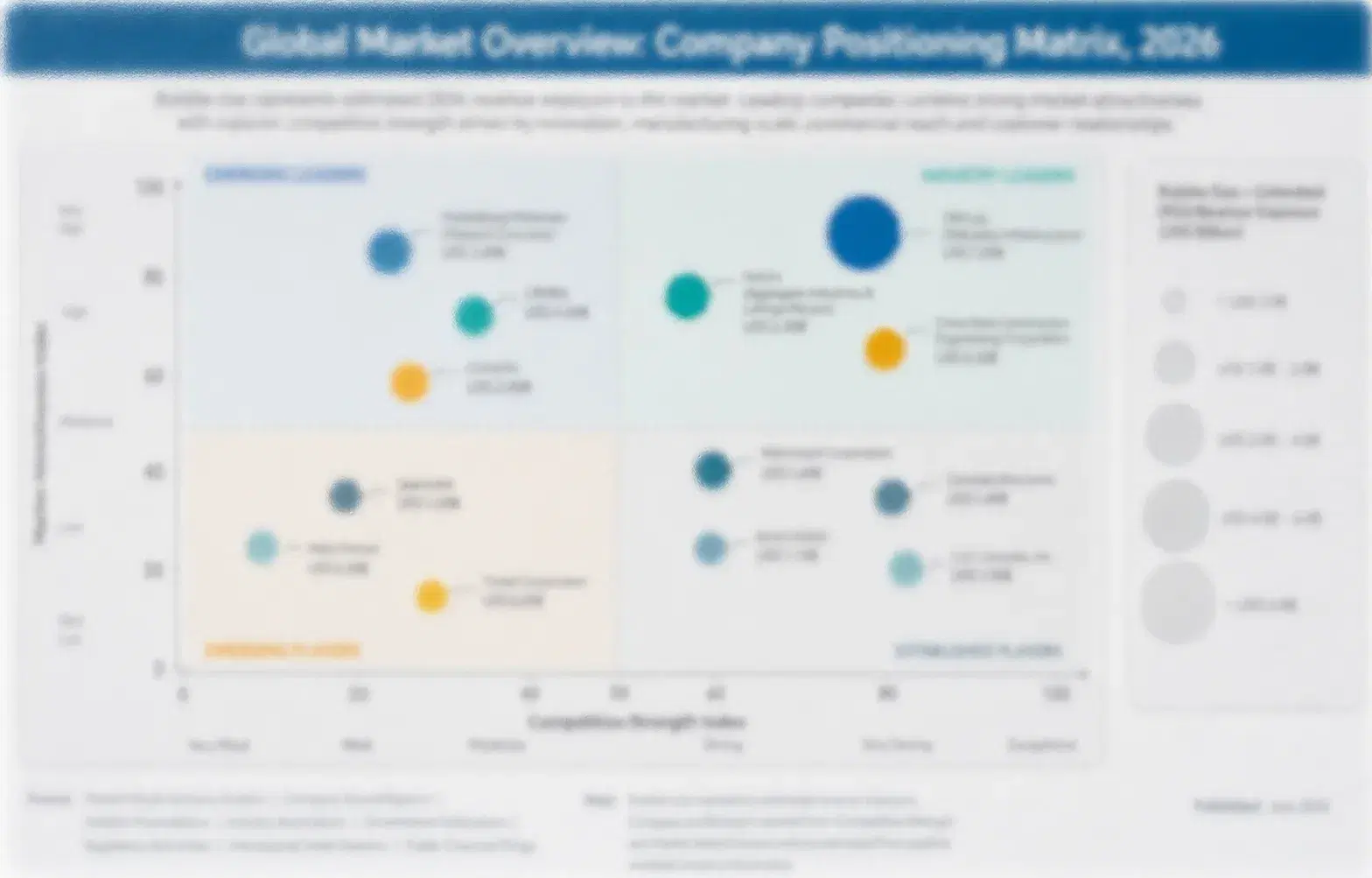
Measured on disclosed dental ceramic and zirconia material revenue, the five largest suppliers hold a CR5 of 44%, which understates how differently they compete because the group spans powder production, branded blank manufacture and full dental system supply. Ivoclar, Dentsply Sirona and VITA Zahnfabrik hold branded material positions built through laboratory relationships, Kuraray Noritake brings Japanese ceramics depth, and Tosoh supplies the powder that a great many of the others press. Nobody in the group competes on quite the same basis.
Three contests define activity. Branded blanks compete on shade consistency and technician trust rather than on composition. Chairside blocks compete on integration with specific milling and furnace systems. And commodity blanks compete purely on price, which is where Chinese and Korean manufacturers have taken substantial share. Powders compete on consistency with almost nobody able to offer it.

Pressure builds from Asian manufacturers extending into regulated Western markets as documentation burdens are met. Rankings shift toward whoever holds gradient pressing capability, since that is the one thing shared powder does not equalise. Pressing discipline and colour control are what a technician actually judges a supplier on.
zirconia-based-dental-ceramics-market-company-positioning-matrix-1787716016849

Competitive Moat and Risk Dimensions

IVOCLAR

Moat: Laboratory Relationships And System Breadth

Ivoclar reaches dental laboratories through decades of relationships spanning ceramics, furnaces, staining systems and technical education, which places its blanks inside a workflow the laboratory already trusts. Technicians work with materials they know properly. A competitor with an equivalent disc still faces a technician who knows exactly how this one behaves through sintering and staining, and no reason to relearn.
IVOCLAR

Risk: Shared Powder Limits Material Claims

Roughly 62% of dental grade powder comes from one producing group, so composition arguments carry limited weight against competitors pressing the same raw material into similar discs. Differentiation rests on colour consistency and pressing discipline rather than on anything a datasheet shows. Asian manufacturers meeting European documentation requirements compete directly on that same basis.
TOSOH

Moat: Dental Grade Powder Production Position

Tosoh produces the majority of dental grade yttria-stabilised zirconia powder used worldwide, a position built on consistency that others have found genuinely difficult to match at the purity and particle characteristics dental sintering demands. Blank manufacturers across several continents depend on it. That upstream position captures value regardless of which branded disc a laboratory eventually chooses to buy.
TOSOH

Risk: Downstream Integration By Customers

Large blank manufacturers have every incentive to qualify alternative powder sources or develop internal production, and Chinese producers are investing toward exactly that. A near-monopoly upstream position invites customers to fund escape from it. Zircon mineral feedstock supply is also concentrated in two countries, which sits upstream again and outside the company's own control.

Players Tracked

Prominent Players

Ivoclar
Dentsply Sirona
Kuraray Noritake
VITA Zahnfabrik
Tosoh

Other Key Players

Solventum
Shofu
GC Corporation
Zirkonzahn
Amann Girrbach
Aidite
Upcera
Dental Direkt
Pritidenta
Straumann
Kulzer
Argen
Glidewell
Saint-Gobain
Daiichi Kigenso Kagaku Kogyo

Recent Developments

MARCH 2025

Manufacturer launches continuous gradient blank without layer interfaces

A blank manufacturer launched a disc pressed with a continuous yttria gradient rather than discrete stacked layers, an organic product development rather than any acquisition or licensing arrangement. Interfaces between stacked layers had been identified as crack initiation sites under cyclic loading in laboratory fatigue testing.
Signal: Continuous gradient pressing is the one capability that a shared powder supply does not equalise anywhere.
JULY 2025

Asian blank manufacturer completes European regulatory documentation

An Asian zirconia blank manufacturer completed medical device documentation permitting sale across European markets, a regulatory milestone rather than any commercial partnership arrangement. Documentation cost and duration had previously slowed the arrival of lower priced blanks into those particular markets considerably up to that point.
Signal: Regulatory documentation was the only barrier holding back price competition, and it is now being cleared.
NOVEMBER 2025

Clinical review questions translucent grade use in long-span bridgework

A clinical review examined failure patterns in long-span bridgework fabricated from higher translucency zirconia grades, a professional evidence assessment rather than any regulatory or commercial action. Bending strength in those grades falls to roughly half that of the strongest opaque material available on the market.
Signal: The strength cost of translucency is becoming a clinical indication question rather than a mere preference.

Powder, Yttria And Heat

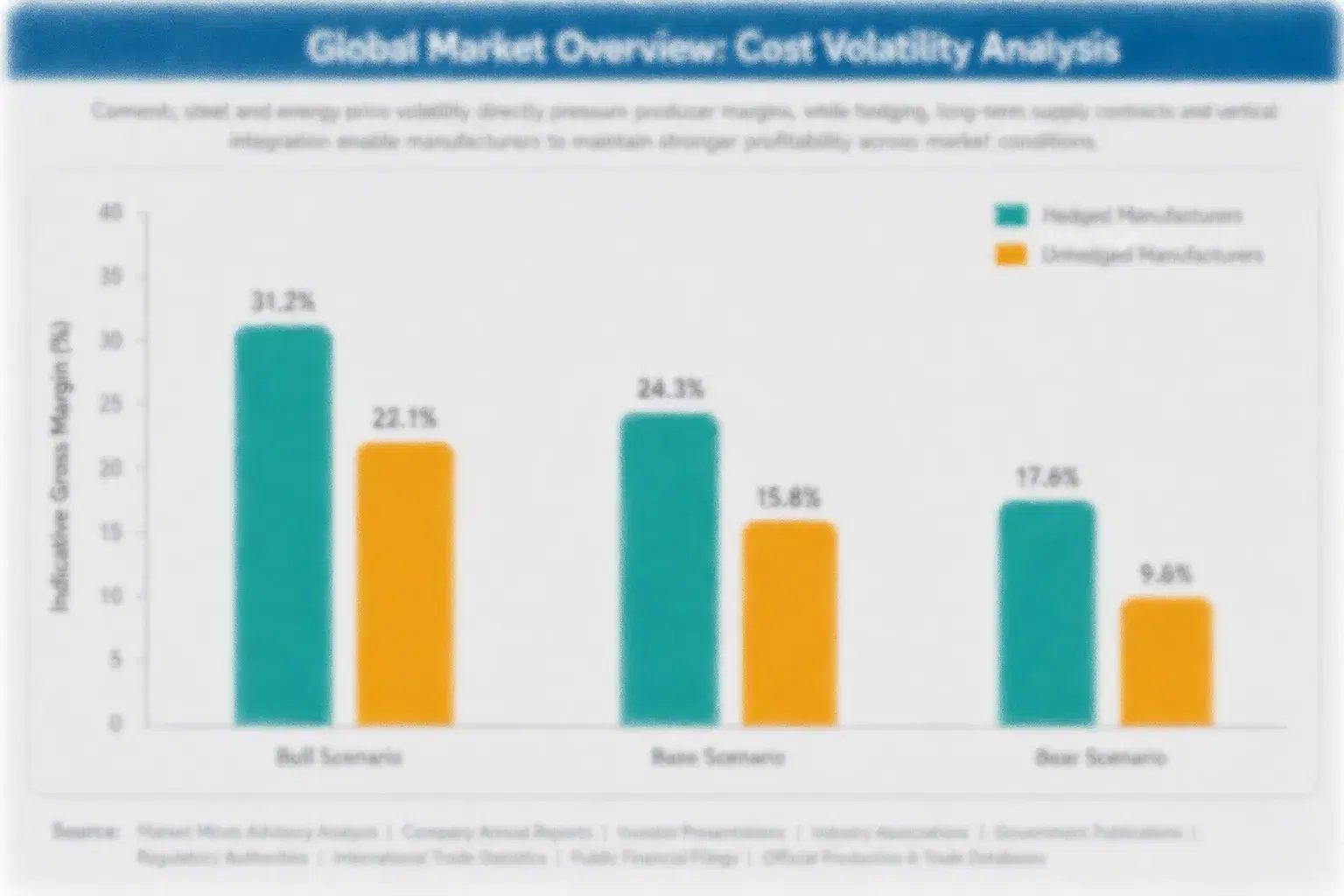
Two inputs and one utility carry the cost. Yttria-stabilised zirconia powder, yttrium oxide and colouring oxides, pressing and pre-sintering energy, and packaging together account for 46 to 58% of finished blank cost, with powder alone the largest single line by a wide margin. Powder originates upstream from zircon mineral sands mined principally in Australia and South Africa, which places two commodity layers between a blank maker and the ground.
Both layers moved. Zircon mineral sand pricing rose sharply through 2021 and 2022 as heavy mineral sands supply tightened against recovering demand, which United States Geological Survey zirconium commodity data records right across the period. European natural gas prices then rose very severely through 2022, which IEA energy price data documents, and pressing and pre-sintering are energy-intensive operations that nobody could relocate at short notice.

Exposure divides by position in the chain rather than by scale. Powder producers carry mineral feedstock exposure and pass much forward. Blank manufacturers carry powder pricing plus energy, and those operating in high energy cost regions carry considerably more of the second than Asian competitors do. Branded suppliers outsourcing pressing entirely carry neither directly and instead risk that their contract manufacturer also presses for a competitor.
zirconia-based-dental-ceramics-market-cost-volatility-analysis-1787716017038

Qualify a second dental grade powder producer

Roughly 62% of dental grade powder comes from one producing group, and matching the purity and particle characteristics dental sintering demands has defeated most who tried. Qualifying an alternative costs extensive shade, strength and sintering validation across every product in a range. It converts a dependency into a choice, which large blank manufacturers now have every incentive to fund.

Site pressing and pre-sintering in low energy regions

Pressing and pre-sintering consume substantial energy, and European gas pricing during the crisis period placed continental manufacturers at a cost disadvantage they could not remove at short notice. Relocating costs capital and regulatory requalification of manufacturing sites. It removes an exposure that has already reshaped competitive cost positions once and will very likely do so again.

Contract zircon feedstock exposure through powder supply

Zircon mineral sands are mined principally in two countries and pricing moves with heavy mineral sands supply that nobody in dentistry influences at all. Longer term powder supply agreements with pricing mechanisms cost commitment and negotiating leverage. It converts a commodity movement two layers upstream into a contracted line rather than a surprise arriving in a quarterly cost review.

Portfolio Architecture for Margin Defence

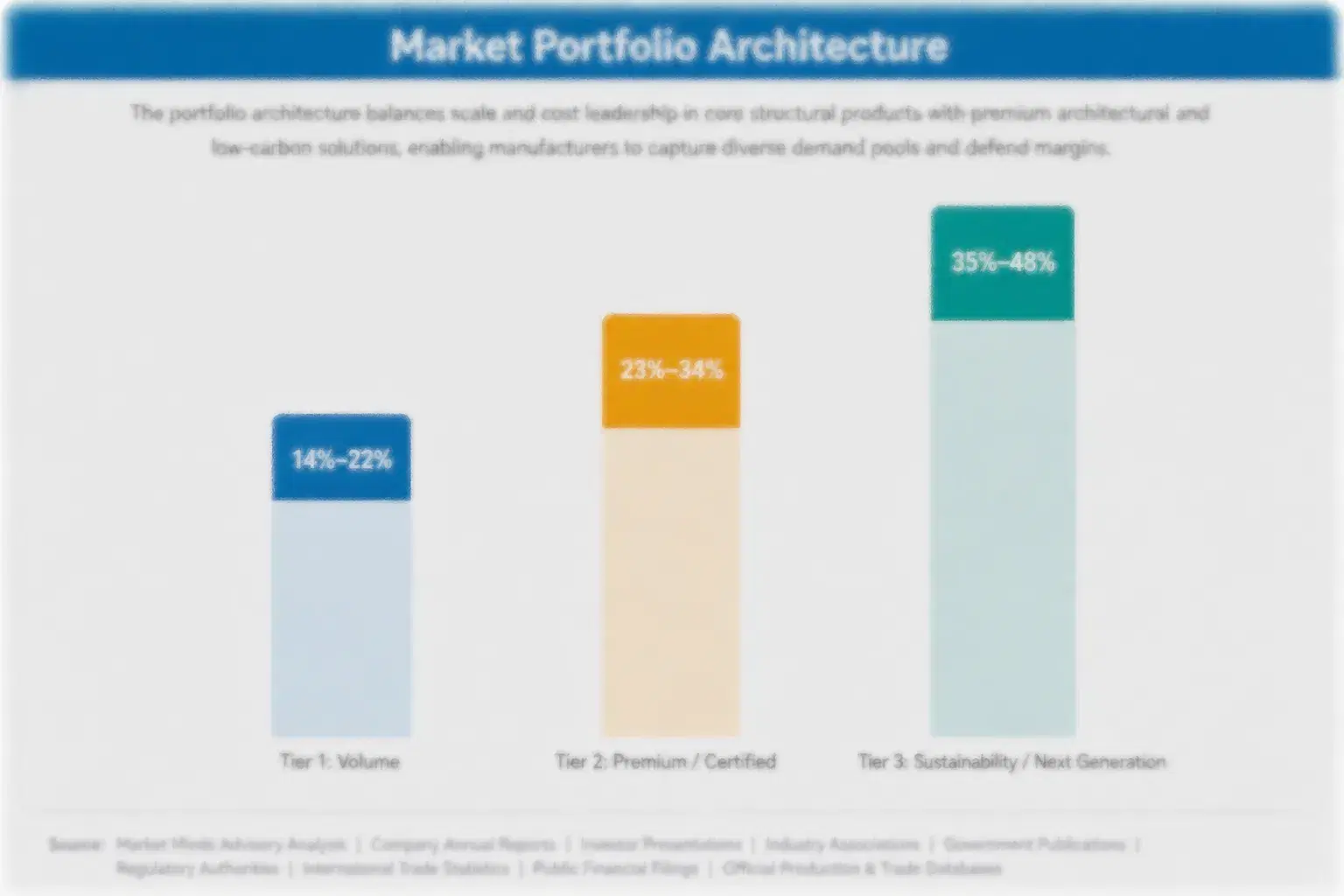
Margin follows pressing capability rather than material composition, which is the consequence of everybody sharing a powder source. Commodity blanks earn thinly against Asian manufacturers with lower energy and labour cost. Veneering and staining ceramics earn moderately in a declining application. Standard high-strength blanks earn reasonably on brand and technician familiarity. Translucent grades earn well. Multilayer gradient blanks and implant grade materials earn best, on manufacturing capability that shared powder does not equalise.
The tension is that the differentiating capability sits in pressing, which most branded suppliers outsource. A company selling blanks pressed by a contract manufacturer that also presses for competitors is differentiating on colour specification and packaging alone. Those who kept pressing internally hold the one advantage this material permits, and they are also the ones carrying the energy cost exposure that pressing brings with it in high cost regions.

High-value pools sit in three places. Continuous gradient pressing, which is genuinely difficult and which shared powder supply does not equalise at all. Implant and abutment grade materials, where regulatory and clinical requirements raise the barrier considerably. And shade system consistency, which sounds like a detail and is what technicians judge a supplier on across years.

Volume / Commodity-Adjacent

Unbranded and commodity blanks supplied to laboratories on price through distribution and direct import. The 10-point range separates manufacturers pressing in low energy cost regions from those pressing where electricity and gas cost considerably more.
Gross Margin: 26-36%

Premium / Certified

Branded high-strength and translucent blanks sold through laboratory relationships alongside staining systems and technical education. The 14-point spread reflects how differently large centralised milling accounts and small independent laboratories are priced in practice.
Gross Margin: 48-62%

Sustainability / Regulatory / Next-Generation

Multilayer gradient blanks and implant grade zirconia materials carrying manufacturing capability and regulatory documentation others lack. The 18-point range is wide because gradient pressing economics and implant material regulatory economics differ substantially within one tier.
Gross Margin: 60-78%
zirconia-based-dental-ceramics-market-portfolio-architecture-1787716017232

High-value Sub-segments and Strategic Watch-out

Continuous Gradient Blanks

Highest margin and fastest growth at 12.0%, resolving geometrically what no single composition resolves chemically anywhere in this material. The risk is that pressing capability is what differentiates, and most branded suppliers outsource exactly that step to contract manufacturers. Very few of them can change that quickly.
Gross Margin: 70-78%

Implant And Abutment Materials

Strong economics from regulatory documentation and clinical evidence requirements that raise the barrier well above ordinary restorative blanks. The risk is that clinical questions about long-term performance under load are still accumulating and could turn against the material. Time under load is the only real test.
Gross Margin: 62-72%

Branded High-Strength Blanks

The volume core, sold on technician familiarity with how a particular disc behaves through sintering, staining and finishing over years. Suppliers hold it because that familiarity anchors the whole laboratory relationship through which everything else is sold. Familiarity here is worth more than any specification.
Gross Margin: 48-58%

Shared Powder Commoditisation

The strategic watch-out. Roughly 62% of powder comes from one group, so composition arguments carry little weight against competitors pressing identical material. The risk is a branded position defending a premium on differences a laboratory cannot actually measure. Laboratories can measure shade and nothing else.
Gross Margin: 26-34%

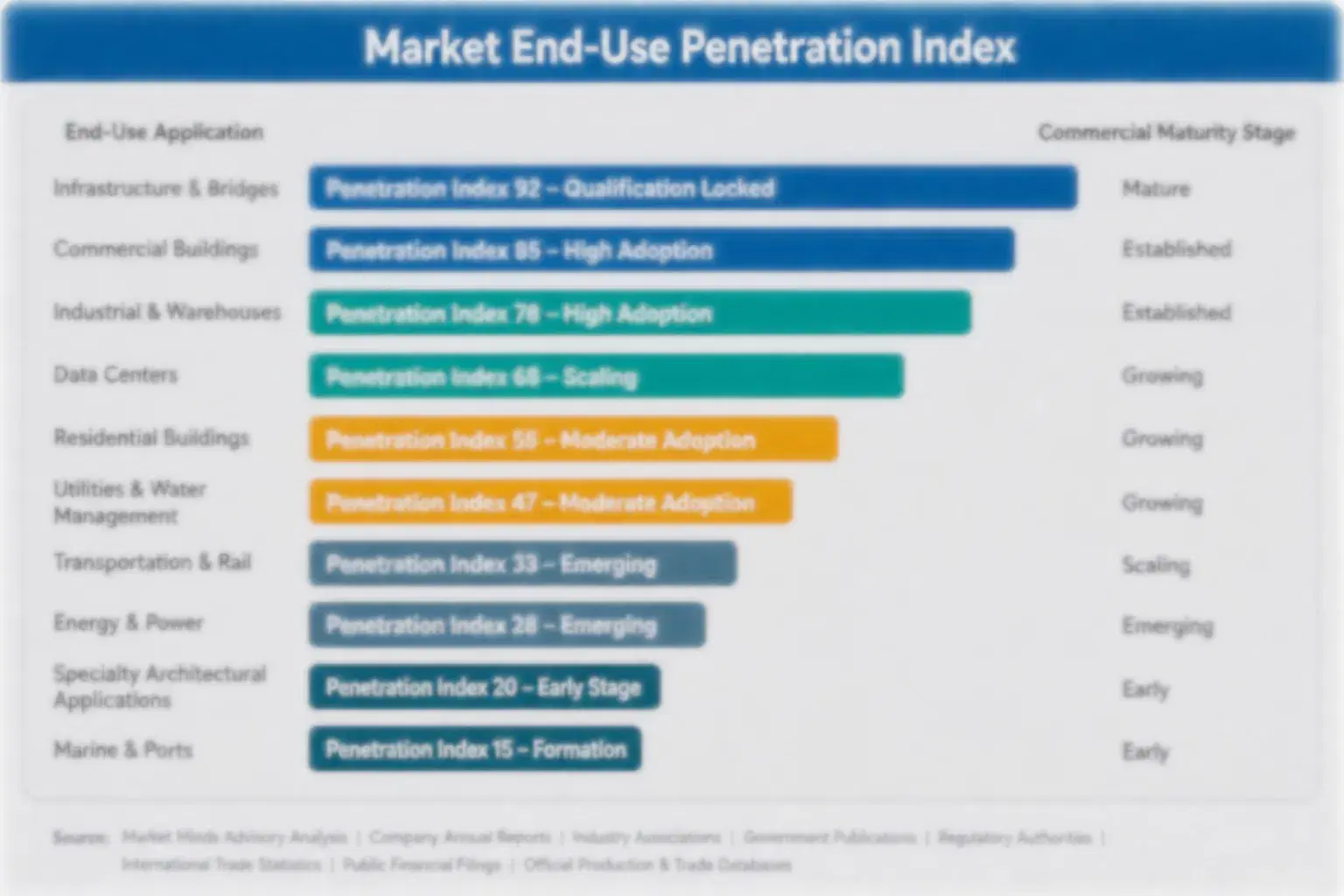
Discs Consumed By Volume

A laboratory consumes blanks continuously in proportion to units milled, which makes demand a direct function of restoration volume with no installed base and no replacement cycle anywhere in it. A milling centre producing a thousand units monthly consumes discs at a predictable rate indefinitely. That produces excellent revenue quality and it also means there is no equipment anchor holding the account, since the furnace and the mill were bought from somebody else entirely.
Stickiness therefore rests on technician familiarity rather than on anything contractual. Somebody who knows exactly how a particular disc shrinks through sintering, how it takes stain and what shade emerges keeps ordering it, because relearning that on a new material costs remakes nobody wants to explain to a dentist. Large centralised milling operations are less sticky, retendering on price across volumes that make small differences matter enormously.

The buyer consolidated dramatically and is still consolidating. Thousands of small technician-owned laboratories once each bought a few discs, and milling collapsed that into a much smaller number of large operations buying in volume with corresponding negotiating position. Chairside practices are the new fragmented buyer, purchasing small blocks and caring about furnace compatibility rather than what a laboratory weighs.
zirconia-based-dental-ceramics-market-end-use-penetration-index-1787716017417

Pressing Is The Difference

These are among the four positions where our research anticipates prominent divergence between winners and laggards over the coming forecast period. Each is grounded in the demand model, the regulatory perimeter, and the announced capacity pipeline.
01 / GRADIENT PRESSING CAPABILITY

Geometry solves what chemistry cannot

Placing high-strength material at the margin and translucent material toward the incisal edge resolves geometrically what no single yttria composition has ever resolved chemically, and gradient blanks now grow at 12.0% because of exactly that. The difficulty lies in producing a continuous gradient rather than discrete stacked layers, since any interface at all becomes a crack initiation site under years of cyclic loading in a mouth. That pressing capability is genuinely difficult for anybody at all to replicate quickly anywhere.
02 / SHADE CONSISTENCY DISCIPLINE

Technicians remember every bad batch

Roughly 62% of all dental grade zirconia powder comes from a single producing group, so composition differentiates very little between competing blanks, and every technician in the trade already knows it perfectly well. What actually separates one from another is shade consistency between batches, predictable staining behaviour and whether the sintered result matches the shade printed on the box at all. A batch that came out wrong is remembered for years afterwards and costs that supplier the whole account eventually.
03 / SPEED CYCLE FORMULATION

Design for the furnace people actually own

Sintering cycles have now collapsed from eight hours to around 25 minutes on speed furnaces, and rapid heating affects grain growth, translucency and strength in ways that a material designed for overnight cycles was never meant to tolerate at all. Blanks that are formulated deliberately for speed sintering rather than merely surviving it do perform measurably better in ordinary practice. Chairside practices drive all of that demand, while laboratories still running overnight furnaces simply do not care about it at all.
04 / YIELD AND NESTING ECONOMICS

Fourteen units, and every one counts

A single disc yields around 14 units and every single restoration nested badly is material simply discarded, which matters enormously to a milling operation producing thousands of units each month on genuinely thin margins. Disc height options, nesting software integration work and clear orientation guidance for gradient blanks all raise usable yield both directly and immediately. Suppliers who work on this reach a laboratory's actual economics rather than its purchasing department, and laboratories talk to one another about it constantly.

Engagement Snapshot From the Field

A live engagement with an industry participant carrying material or product regulatory and market exposure ahead of a defining policy shift, showing how our research translates into a defensible multi-year portfolio strategy.
MARKET MINDS ADVISORY · CLIENT ENGAGEMENT SUMMARY
Zirconia-Based Dental Ceramics Producer Strategic Portfolio Review and Transition Roadmap 2026·Investment Scenario on Zirconia-Based Dental Ceramics Exposure Evaluation 2025-26
CLIENT PROFILE
A dental materials manufacturer supplying branded zirconia blanks across European and Asian markets, with reported ceramic material revenue of 84 million dollars (client-reported, unverified by MMA). Roughly 69% came from standard high-strength and translucent grades. All pressing was outsourced to a contract manufacturer that also pressed for two direct competitors at that particular point in time.
STRATEGIC CHALLENGE
Blank pricing had fallen for three consecutive years as Asian manufacturers completed European documentation and entered on price, while the company's own multilayer offering was a stacked-layer product its contract manufacturer also supplied elsewhere. Management was preparing a price reduction. That competed against manufacturers with materially lower energy and labour cost on a product nobody could tell apart.
MMA APPROACH
MMA analysed margin and volume by grade against pressing arrangements and shade complaint records, a reconciliation the company had never assembled from its own data. Twenty-two expert interviews with laboratory owners, master technicians, chairside dentists and distributors established what actually drives blank selection and blank abandonment. The analysis treated pressing capability and shade consistency rather than pricing as the routes available.
KEY FINDINGS
  1. Technicians interviewed identified shade consistency and predictable sintering shrinkage as the reasons they stayed with or abandoned a blank, and price came a considerable distance behind both.
  2. The contract manufacturer pressing the company's discs also pressed visually and mechanically similar products for two direct competitors in the same markets.
  3. Continuous gradient pressing was available from nobody the company could contract, which meant entering that segment required manufacturing capability rather than a supply agreement.
  4. Shade complaint records existed but had never been analysed by batch or by pressing run, and the pattern that emerged pointed clearly at a single production period.
CLIENT PROFILE
A dental materials manufacturer supplying branded zirconia blanks across European and Asian markets, with reported ceramic material revenue of 84 million dollars (client-reported, unverified by MMA). Roughly 69% came from standard high-strength and translucent grades. All pressing was outsourced to a contract manufacturer that also pressed for two direct competitors at that particular point in time.
STRATEGIC CHALLENGE
Blank pricing had fallen for three consecutive years as Asian manufacturers completed European documentation and entered on price, while the company's own multilayer offering was a stacked-layer product its contract manufacturer also supplied elsewhere. Management was preparing a price reduction. That competed against manufacturers with materially lower energy and labour cost on a product nobody could tell apart.
MMA APPROACH
MMA analysed margin and volume by grade against pressing arrangements and shade complaint records, a reconciliation the company had never assembled from its own data. Twenty-two expert interviews with laboratory owners, master technicians, chairside dentists and distributors established what actually drives blank selection and blank abandonment. The analysis treated pressing capability and shade consistency rather than pricing as the routes available.
KEY FINDINGS
  1. Technicians interviewed identified shade consistency and predictable sintering shrinkage as the reasons they stayed with or abandoned a blank, and price came a considerable distance behind both.
  2. The contract manufacturer pressing the company's discs also pressed visually and mechanically similar products for two direct competitors in the same markets.
  3. Continuous gradient pressing was available from nobody the company could contract, which meant entering that segment required manufacturing capability rather than a supply agreement.
  4. Shade complaint records existed but had never been analysed by batch or by pressing run, and the pattern that emerged pointed clearly at a single production period.
RECOMMENDED STRATEGY
Phase 1: Phase one: analyse shade complaints by batch and impose specification on the contract manufacturer, since consistency rather than price retains technicians. Phase 2: Phase two: acquire or build continuous gradient pressing capability, entering the only segment that shared powder supply does not commoditise. Phase 3: Phase three: abandon competition on standard grade pricing against manufacturers with permanently lower energy and labour costs than they do.
OUTCOME
Batch analysis identified a pressing run behind a disproportionate share of complaints and specification changes followed within two quarters. A gradient pressing capability acquisition was agreed during the period (client-reported, unverified by MMA). Standard grade volume declined as planned while margin improved. Technicians surveyed afterwards rated shade consistency as noticeably better, which management had not expected to move so quickly.

Frequently Asked Questions

Foundational context covering the market sizes, CAGR, scope, country, region and competition that inform every finding below. This section is provided to cover basics and most often pre-purchase conversations, answered from the MMA Primary Research Dataset.

What is the current size of the Zirconia-Based Dental Ceramics Market?

The market was worth 1.9 billion dollars in 2025, covering high-strength blanks, translucent grades, multilayer discs, implant materials, veneering ceramics and powders. It reaches 2.05 billion dollars in 2026.

How large will the Zirconia-Based Dental Ceramics Market be by 2036?

MMA forecasts 4.43 billion dollars by 2036, an increase of 2.38 billion dollars over the 2026 base. That represents an expansion multiple of 2.16 times across the forecast period.

What is the CAGR for the Zirconia-Based Dental Ceramics Market 2026 to 2036?

The base case compounds at 8.0% annually. The bull case reaches 9.2% if speed sintering reaches quality parity, while the bear case sits at 6.8% on continued blank price compression.

Which segment is growing fastest?

Multilayer and gradient zirconia blanks, at 12.0%, half again the market rate of 8.0%. They place strength and translucency in different parts of the same disc.

Who are the major companies in the Zirconia-Based Dental Ceramics Market?

Ivoclar, Dentsply Sirona, Kuraray Noritake, VITA Zahnfabrik and Tosoh lead on disclosed dental ceramic and zirconia material revenue. Aidite, Upcera and Zirkonzahn hold notable positions.

Which country is growing fastest?

India at 10.0%, as milling capacity and trained technicians reach tier two and tier three cities. Domestic and Chinese blanks carry almost all of that growing volume.

Report Segmentation Architecture

The full report scope spans multiple orthogonal segmentation dimensions, with cross-tabulated demand data provided for each dimension pair. Coverage extends further to regional breakdowns, trend trajectories, and the competitive detail needed to support segment-level decision-making.

By Material Grade

  • High-Strength 3Y Zirconia Blanks
  • Translucent 4Y and 5Y Zirconia Blanks
  • Multilayer and Gradient Zirconia Blanks
  • Zirconia Implant and Abutment Materials
  • Veneering and Staining Ceramics
  • Zirconia Powders and Feedstock

By End-Use Industry

  • Centralised Milling Laboratories
  • Independent Dental Laboratories
  • Chairside Practice Milling
  • Dental Implant Manufacturers
  • Dental Education and Training
  • Dental Tourism Clinics and Laboratories

By Commercial Dimension

  • Branded Laboratory Supply
  • Commodity and Import Supply
  • System-Integrated Chairside Blocks
  • Contract Pressing and Private Label
  • Distributor and Dealer Channels
  • Direct Milling Centre Contracts

By Region

  • North America
  • Western Europe
  • East Asia
  • South Asia and Pacific
  • Latin America
  • Middle East and Africa
  • Eastern Europe

Scope, Methodology, and Coverage

Every figure in this report is reproducible from documented input assumptions. The scope below maps the historical period, the forecast horizon, the segmentation dimensions, and the countries covered, alongside the underlying primary and qualitative methodology.
Historical Period
2020 to 2025
Forecast Period
2026 to 2036
Base Year
2025 (USD billions; MMA Primary Research Dataset, August 2026)
Market Definition
Scope covers zirconia and zirconia-based ceramic materials supplied for dental restorative, prosthetic and implant applications, spanning high-strength 3Y zirconia blanks, translucent 4Y and 5Y zirconia blanks, multilayer and gradient zirconia blanks, zirconia implant and abutment materials, veneering and staining ceramics applied to zirconia substructures, and zirconia powders and feedstock supplied to blank manufacturers. Milling machines, sintering furnaces, scanners and design software, lithium disilicate feldspathic and other non-zirconia dental ceramics, metal alloys composites and denture materials, dental laboratory fabrication sold as a service, dental implants sold as finished devices, and industrial or orthopaedic zirconia applications are excluded from the market size and all derived figures.
Quantitative Units
USD billions (current prices); blanks shipped; units milled per disc; flexural strength in megapascals; sintering cycle time
Segmentation Dimensions
By Material Grade; By End-Use Industry; By Commercial Dimension; By Region
Regions Covered
North America, Western Europe, East Asia, South Asia and Pacific, Latin America, Middle East and Africa, Eastern Europe
Countries Covered
China, Japan, USA, Germany, South Korea, India, Italy, Brazil, UK, France, Turkey, Poland, Mexico, Australia, Hungary
Key Companies Profiled
Ivoclar, Dentsply Sirona, Kuraray Noritake, VITA Zahnfabrik, Tosoh, Solventum, Shofu, GC Corporation, Zirkonzahn, Amann Girrbach, Aidite, Upcera, Dental Direkt, Pritidenta, Straumann, Kulzer, Argen, Glidewell, Saint-Gobain, Daiichi Kigenso Kagaku Kogyo
Quantitative Methodology
Primary survey, n=3,800 respondents, Q4 2025, six countries; demand-side model with trade association cross-validation
Qualitative Methodology
47 expert interviews, Q4 2025; applied to validate demand model assumptions, identify emerging dynamics, and assess competitive positioning
Report Format
PDF and XLSX data workbook (Word format preview document)
Publisher
Market Minds Advisory
Report Code
MMA-2026-MED-154
Published
August 2026
Contact
sales@marketmindsadvisory.com | www.marketmindsadvisory.com

Purchase the full Zirconia-Based Dental Ceramics Market Report (2026 to 2036).

The full report runs to 160 pages and covers all six material grade segments, seven regions and 20 profiled suppliers in detail. It includes the complete segment CAGR set, regional laboratory consolidation and milling capacity comparison, and strength against translucency analysis mapped across yttria content. Company profiles carry evaluation on disclosed dental ceramic and zirconia material revenue, with moat and risk assessment for the top five suppliers. The competitive section extends to 13 tracked product, regulatory and clinical developments across 2024 and 2025. Primary research inputs include a quantitative survey of 3,800 respondents and 47 expert interviews conducted in Q4 2025.
Six material grade segments with individual CAGR forecasts
Seven regional markets with milling capacity and consolidation comparison
Twenty supplier profiles on consistent revenue evaluation basis
Thirteen tracked product and clinical developments with commercial interpretation
Strength against translucency mapped across the yttria content range
Powder supply concentration assessed as a differentiation constraint

Built For The People Who Decide

From boardroom strategy to bench-side execution, this report is read cover-to-cover by leaders shaping the next decade of their industry, turning demand scenarios, market dynamics and valuation benchmarks into decisions.
CXOs/ Presidents/ VPs/ Managers
M&A and Corporate Development
Strategy Teams and R&D Heads
Procurement and Product Directors
Regulatory and Compliance Leaders
Investor Relations and Equity Analysts