
Market Minds Advisory
X-Ray Positioning Devices Market

X-Ray Positioning Devices Market: X-Ray Positioning Devices Market: Cheap Foam, Expensive Repeats

Positioning error causes roughly 48% of repeat radiographs, and the accessories that prevent it cost about 0.4% of the imaging system whose usable output they quietly determine every single day.

Lead Analyst

Published

August 2026

Make Smarter Decisions with Customized Research Insights

Request a free sample report and evaluate market opportunities, growth trends, and competitive dynamics relevant to your business needs.

2025 MARKET VALUE$0.5BMarket Size 2025
2036 FORECAST VALUE$1.0BBase Case , 2026 to 2036
CAGR 2026 TO 20366.6 %Bull 7.8% / Bear 5.4%
INCREMENTAL OPPORTUNITY$0.5BNet 10- year value creation
EXPANSION MULTIPLE1.91x2036 value over 2026 base
Strategic Levers
M&A Pipeline
Regional Outlook
Country Rankings
Competitive Intelligence
Segmental Deep-dive
Call-Us : 91 93563 13602

Executive Snapshot and Market Trajectory.

A few hundred dollars of foam decides whether a million dollar imaging system produces a usable image first time. Around 6% of radiographs are repeated, positioning error causes roughly 48% of those, and each repeat is a second dose nobody wanted to give.
North America takes 28% of value on accessory purchasing discipline and pricing, with East Asia close behind at 27% on procedure volume no other region approaches. Laser alignment and guidance systems grow at 9.9%, half again the market rate of 6.6%, because they attack positioning error directly rather than merely supporting a patient once somebody has already positioned them. Foam and fabric products carry most units and least value across the whole category.
Concentration is only 29%, the lowest in medical imaging, because these products are foam, fabric and moulded plastic that anybody can make. Infection control changed the category more than any clinical argument did: an uncovered porous sponge cannot be disinfected, which quietly obsoleted a whole generation of them. Replacement cycles shortened to around 14 months as a result, which was a windfall the industry neither created nor can repeat.
Market Definition
The market covers accessories used to position and immobilise patients and image receptors for diagnostic radiography, spanning radiolucent positioning sponges and pads, immobilisation devices and straps, paediatric positioning systems, detector and cassette holders, patient positioning tables stands and chairs, and laser alignment and positioning guidance systems. Radiotherapy immobilisation and patient fixation systems, imaging equipment and detectors themselves, radiation protection aprons and shielding, contrast injection accessories, and general patient handling equipment are excluded from scope.
Base Year Value
$0.5B in 2025 (MMA Primary Research Dataset, August 2026)
Forecast Period
2026 to 2036, eleven discrete annual values
CAGR
6.6% base case. Bull 7.8%. Bear 5.4%.
Fastest Growth Segment
Laser Alignment and Positioning Guidance Systems: 9.9% CAGR
Fastest Growth Country
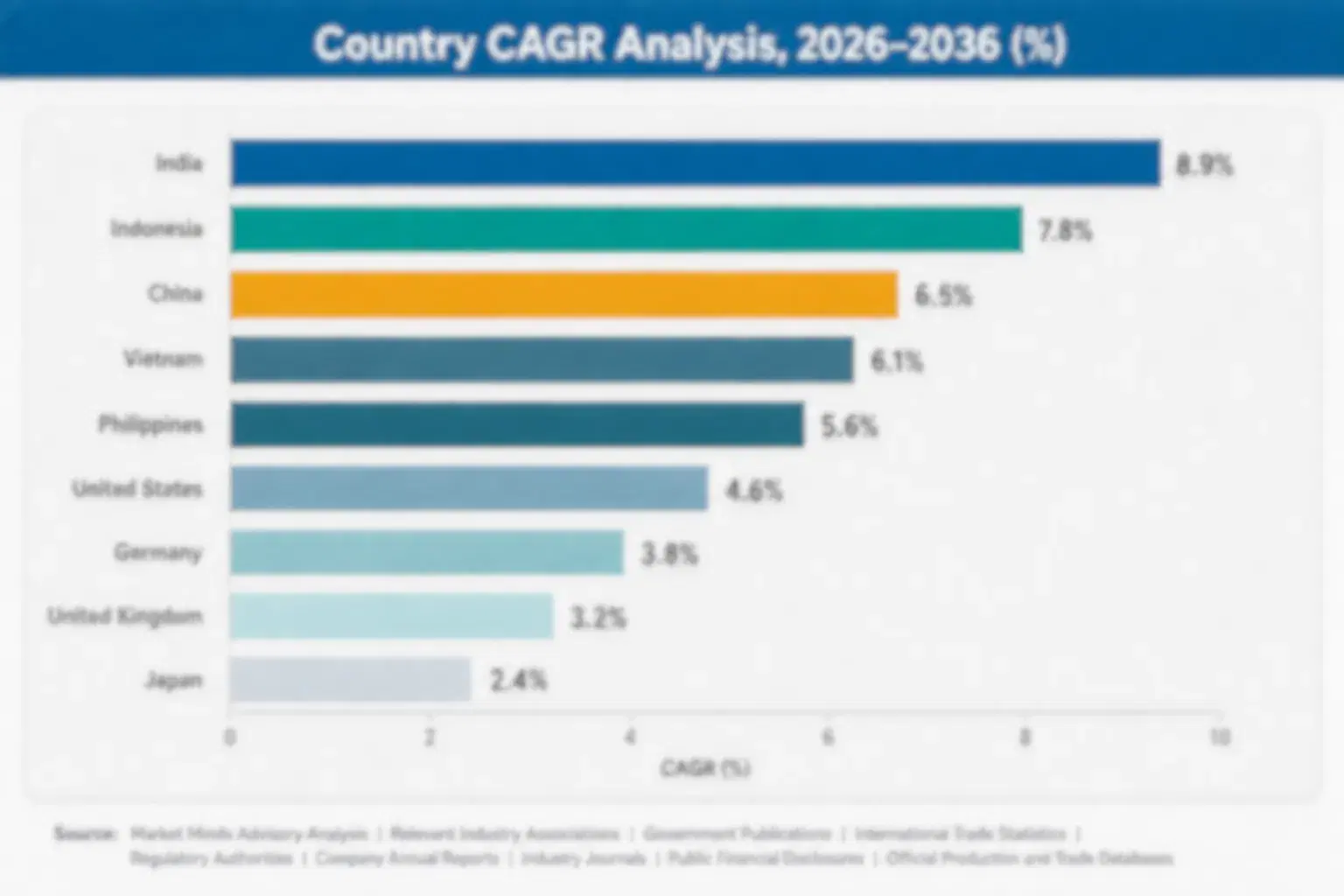
India: 8.6% CAGR
Fastest Growth Region
South Asia and Pacific: 8.8% CAGR
Largest Region
North America: 28% of 2025 global value
Market Leaders
AliMed, Techno-Aide, Supertech X-Ray, Wolf X-Ray, Z&Z Medical. Source: MMA Analysis based on disclosed radiography accessory and positioning product revenue, company annual reports 2025.
Primary Survey
n=3,800 procurement and R&D decision-makers, Q4 2025, six countries
Methodology
Demand-side build-up, cross-validated against public data, 47 expert interviews

X-Ray Positioning Devices Market Forecast Scenarios

x-ray-positioning-devices-market-size-forecast-scenario-1787716013658
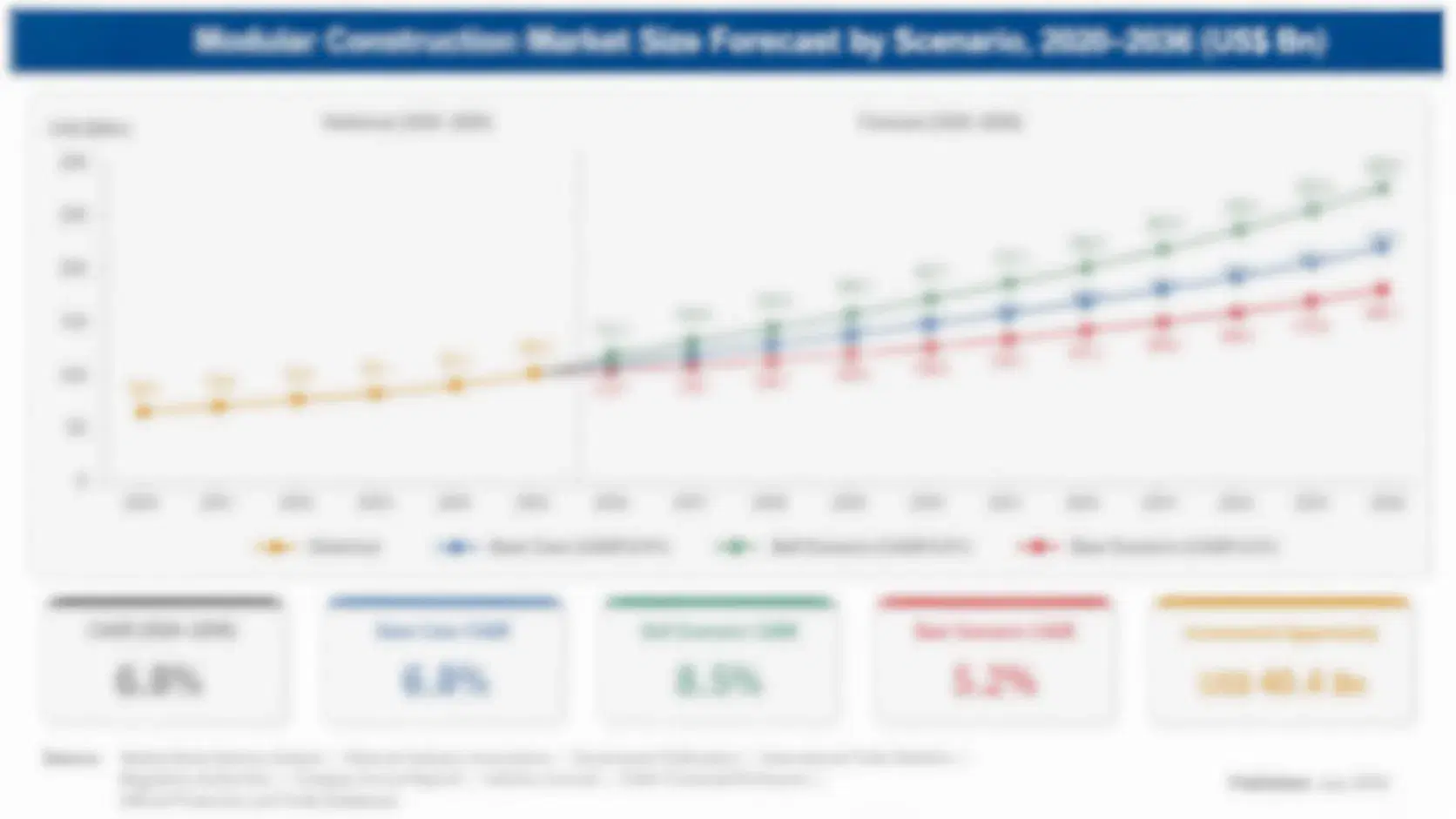
Growth from 2020 to 2025 ran at 5.4% and infection control drove most of it. Uncovered foam positioning sponges cannot be disinfected between patients, and cleaning protocols tightened everywhere at once, which obsoleted an enormous installed stock of porous foam and replaced it with sealed, coated and wipeable products at higher prices. That was a replacement cycle nobody planned and it will not repeat, having largely worked its way through.
The 6.6% base case rests on three mechanisms. Laser alignment and guidance systems keep growing as departments start measuring repeat rates and tracing them to positioning. Digital detector holders keep replacing cassette-era accessories, since free detectors are heavier and more expensive to drop than film cassettes ever were. And Asian radiography volume keeps rising as imaging capacity extends well beyond tertiary hospitals. None of the three needs a new material.
The bull case at 7.8% assumes dose reduction reporting requirements spread, since a department publishing its repeat rate finds positioning accessories very easy to justify afterwards. The bear case at 5.4% is accessories continuing to be bought as an afterthought on capital purchase orders, at 0.4% of system price, by whoever happens to remember them at the time.

Foam Against Repeat Exposures

The arithmetic here is startling once written down. A radiography room costs several hundred thousand dollars, the accessories in it cost a few hundred, and around 48% of repeats trace to positioning. Repeats run near 6% of all radiographs. Each delivers a second dose, occupies a second slot and produces no additional information. Nobody buys these products with that arithmetic in front of them.
FIVE-FIRM CONCENTRATION29%Share of category revenue held by the largest accessory suppliers
REPEAT EXPOSURE RATE6%Radiographs repeated because the first attempt actually failed
POSITIONING ERROR SHARE48%Repeat exposures caused by patient or receptor positioning
ACCESSORY COST SHARE0.4%Positioning kit as a fraction of system purchase price
SPONGE REPLACEMENT CYCLE14 monthsInterval before a positioning sponge is taken out of service
PAEDIATRIC IMMOBILISATION SHARE11%Examinations requiring a device rather than a person holding
Radiolucency is the specification that makes this harder than it looks. A positioning device sits in the beam and must not appear in the image, which rules out metal fasteners, dense adhesives, edge-forming seams and inconsistent foam density. A sponge producing an artefact over a lung field has caused the repeat it was bought to prevent. That is why these are engineered products rather than commodity cushions.
Infection control reshaped the category faster than any clinical argument ever did. Porous open-cell foam cannot be disinfected between patients in any defensible way, and once cleaning protocols tightened, an enormous stock became unusable rather than merely worn. Sealed, coated and wipeable products replaced them at higher prices, and replacement cycles shortened to around 14 months. That was a windfall the industry did not create and cannot repeat.
"Somebody signs off half a million for the room and forgets the sponges. Then the department wonders why its repeat rate will not come down, and nobody connects the two facts because they sat on different purchase orders."
Director, Medical Imaging Accessories Practice · MMA Medical Imaging Accessories Practice · August 2026

Market Trends

Laser Guidance Attacks Positioning Error At Source

Alignment lasers, patient positioning guidance and automated centring systems grow at 9.9% because they address the cause of roughly 48% of repeats rather than supporting a patient after somebody has already decided where to place them. Departments that began measuring repeat rates found the connection quickly. Adoption follows measurement rather than clinical persuasion, which is why the segment grows fastest wherever dose and reject reporting has become routine practice. Nothing else in this category attacks the cause rather than merely helping with the consequence of it all afterwards at all.
Market Impact: Addresses a 6% repeat rate
Digital Detectors Made Old Accessories Obsolete

Free digital detectors are heavier, thicker and vastly more expensive to drop than film cassettes were, which made cassette-era holders and trays unusable and created a replacement requirement across every installed room. Growth in holders follows detector replacement cycles directly. Protecting a detector worth tens of thousands of dollars is an easier purchase to justify than a positioning sponge, and suppliers have learned to lead with that argument instead. A holder that fits one detector generation becomes stock nobody wants once the next arrives, which makes model coverage the real commercial problem.
Market Impact: Grows India fastest at 8.6%

Market Opportunities and Growth Drivers

Repeat Rates Become A Reported Quality Measure

Departments increasingly track reject and repeat analysis as a routine quality indicator, and once the figure is written down the link to positioning becomes obvious to everybody looking at it. Roughly 6% of radiographs are repeated and positioning error accounts for around 48% of those. Accessories that were previously an afterthought become straightforward to justify against a measured number, which is a commercial shift entirely driven by measurement rather than by product improvement. Nothing about the products changed; departments simply started counting what had already been happening there all along.
Market Impact: Represents 0.4% of system cost

Asian Radiography Capacity Extends Beyond Tertiary Hospitals

Imaging capacity across Chinese and Indian secondary hospitals and district facilities is expanding faster than anywhere, and India grows fastest of any country at 8.6% as radiography rooms are commissioned in places that previously had none. Accessory purchasing professionalises more slowly than equipment purchasing does, so improvised supports persist alongside new equipment for years. Domestic manufacturers supply most of the accessory volume at prices international suppliers rarely attempt to match. Sandbags, folded linen and other improvised supports persist alongside brand new equipment for many years afterwards in ordinary practice there.
Market Impact: Holds concentration at just 29%

Market Restraints and Challenges

Accessories Sit At Nought Point Four Percent

Positioning kit costs roughly 0.4% of an imaging system purchase, which means it is specified late, by whoever remembers, on a capital order dominated by equipment. Root cause is that procurement attention follows expenditure. Commercial impact is a category bought as an afterthought despite determining whether the system produces a usable image first time. Mitigation runs through bundling accessories into equipment specification, which requires relationships with imaging manufacturers rather than with departments. Nobody delays a capital order to argue about a few hundred dollars of positioning foam and straps either.
Market Impact: Targets 48% of repeat causes

Anybody Can Make Foam And Fabric

These are moulded foam, coated fabric and plastic products with no proprietary chemistry and no meaningful barrier to entry, which is why concentration sits at just 29% and why local manufacturers appear in every market. Root cause is that the difficulty lies in radiolucency specification rather than in manufacturing capability. Commercial impact is persistent price competition. Mitigation involves imaging validation data proving a product genuinely does not appear on the image. Local manufacturers appear wherever imaging capacity expands, and they compete only on what actually appears on the invoice itself.
Market Impact: Protects detectors worth 10,000 dollars
3 additional market trends, 2 additional growth drivers, and 4 additional restraints and challenges are covered in the full report. Contact sales@marketmindsadvisory.com to access the complete intelligence.

Segment CAGR and Growth Architecture

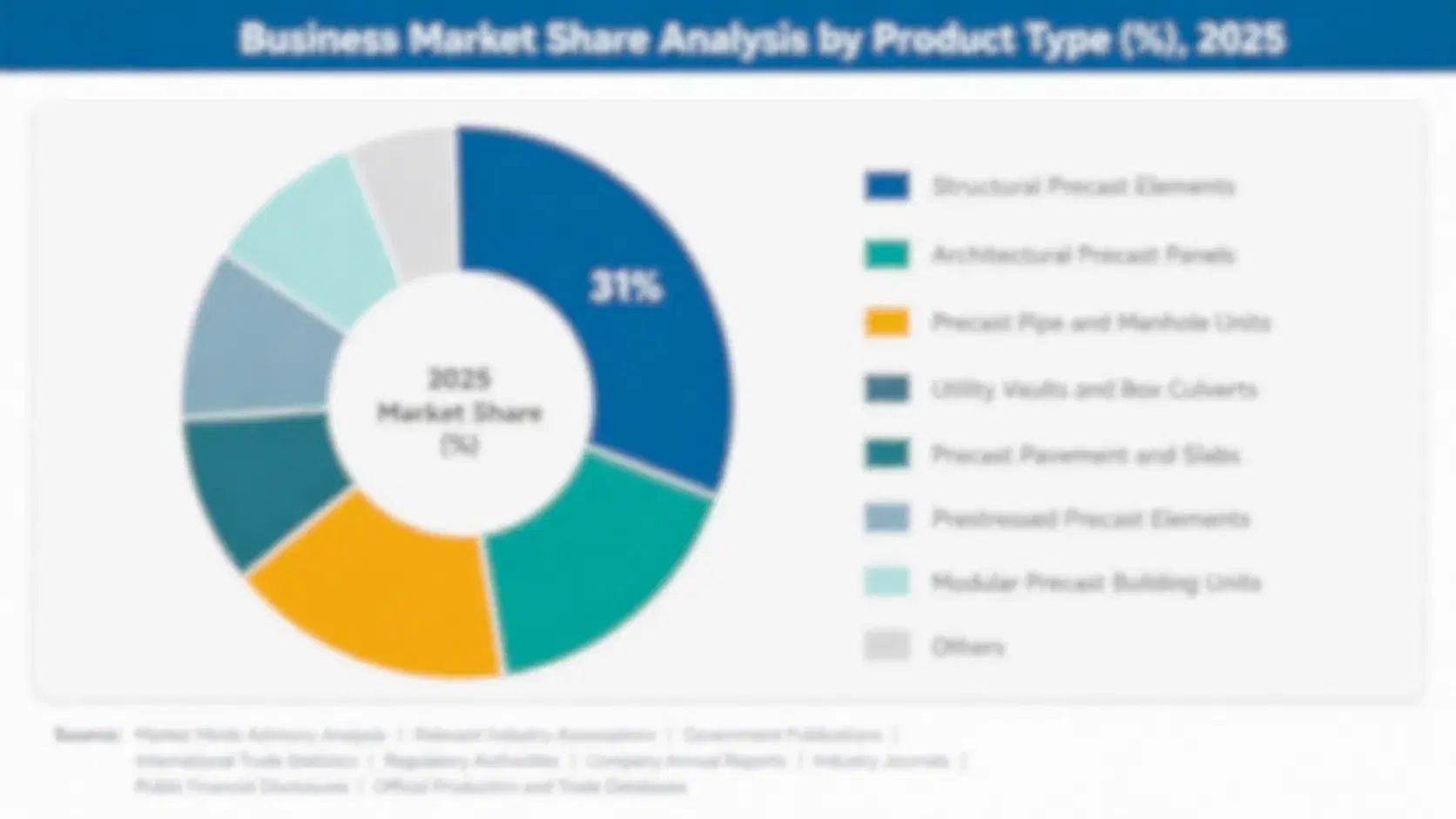
Segmentation follows device type: what the product physically is and what it holds, supports or aligns during an examination. Six categories cover the market without overlap. Examination type, patient group and care setting are treated as separate commercial dimensions throughout this report rather than as segmentation logic in their own right entirely here, since each cuts across everything.
x-ray-positioning-devices-market-market-share-analysis-1787716013847

Laser Alignment and Positioning Guidance Systems

Alignment lasers, centring aids and guidance systems grow at 9.9%, half again the market rate of 6.6%, because they address the cause of roughly 48% of repeat exposures rather than supporting a patient once positioning has already been decided. Unit prices sit far above anything else in the category, which makes them a capital rather than consumable purchase and changes who signs for them entirely. Adoption follows repeat rate measurement, so the segment grows fastest wherever reject analysis has become routine departmental practice. Departments that never measure their repeat rate see an expensive accessory, while those that do see the cheapest quality improvement available to them anywhere in the room.
CAGR 9.9%

Patient Positioning Tables, Stands and Chairs

Chest stands, positioning chairs, weight-bearing platforms and specialised tables grow at 8.4% as departments add capability for standing, seated and weight-bearing examinations that a general table cannot accommodate properly. These are durable capital items lasting many years rather than consumables, which makes the sale infrequent and the specification decision correspondingly important. Radiolucency and stability under patient weight are the engineering constraints, and a stand that flexes during an exposure produces exactly the motion artefact it was bought to eliminate. Replacement is infrequent enough that a department buying one has usually forgotten what it bought last time, which makes the specification decision unusually open to whoever happens to be present that day.
CAGR 8.4%
Full segment breakdown across 6 segments available in the complete report.

Regional Architecture and Country Demand Map

Geography follows accessory purchasing discipline as much as procedure volume, since improvised supports substitute for products across much of the world. North America leads on value, East Asia on examinations performed. Examination counts on their own predict remarkably little about where the value actually sits.

North America

Accessory purchasing is more disciplined here than anywhere, with radiology departments specifying positioning kit properly rather than improvising, and accreditation requirements reinforcing that considerably. Reject and repeat analysis is routine at most accredited facilities, which makes the link between positioning products and measured quality visible to the people holding budgets. Infection control replacement of uncovered foam moved earliest and furthest here. Paediatric immobilisation devices are used more consistently than in most regions, driven partly by dose concerns and partly by liability. Group purchasing organisations negotiate accessory contracts centrally across hospital networks, which introduces a buyer comparing items on price rather than on anything a radiographer would recognise as relevant at all.
Share: 28% | CAGR: 5.8% (2026 to 2036)

Western Europe

Radiation protection regulation is strict and dose optimisation obligations under European directives push departments toward anything reducing repeat exposures, which supports the clinical argument for positioning accessories better than commercial persuasion ever does. Purchasing runs through hospital tender, where accessories are frequently bundled into equipment contracts and specified by the imaging manufacturer rather than the department. Paediatric immobilisation practice is conservative and well documented. Domestic accessory manufacturers hold established positions across Germany, Britain and the Nordic countries. Laser guidance adoption is progressing steadily where newer rooms are being installed, though the unit price places it before a capital committee rather than before a department manager, which slows everything down considerably.
Share: 22% | CAGR: 5.0% (2026 to 2036)
Regional intelligence for 5 additional markets available in the complete report: East Asia, South Asia and Pacific, Latin America, Middle East and Africa, Eastern Europe. Contact sales@marketmindsadvisory.com.
x-ray-positioning-devices-market-country-cagr-analysis-1787716014029

Selling Against The Repeat Rate

Around 6% of radiographs repeat, positioning causes roughly 48% of those, accessories cost about 0.4% of a system, and concentration sits at 29%. Four levers work on repeat rate evidence, equipment bundling, radiolucency proof and detector protection rather than on unit pricing, which the local manufacturers tend to win almost everywhere they appear at all.

Quantify Repeat Exposures, Then Sell Against Them

A department measuring its reject rate finds roughly 6% of radiographs repeated with positioning causing around 48% of them, and at that point a few hundred dollars of accessories becomes trivially easy to justify. Suppliers who help departments run a reject analysis create their own demand, since the number does the persuading. It costs applications time rather than product development and almost nobody in this category currently offers it at all. The number persuades a budget holder in a way that no sales visit has ever once quite managed to.
Market Impact: Attacks 48% of the 6% repeat exposure rate

Bundle Into The Imaging Equipment Specification

Positioning kit costs roughly 0.4% of a system purchase and gets specified late by whoever remembers, on an order dominated by equipment nobody wants to delay. Getting accessories written into the imaging manufacturer's configuration removes that problem entirely, since the room then arrives complete. It requires relationships with equipment makers rather than with radiology departments, which is a different commercial motion that very few accessory suppliers have ever built. A room arriving complete removes the question of whether anybody remembered the accessories entirely, which is the failure mode this category has always suffered from.
Market Impact: Captures the 0.4% attached to every single installation

Publish Radiolucency Data Competitors Cannot Match

A positioning device sits in the beam and must not appear in the image, and a sponge producing an artefact over a lung field has caused the repeat it was bought to prevent. Published attenuation and imaging validation data separate an engineered product from a cushion, which matters in a category where concentration sits at 29% and anybody can mould foam. Very few suppliers publish anything, which makes it unusually cheap differentiation. Testing costs a few thousand dollars and nobody else in the category has yet bothered to do it.
Market Impact: Differentiates within a market that is only 29% concentrated

Lead With Protecting The Detector, Not The Patient

A free digital detector costs tens of thousands of dollars and is far easier to drop than a film cassette ever was, which makes a holder an obvious purchase in a way a positioning sponge never is. Suppliers leading with equipment protection reach a budget holder who responds immediately, then introduce the positioning range afterwards. It is an argument about capital preservation rather than clinical quality, and it works considerably faster. A holder costing 300 dollars protecting a detector worth 40,000 is an argument nobody has ever needed to make twice.
Market Impact: Protects every detector worth around 40,000 dollars apiece

Who Controls the Margin Pool

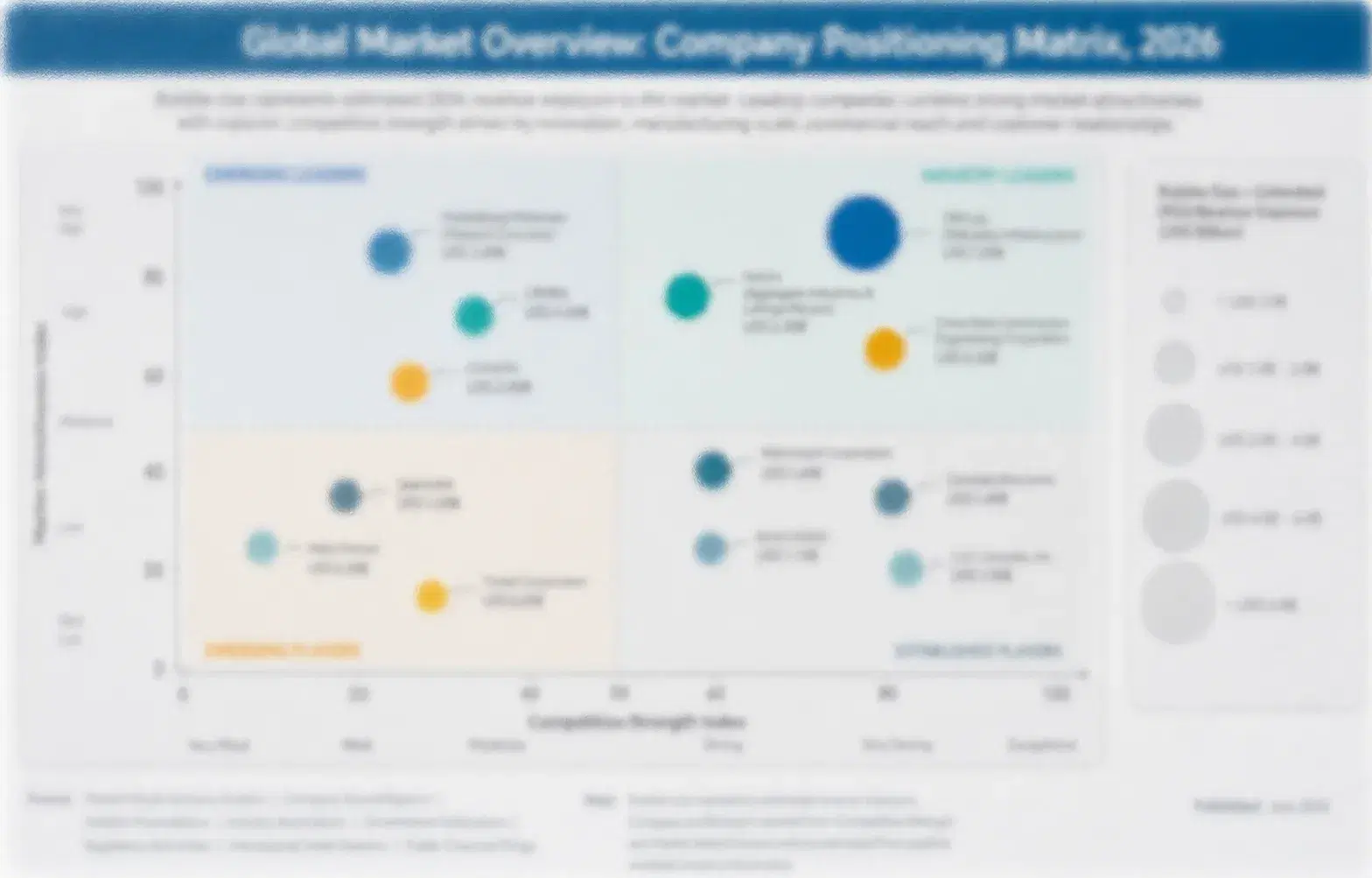
Measured on disclosed radiography accessory and positioning product revenue, the five largest suppliers hold a CR5 of just 29%, the lowest in medical imaging, because moulded foam, coated fabric and plastic carry no proprietary chemistry and no barrier to entry beyond understanding radiolucency. AliMed and Techno-Aide hold broad catalogue positions across radiology accessories, Supertech and Wolf X-Ray carry established radiography specialisation, and Z&Z Medical holds positions in positioning and immobilisation products. Almost nobody in the group manufactures only these products.
Three contests define activity. Foam and fabric products compete almost entirely on price against local manufacturers in every market. Detector holders compete on fit with specific detector models and on protecting expensive equipment. And laser guidance systems compete as capital items against a completely different budget and buyer. Paediatric systems compete in a narrow field on a demanding requirement.

Pressure builds from imaging equipment manufacturers bundling accessories into system configurations, which bypasses the accessory supplier entirely. Rankings shift toward whoever holds equipment maker relationships and published radiolucency evidence together. Understanding radiolucency remains the only genuine barrier anybody in this category actually has to clear at all.
x-ray-positioning-devices-market-company-positioning-matrix-1787716014210

Competitive Moat and Risk Dimensions

ALIMED

Moat: Catalogue Breadth And Distribution Reach

AliMed carries positioning accessories inside a broad medical products catalogue reaching radiology departments alongside many other purchases, which spreads cost of sale across a range no specialist can match. Departments order from familiar suppliers with established accounts. A competitor with a better sponge still needs a purchasing relationship, and opening one for a few hundred dollars rarely repays the effort.
ALIMED

Risk: Equipment Bundling Bypasses Catalogues

Imaging manufacturers increasingly configure rooms complete with positioning accessories, which removes the departmental purchase from a catalogue supplier entirely and moves it upstream to a relationship the accessory maker does not hold. Catalogue breadth defends nothing against a room that arrives fully equipped. That shift is quiet, gradual and very difficult to reverse.
TECHNO-AIDE

Moat: Radiography Specialisation And Product Depth

Techno-Aide built a range designed specifically around radiographic positioning rather than adapted from general patient handling, which shows in radiolucency, geometry and how products behave in an actual examination. Radiographers notice that difference and specify accordingly. Depth in a narrow field is genuinely difficult for a general medical products supplier to replicate, since it requires understanding examinations rather than materials.
TECHNO-AIDE

Risk: Local Manufacture Undercuts Everywhere

Moulded foam and coated fabric can be produced competently in any market, and local manufacturers appear wherever imaging capacity expands, competing on price against products a purchasing officer regards as interchangeable. Specialisation defends the specification without defending the order in a tender comparing cost per item. Concentration at 29% is the visible result of exactly that dynamic.

Players Tracked

Prominent Players

AliMed
Techno-Aide
Supertech X-Ray
Wolf X-Ray
Z&Z Medical

Other Key Players

Modern Way Immobilizers
Contour Fab
Bar-Ray Products
Universal Medical
Infab Corporation
Burlington Medical
Shielding International
Medical Index
Trulife
Steris
Hausmann Industries
Clear Image Devices
Octostop
Rothband
Nuclear Associates

Recent Developments

MARCH 2025

Accreditation programme adds reject analysis to radiography requirements

An accreditation programme added routine reject and repeat analysis to its requirements for diagnostic radiography facilities, a quality standards decision rather than any commercial development. Departments that had never quantified their repeat rate were required to begin measuring and reporting it across all examination types.
Signal: Measurement makes the case for positioning accessories that mere persuasion has never once managed to make.
JULY 2025

Imaging manufacturer bundles positioning accessories into room configuration

An imaging equipment manufacturer began configuring radiography rooms complete with a specified positioning accessory package, an equipment configuration decision rather than any acquisition or partnership arrangement announced publicly. Departments receiving those rooms no longer specified or purchased any accessories separately at any later point afterwards.
Signal: Bundling moves the whole purchase upstream and removes the accessory supplier from the transaction almost entirely.
NOVEMBER 2025

Infection control guidance restricts uncovered foam positioning aids

An infection prevention guidance update restricted the use of uncovered porous foam positioning aids in patient contact, requiring sealed or single-use covered products instead. This was a clinical guidance revision rather than any product recall or safety action against manufacturers of any of the affected products concerned.
Signal: Cleaning requirements have obsoleted far more product in this category than any clinical argument ever did.

Foam, Coatings And Optics

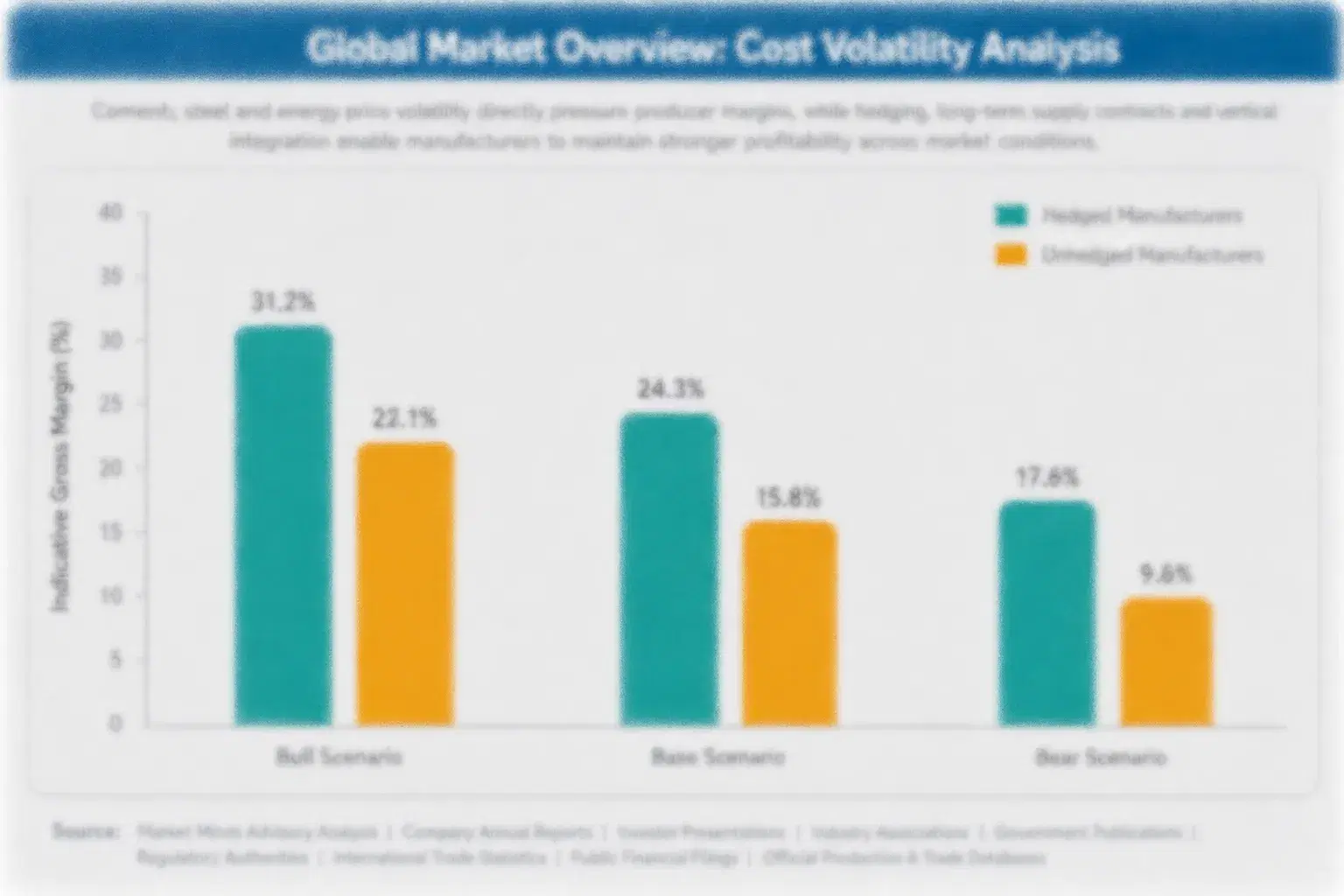
The bill of materials is unglamorous and entirely commodity. Polyurethane and polyethylene foam, radiolucent polymer and carbon fibre sheet, coated vinyl and urethane cover films, hook-and-loop fastening, moulded plastic components and, for guidance systems, laser diodes and optics together account for 44 to 56% of finished product cost. Foam is the single largest line by a wide margin and it is bought from converters serving furniture and bedding customers too.
The volatility that mattered was polyurethane feedstock. Gulf Coast petrochemical capacity shut during the February 2021 winter storm, isocyanate and polyol supply tightened severely, and foam prices rose sharply through that year and the next, which EIA petrochemical feedstock price data records across the period. Medical accessory volumes are trivially small beside furniture and bedding demand, so converters allocated elsewhere and small manufacturers simply waited.

Exposure divides by scale of foam purchasing rather than by anything technical. Suppliers buying meaningful foam volumes hold converter relationships and forward pricing; smaller manufacturers buy at spot and absorb every movement immediately. Guidance system suppliers face laser diode and optics sourcing instead, which behaves quite differently and involves lead times rather than price. Coated cover films sit with few specialist producers serving medical customers.
x-ray-positioning-devices-market-cost-volatility-analysis-1787716014397

Contract foam supply ahead of seasonal demand peaks

Foam converters serve furniture, packaging and bedding customers whose volumes dwarf medical accessory demand entirely, and allocation follows volume whenever feedstock tightens anywhere. Contracting ahead costs commitment against orders that may not fully materialise in any given quarter. It secures supply in periods when small purchasers are simply told to wait, which has happened more than once in recent years.

Qualify coated cover film from a second producer

Sealed and wipeable covers depend on coated films from a small number of producers serving medical customers, and infection control requirements make the specification genuinely difficult to substitute quickly. Qualifying an additional producer costs cleaning validation and durability testing across every product format. It removes a dependency on the component that made the infection control replacement cycle possible.

Design products around common foam grades deliberately

Specifying unusual foam densities or thicknesses ties production to converter runs that may be scheduled infrequently, while common grades are available continuously from multiple sources at short notice. Standardising costs some design freedom and occasionally a slightly heavier product. It converts a scheduling dependency into an ordinary purchase, which matters considerably more than the modest weight penalty ever does.

Portfolio Architecture for Margin Defence

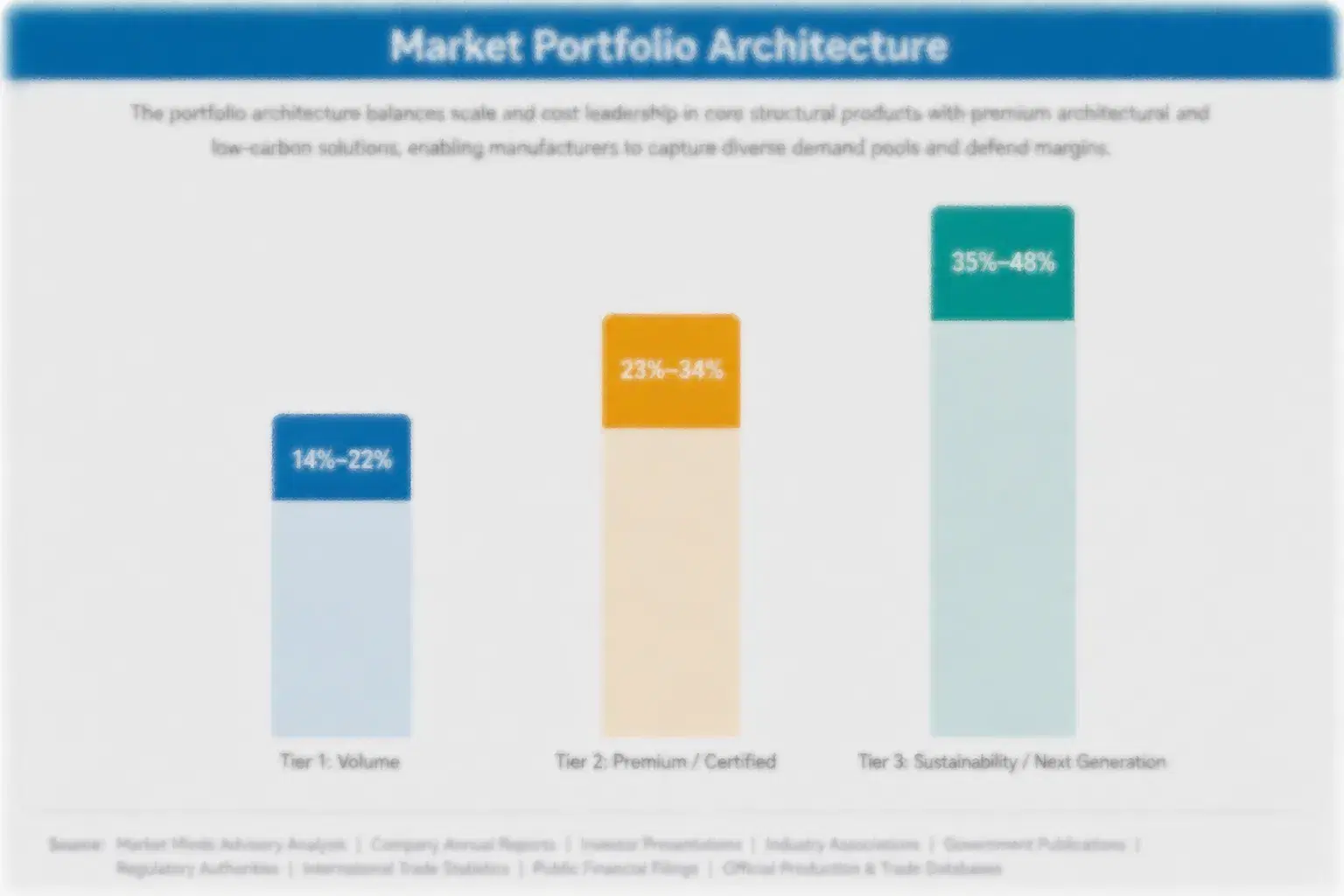
Margin follows how difficult a product is to copy rather than how clinically important it is, which is unfortunate given what this category actually does. Basic foam sponges and straps earn thinly against local manufacture everywhere. Coated and sealed pads earn moderately on infection control specification. Paediatric immobilisation systems earn well on a narrow and demanding requirement. Detector holders earn well on model-specific fit. Laser guidance systems earn best of anything, on capital pricing and genuine engineering content.
The tension is that the products doing most clinical work earn least. Sponges and pads sit in every examination and carry the lowest margin in the category, while laser guidance systems address the same problem from a different direction at capital pricing. A supplier weighted to foam competes with anybody owning a moulding press; one weighted to guidance systems sells infrequently into a capital budget.

High-value pools sit in three places. Laser alignment and guidance systems, where engineering content and capital pricing coincide. Detector holders designed for specific detector models, which lock to the equipment they protect. And published radiolucency validation, which is not a product at all but is the only credible way to separate an engineered device from a cushion.

Volume / Commodity-Adjacent

Basic foam sponges, straps and simple immobilisation products competing against local manufacture on unit price. The 10-point range separates suppliers with contracted foam supply and their own moulding from those buying finished components on open markets.
Gross Margin: 22-32%

Premium / Certified

Coated and sealed pads, detector holders and paediatric positioning systems sold on specification, fit and infection control compliance. The 14-point spread reflects how differently commodity-adjacent covered foam and model-specific detector accessories are priced in practice.
Gross Margin: 42-56%

Sustainability / Regulatory / Next-Generation

Laser alignment and guidance systems together with positioning tables, stands and specialised chairs sold as capital items. The 20-point range is wide because optical guidance engineering and fabricated steel positioning furniture carry entirely different cost structures.
Gross Margin: 54-74%
x-ray-positioning-devices-market-portfolio-architecture-1787716014593

High-value Sub-segments and Strategic Watch-out

Laser Alignment And Guidance

Highest margin and fastest growth at 9.9%, attacking the positioning error behind roughly 48% of repeat exposures rather than supporting a patient afterwards. The risk is that capital pricing places it before a different buyer entirely, on a budget that competes with imaging equipment itself.
Gross Margin: 64-74%

Model-Specific Detector Holders

Strong economics from fit that is specific to a detector model and from protecting equipment worth tens of thousands of dollars. The risk is that detector generations change and a holder designed for one becomes stock nobody anywhere wants to buy. Generations change faster than stock turns.
Gross Margin: 52-62%

Coated Positioning Pads

The volume core, replaced roughly every 14 months under infection control requirements that made uncovered foam genuinely unusable everywhere. Suppliers hold it because it anchors the departmental relationship through which everything else in the range is sold. Nobody exits it and nobody enjoys it much.
Gross Margin: 42-52%

Equipment Bundling Displacement

The strategic watch-out. Imaging manufacturers configuring rooms complete with accessories remove the departmental purchase entirely and move it upstream. The risk is losing the transaction to a relationship the accessory supplier has never had any part in. It is quiet, gradual and hard to reverse.
Gross Margin: 20-30%

Bought Twice, Replaced Constantly

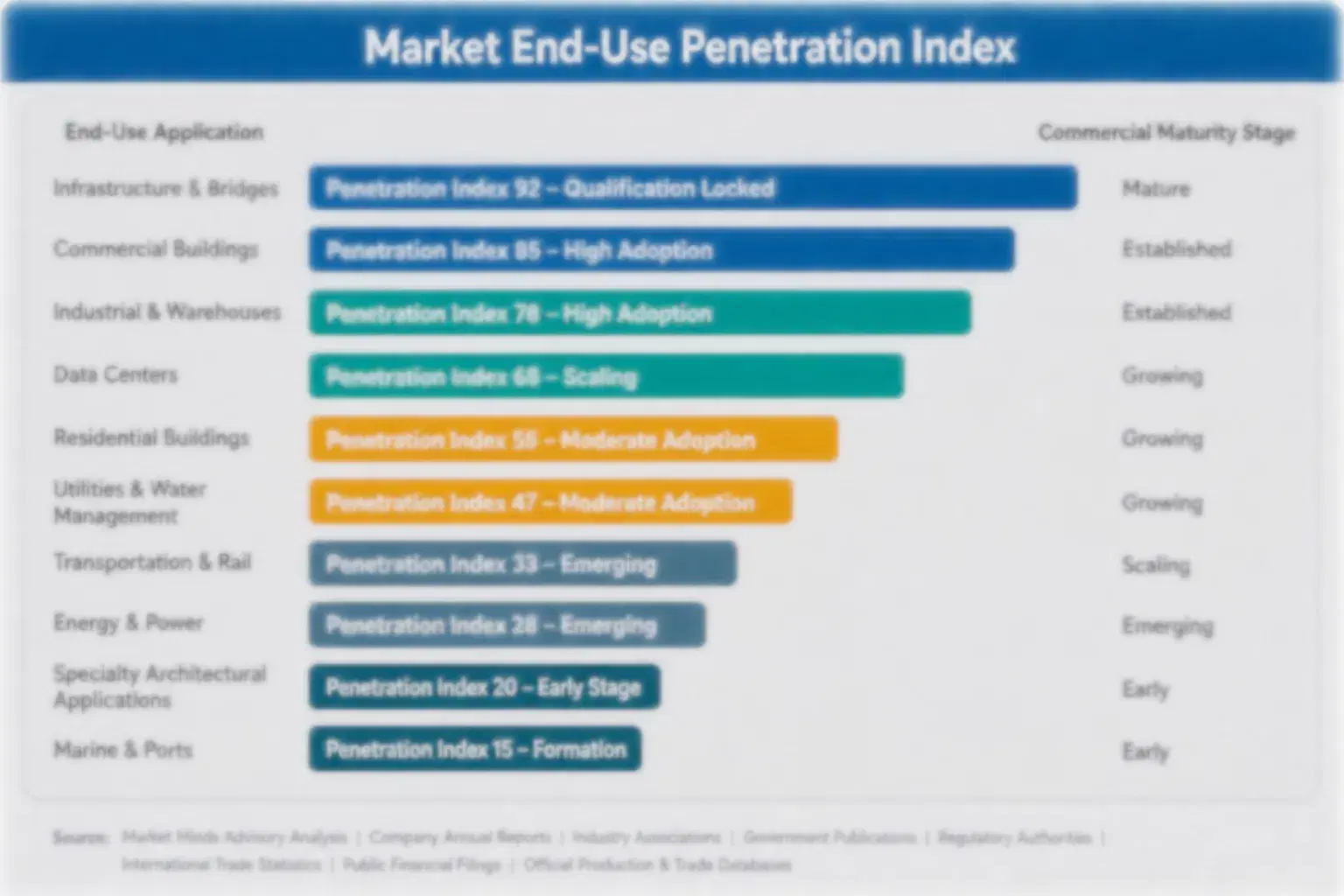
Two quite different purchase rhythms run through this category at once. Positioning tables, stands and guidance systems are capital items bought with a room and kept for a decade or more. Sponges, pads, straps and covers are consumed steadily and replaced roughly every 14 months under infection control requirements, which produces the recurring revenue that actually sustains most suppliers. A department buys the first group once and the second forever.
Stickiness sits with the radiographer rather than with any contract. Somebody who has positioned a difficult patient with a particular wedge sponge keeps reaching for it, and departments reorder what is already there because reordering is easier than evaluating. Detector holders are stickier still, since fit is model-specific. Capital items are least sticky, because a decade between purchases is long enough that nobody remembers what they bought last time.

The buyer is drifting upstream and away from the department. Radiographers and department managers once specified accessories on a separate order, choosing from catalogues they knew. Imaging equipment manufacturers now increasingly configure rooms complete, and group purchasing organisations negotiate accessory contracts centrally. Neither buyer has ever positioned a patient, and both compare on price because nothing else distinguishes the items.
x-ray-positioning-devices-market-end-use-penetration-index-1787716014779

Measure The Repeats

These are among the four positions where our research anticipates prominent divergence between winners and laggards over the coming forecast period. Each is grounded in the demand model, the regulatory perimeter, and the announced capacity pipeline.
01 / REPEAT RATE EVIDENCE

The number sells the product for you

A department measuring its reject rate finds roughly 6% of all radiographs repeated with positioning error causing around 48% of them, and at that point a few hundred dollars of accessories becomes a trivially easy thing for anybody at all to justify. Suppliers who help departments actually run a reject analysis create their own demand, because the resulting number does all of the persuading. It costs applications time rather than any product development, and almost nobody in the category offers it.
02 / EQUIPMENT SPECIFICATION BUNDLING

Get into the room configuration upstream

Positioning kit costs only roughly 0.4% of a system purchase and gets specified late by whoever happens to remember it, on a capital order dominated entirely by equipment that nobody wants to delay for an accessory discussion. Getting accessories written into the imaging manufacturer's own room configuration removes that particular problem completely. It requires relationships with equipment makers rather than radiology departments, which is a commercial motion that very few accessory suppliers anywhere have ever bothered to build at all.
03 / RADIOLUCENCY PROOF PUBLICATION

Show it does not appear in the image

A positioning device sits directly in the beam and it must not appear anywhere on the resulting image, and a sponge producing an artefact over a lung field has caused precisely the repeat that it was purchased to prevent in the first place. Published attenuation and imaging validation data separate an engineered product from an ordinary cushion. In a category where concentration sits at just 29% and anybody at all can mould foam, almost nobody publishes any of it whatsoever.
04 / DETECTOR PROTECTION FRAMING

Sell the asset, then the accessory

A single free digital detector costs tens of thousands of dollars and it is considerably easier to drop than any film cassette ever was, which makes a purpose-built holder an entirely obvious purchase in a way that a positioning sponge simply never is. Suppliers leading with equipment protection reach a budget holder who responds immediately, and then introduce the positioning range afterwards. It is an argument about capital preservation rather than clinical quality, and it works considerably faster in practice.

Engagement Snapshot From the Field

A live engagement with an industry participant carrying material or product regulatory and market exposure ahead of a defining policy shift, showing how our research translates into a defensible multi-year portfolio strategy.
MARKET MINDS ADVISORY · CLIENT ENGAGEMENT SUMMARY
X-Ray Positioning Devices Producer Strategic Portfolio Review and Transition Roadmap 2026·Investment Scenario on X-Ray Positioning Devices Exposure Evaluation 2025-26
CLIENT PROFILE
A medical imaging accessory manufacturer supplying positioning sponges, pads and immobilisation products across European and Asian markets, with reported accessory revenue of 41 million dollars (client-reported, unverified by MMA). Roughly 74% came from foam and fabric products. The company held no laser guidance range and no relationship with any imaging equipment manufacturer anywhere at all.
STRATEGIC CHALLENGE
Foam product pricing had fallen for three consecutive years against local manufacturers in two Asian markets, and one European hospital group had begun receiving rooms with accessories already fitted. Management was preparing a manufacturing cost programme. That competed on the one dimension where local producers held a permanent advantage and ignored the bundling that was removing the transaction entirely.
MMA APPROACH
MMA analysed revenue and margin by product line against purchase route and buyer, a mapping the company had never constructed from its own order data. Nineteen expert interviews with radiographers, department managers, imaging equipment sales teams and group purchasing leads established how accessories actually reach a room. The analysis treated equipment bundling and repeat rate evidence rather than manufacturing cost as the routes available.
KEY FINDINGS
  1. Radiographers strongly preferred the client's wedge sponges and none of that preference reached the purchasing decisions in the two markets where volume was being lost.
  2. Imaging equipment sales teams confirmed they would include a specified accessory package where a supplier arranged it, and no accessory maker had ever approached them.
  3. Departments running reject analysis bought considerably more positioning product per room than those that did not, and nobody at the company had noticed the correlation.
  4. No competitor in either region published any radiolucency validation data, which left an inexpensive differentiation entirely unclaimed by anybody at all in either region.
CLIENT PROFILE
A medical imaging accessory manufacturer supplying positioning sponges, pads and immobilisation products across European and Asian markets, with reported accessory revenue of 41 million dollars (client-reported, unverified by MMA). Roughly 74% came from foam and fabric products. The company held no laser guidance range and no relationship with any imaging equipment manufacturer anywhere at all.
STRATEGIC CHALLENGE
Foam product pricing had fallen for three consecutive years against local manufacturers in two Asian markets, and one European hospital group had begun receiving rooms with accessories already fitted. Management was preparing a manufacturing cost programme. That competed on the one dimension where local producers held a permanent advantage and ignored the bundling that was removing the transaction entirely.
MMA APPROACH
MMA analysed revenue and margin by product line against purchase route and buyer, a mapping the company had never constructed from its own order data. Nineteen expert interviews with radiographers, department managers, imaging equipment sales teams and group purchasing leads established how accessories actually reach a room. The analysis treated equipment bundling and repeat rate evidence rather than manufacturing cost as the routes available.
KEY FINDINGS
  1. Radiographers strongly preferred the client's wedge sponges and none of that preference reached the purchasing decisions in the two markets where volume was being lost.
  2. Imaging equipment sales teams confirmed they would include a specified accessory package where a supplier arranged it, and no accessory maker had ever approached them.
  3. Departments running reject analysis bought considerably more positioning product per room than those that did not, and nobody at the company had noticed the correlation.
  4. No competitor in either region published any radiolucency validation data, which left an inexpensive differentiation entirely unclaimed by anybody at all in either region.
RECOMMENDED STRATEGY
Phase 1: Phase one: approach imaging equipment manufacturers about accessory packages, entering the channel that is quietly quietly removing the departmental purchase altogether. Phase 2: Phase two: publish radiolucency and imaging validation data, claiming differentiation that costs testing rather than any product development work at all. Phase 3: Phase three: offer reject analysis support to departments, since the resulting number justifies the purchase far better than any sales argument.
OUTCOME
One imaging manufacturer agreed an accessory package for a mid-range room within three quarters, opening a channel the company had never accessed. Published radiolucency data was cited in two tender wins (client-reported, unverified by MMA). Reject analysis support was piloted at four departments and every one increased accessory purchasing afterwards. The manufacturing cost programme was reduced in scope.

Frequently Asked Questions

Foundational context covering the market sizes, CAGR, scope, country, region and competition that inform every finding below. This section is provided to cover basics and most often pre-purchase conversations, answered from the MMA Primary Research Dataset.

What is the current size of the X-Ray Positioning Devices Market?

The market was worth 0.5 billion dollars in 2025, covering sponges, immobilisation devices, paediatric systems, detector holders, stands and laser guidance. It reaches 0.53 billion dollars in 2026.

How large will the X-Ray Positioning Devices Market be by 2036?

MMA forecasts 1.01 billion dollars by 2036, an increase of 0.48 billion dollars over the 2026 base. That represents an expansion multiple of 1.91 times across the forecast period.

What is the CAGR for the X-Ray Positioning Devices Market 2026 to 2036?

The base case compounds at 6.6% annually. The bull case reaches 7.8% if dose reporting requirements spread, while the bear case sits at 5.4% on accessories remaining an afterthought purchase.

Which segment is growing fastest?

Laser alignment and positioning guidance systems, at 9.9%, half again the market rate of 6.6%. They attack the positioning error behind roughly 48% of repeat exposures directly.

Who are the major companies in the X-Ray Positioning Devices Market?

AliMed, Techno-Aide, Supertech X-Ray, Wolf X-Ray and Z and Z Medical lead on disclosed radiography accessory revenue. Modern Way Immobilizers and Contour Fab hold notable specialist positions.

Which country is growing fastest?

India at 8.6%, as radiography rooms are commissioned across secondary hospitals and diagnostic chains. Accessory purchasing there still lags equipment purchasing by a considerable margin.

Report Segmentation Architecture

The full report scope spans multiple orthogonal segmentation dimensions, with cross-tabulated demand data provided for each dimension pair. Coverage extends further to regional breakdowns, trend trajectories, and the competitive detail needed to support segment-level decision-making.

By Device Type

  • Radiolucent Positioning Sponges and Pads
  • Immobilisation Devices and Straps
  • Paediatric Positioning Systems
  • Detector and Cassette Holders
  • Patient Positioning Tables Stands and Chairs
  • Laser Alignment and Positioning Guidance Systems

By End-Use Industry

  • Hospital Radiology Departments
  • Diagnostic Imaging Centres
  • Emergency and Trauma Imaging
  • Paediatric Hospitals and Units
  • Orthopaedic and Musculoskeletal Clinics
  • Mobile and Field Radiography Services

By Commercial Dimension

  • Departmental Catalogue Purchase
  • Equipment Manufacturer Bundled Supply
  • Group Purchasing Organisation Contracts
  • Hospital Capital Tender
  • Distributor and Dealer Channels
  • Replacement and Consumable Reordering

By Region

  • North America
  • Western Europe
  • East Asia
  • South Asia and Pacific
  • Latin America
  • Middle East and Africa
  • Eastern Europe

Scope, Methodology, and Coverage

Every figure in this report is reproducible from documented input assumptions. The scope below maps the historical period, the forecast horizon, the segmentation dimensions, and the countries covered, alongside the underlying primary and qualitative methodology.
Historical Period
2020 to 2025
Forecast Period
2026 to 2036
Base Year
2025 (USD billions; MMA Primary Research Dataset, August 2026)
Market Definition
Scope covers accessories and devices used to position, support, align and immobilise patients and image receptors during diagnostic radiographic examinations, spanning radiolucent positioning sponges and pads including coated and sealed formats, immobilisation devices and straps, paediatric positioning systems, detector and cassette holders, patient positioning tables stands and chairs used specifically for radiography, and laser alignment and positioning guidance systems. Radiotherapy immobilisation masks and fixation systems, imaging equipment tubes generators and detectors themselves, radiation protection aprons shields and barriers, contrast injection and administration accessories, and general patient handling or transfer equipment not specific to radiography are excluded from the market size and all derived figures.
Quantitative Units
USD billions (current prices); units shipped; accessory cost per room; repeat exposure rate; replacement cycle in months
Segmentation Dimensions
By Device Type; By End-Use Industry; By Commercial Dimension; By Region
Regions Covered
North America, Western Europe, East Asia, South Asia and Pacific, Latin America, Middle East and Africa, Eastern Europe
Countries Covered
USA, China, Japan, Germany, India, UK, France, South Korea, Canada, Brazil, Italy, Australia, Spain, Mexico, Poland
Key Companies Profiled
AliMed, Techno-Aide, Supertech X-Ray, Wolf X-Ray, Z&Z Medical, Modern Way Immobilizers, Contour Fab, Bar-Ray Products, Universal Medical, Infab Corporation, Burlington Medical, Shielding International, Medical Index, Trulife, Steris, Hausmann Industries, Clear Image Devices, Octostop, Rothband, Nuclear Associates
Quantitative Methodology
Primary survey, n=3,800 respondents, Q4 2025, six countries; demand-side model with trade association cross-validation
Qualitative Methodology
47 expert interviews, Q4 2025; applied to validate demand model assumptions, identify emerging dynamics, and assess competitive positioning
Report Format
PDF and XLSX data workbook (Word format preview document)
Publisher
Market Minds Advisory
Report Code
MMA-2026-MED-153
Published
August 2026
Contact
sales@marketmindsadvisory.com | www.marketmindsadvisory.com

Purchase the full X-Ray Positioning Devices Market Report (2026 to 2036).

The full report runs to 140 pages and covers all six device type segments, seven regions and 20 profiled suppliers in detail. It includes the complete segment CAGR set, regional accessory purchasing discipline and examination volume comparison, and repeat exposure analysis linking positioning products to measured reject rates. Company profiles carry evaluation on disclosed radiography accessory and positioning product revenue, with moat and risk assessment for the top five suppliers. The competitive section extends to 10 tracked accreditation, bundling and infection control developments across 2024 and 2025. Primary research inputs include a quantitative survey of 3,800 respondents and 47 expert interviews conducted in Q4 2025.
Six device type segments with individual CAGR forecasts
Seven regional markets with purchasing discipline and volume comparison
Twenty supplier profiles on consistent revenue evaluation basis
Ten tracked accreditation and bundling developments with commercial interpretation
Repeat exposure analysis linking positioning products to reject rates
Equipment bundling assessed as a channel displacement risk

Built For The People Who Decide

From boardroom strategy to bench-side execution, this report is read cover-to-cover by leaders shaping the next decade of their industry, turning demand scenarios, market dynamics and valuation benchmarks into decisions.
CXOs/ Presidents/ VPs/ Managers
M&A and Corporate Development
Strategy Teams and R&D Heads
Procurement and Product Directors
Regulatory and Compliance Leaders
Investor Relations and Equity Analysts