
Market Minds Advisory
Emission Control Catalyst for Small Engines Market

Emission Control Catalyst for Small Engines Market: Emission Control Catalyst for Small Engines Market: Heat, Not Chemistry, Sets The Design

Roughly 64% of these catalysts go onto powered two and three wheelers in Asia. The Western handheld base that once defined the category is being legislated out of existence entirely.

Lead Analyst

Published

August 2026

Make Smarter Decisions with Customized Research Insights

Request a free sample report and evaluate market opportunities, growth trends, and competitive dynamics relevant to your business needs.

2025 MARKET VALUE$1.9BMarket Size 2025
2036 FORECAST VALUE$3.5BBase Case , 2026 to 2036
CAGR 2026 TO 20365.6 %Bull 6.8% / Bear 4.4%
INCREMENTAL OPPORTUNITY$1.5BNet 10- year value creation
EXPANSION MULTIPLE1.73x2036 value over 2026 base
Strategic Levers
M&A Pipeline
Regional Outlook
Country Rankings
Competitive Intelligence
Segmental Deep-dive
Call-Us : 91 93563 13602

Executive Snapshot and Market Trajectory.

This category is misread constantly. Around 64% of units go onto Asian two and three wheelers rather than onto the garden equipment most people picture, and those two demand pools are moving in opposite directions right now. Forecasting the two of them together produces nonsense.
East Asia holds 33% of value and South Asia and Pacific 13%, both above the usual regional bands because two and three wheeler production concentrates there overwhelmingly. Portable generator and pressure washer catalysts grow at 8.4%, half again the market rate of 5.6%, since battery power has displaced almost every other small engine application and has not touched backup generation. Nothing else in the category is growing at anything close to that rate now.
Concentration reaches 58% and rests on thermal engineering rather than washcoat formulation. A catalyst welded inside a handheld tool muffler sits centimetres from an operator's hand and above dry grass, which makes managing exotherm the binding constraint and conversion efficiency the comparatively easy part. A supplier who solves that quickly saves programme time that nobody can recover any other way, and that is what the premium here is paid for.
Market Definition
The market covers emission control catalysts supplied for small spark-ignition engines below roughly 25 kilowatts, spanning two and three wheeler catalysts, handheld two-stroke equipment catalysts, walk-behind and ride-on equipment catalysts, portable generator and pressure washer catalysts, marine and recreational small engine catalysts, and small utility and construction engine catalysts. Automotive and heavy-duty catalysts, diesel particulate filters and selective catalytic reduction systems, complete muffler and exhaust assemblies sold as finished units, and battery-powered equipment are excluded.
Base Year Value
$1.9B in 2025 (MMA Primary Research Dataset, August 2026)
Forecast Period
2026 to 2036, eleven discrete annual values
CAGR
5.6% base case. Bull 6.8%. Bear 4.4%.
Fastest Growth Segment
Portable Generator and Pressure Washer Catalysts: 8.4% CAGR
Fastest Growth Country
India: 7.6% CAGR
Fastest Growth Region
South Asia and Pacific: 7.8% CAGR
Largest Region
East Asia: 33% of 2025 global value
Market Leaders
Umicore, Johnson Matthey, BASF Environmental Catalyst and Metal Solutions, Cataler, Heraeus. Source: MMA Analysis based on disclosed emission control catalyst revenue attributable to small engine applications, company annual reports 2025.
Primary Survey
n=3,800 procurement and R&D decision-makers, Q4 2025, six countries
Methodology
Demand-side build-up, cross-validated against public data, 47 expert interviews

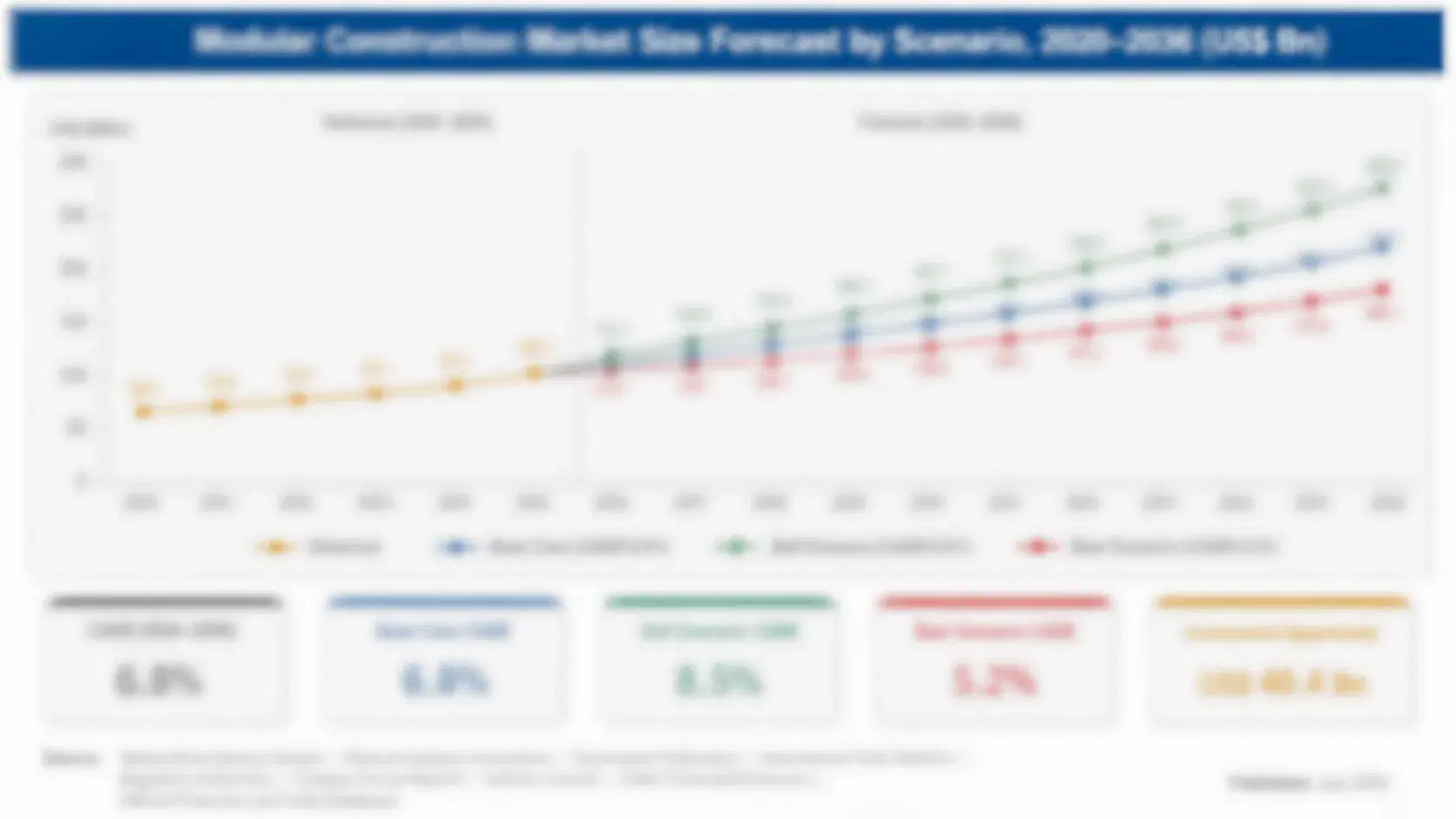
Emission Control Catalyst for Small Engines Market Forecast Scenarios

emission-control-catalyst-for-small-engines-size-forecast-scenario-1787719722249
Growth from 2020 to 2025 ran at 4.4% and hid two opposite movements inside a single average. Indian and Chinese two and three wheeler standards tightened and mandated catalysts across tens of millions of units annually, which pulled volume upward sharply. Western handheld and walk-behind equipment moved to battery power at a pace that surprised almost everybody in the industry, and California prohibited new small off-road engine sales from 2024.
The 5.6% base case rests on three mechanisms. Asian two and three wheeler volume keeps growing and standards keep tightening, which raises both unit count and loading. Portable generators keep selling into grid instability and outage risk, an application battery has not addressed at all. And utility and construction engine requirements continue tightening across markets that adopted them late relative to everyone else. Two of the three sit entirely outside Western markets.
The bull case at 6.8% assumes generator demand rises further on grid reliability concerns while Asian standards tighten faster than expected. The bear case at 4.4% is battery displacement reaching walk-behind and ride-on equipment more completely than modelled, alongside electric two-wheeler adoption in India and China accelerating past current projections and removing the category's volume anchor entirely.

Sixty-Four Percent On Two Wheels

Nothing here looks like an automotive catalytic converter. There is no separate canned unit; the catalyst is a small coated metallic substrate welded inside the muffler itself, which means the supplier sells to the muffler assembly builder rather than to the engine manufacturer. That distinction shapes the whole commercial structure of the category. Engine makers set the specification and never see an invoice for the part that meets it.
FIVE-FIRM CONCENTRATION58%Share of category revenue held by the largest catalyst suppliers
PGM LOADING PER UNIT0.4 gPrecious metal content in a typical small engine catalyst
MUFFLER SKIN TEMPERATURE240 CSurface heat reached on a catalysed handheld garden tool
TWO-STROKE SCAVENGING LOSS27%Fuel passing straight out the exhaust without being burned
TWO-WHEELER UNIT SHARE64%Category volume fitted to powered two and three wheelers
CATALYST COST PER UNIT4.20Supplier price into a muffler assembly builder in dollars
Heat is the design constraint and it is a serious one. A two-stroke engine loses roughly 27% of its fuel straight out the exhaust unburned through scavenging, so the catalyst receives enormous hydrocarbon concentrations and generates exotherms to match. On a handheld tool that heat sits centimetres from the operator's hand and directly above dry grass. Surface temperatures around 240 degrees made heat shielding mandatory.
The demand picture splits cleanly and most commentary misses it. About 64% of units go onto Asian two and three wheelers, where volumes are enormous, standards keep tightening and battery adoption is still modest outside a few Chinese cities. Western handheld and walk-behind equipment, which is what people picture when they hear small engine, is being displaced by battery power and legislated away in California outright.
"Everybody models this as a garden equipment market that battery is killing. It is actually a scooter market with a garden equipment problem attached, and the two halves need entirely separate forecasts because one is growing and the other is being switched off."
Director, Emission Control Systems Practice · MMA Emission Control and Catalysis Practice · August 2026

Market Trends

Battery Displacement Removes Western Handheld Demand Entirely

Handheld and walk-behind garden equipment has moved to battery power far faster than the industry projected, and California prohibited new small off-road engine sales from 2024 with other jurisdictions examining similar measures. That segment now grows at just 2.4%. Suppliers holding positions built on lawn equipment are watching a demand base disappear rather than soften, and there is no reformulation or cost reduction available that changes any part of that outcome. No amount of cost reduction retains a customer who has simply stopped building the engine itself altogether anywhere now.
Market Impact: Grows generator catalysts at 8.4%
Asian Two-Wheeler Standards Raise Loading Per Unit

Indian and Chinese two and three wheeler emission standards have tightened progressively, mandating catalysts across tens of millions of units annually and increasing precious metal loading on each one. Around 64% of category units now sit in this application. Each tightening step raises value per unit rather than only unit count, which is why regional value has grown faster than production volume alone would ever have suggested to anybody modelling it. Loading rises with each step and unit counts stay enormous, which compounds in a way Western applications never do.
Market Impact: Grows utility engine catalysts 7.2%

Market Opportunities and Growth Drivers

Grid Instability Sustains Portable Generator Catalyst Demand

Portable generators sell into outage risk and grid reliability concern, and battery storage has not displaced them because the use case is extended runtime rather than convenience. That segment grows at 8.4%, faster than anything else here. Emission requirements apply to these engines the same way they apply to garden equipment, but nothing about the application is under threat from electrification, which makes it the one genuinely defensible pocket in Western markets. Battery storage has not delivered extended runtime at any acceptable cost or weight at all so far either.
Market Impact: Manages 240 C surface temperatures

Late-Adopting Markets Bring Utility Engines Into Scope

Small utility and construction engines powering compactors, pumps, cutters and similar equipment are being brought under emission requirements in markets that adopted controls later than Europe and North America did. That segment grows at 7.2%. Volumes per model are modest but model counts are large, and the equipment builders involved generally have no prior experience specifying catalysts, which creates technical support demand alongside the component supply itself. Suppliers used to dealing with experienced engine manufacturers frequently underestimate how much hand-holding this work actually requires of them out in practice here.
Market Impact: Swung 1,900 dollars per ounce

Market Restraints and Challenges

Exotherm Management Constrains Every Handheld Design

Two-stroke scavenging sends roughly 27% of fuel out unburned, and the catalyst converting it generates heat that sits centimetres from an operator's hand and above dry vegetation. Root cause is the port-scavenged engine cycle itself, which no catalyst design addresses. Commercial impact is mandatory heat shielding, added mass and constrained substrate sizing. Mitigation runs through stratified scavenging engine designs and partial catalyst loading, both of which trade conversion efficiency against thermal safety. Every design decision here starts from where the heat goes rather than from what the catalyst actually converts.
Market Impact: Cuts handheld growth to 2.4%

Precious Metal Pricing Swings Without Any Warning

Palladium exceeded 2,900 dollars per ounce in early 2022 and fell below 1,000 dollars by 2024, and loading of around 0.4 grams per unit multiplied across tens of millions of units makes that swing material in aggregate. Root cause is a supply base concentrated in very few countries. Commercial impact is margin volatility on fixed-price contracts. Mitigation involves metal pass-through clauses and thrifting toward higher platinum content where the chemistry permits it. Suppliers absorbing that movement on fixed pricing are carrying a risk nobody has ever paid them to hold.
Market Impact: Covers 64% of category units
2 additional market trends, 3 additional growth drivers, and 4 additional restraints and challenges are covered in the full report. Contact sales@marketmindsadvisory.com to access the complete intelligence.

Segment CAGR and Growth Architecture

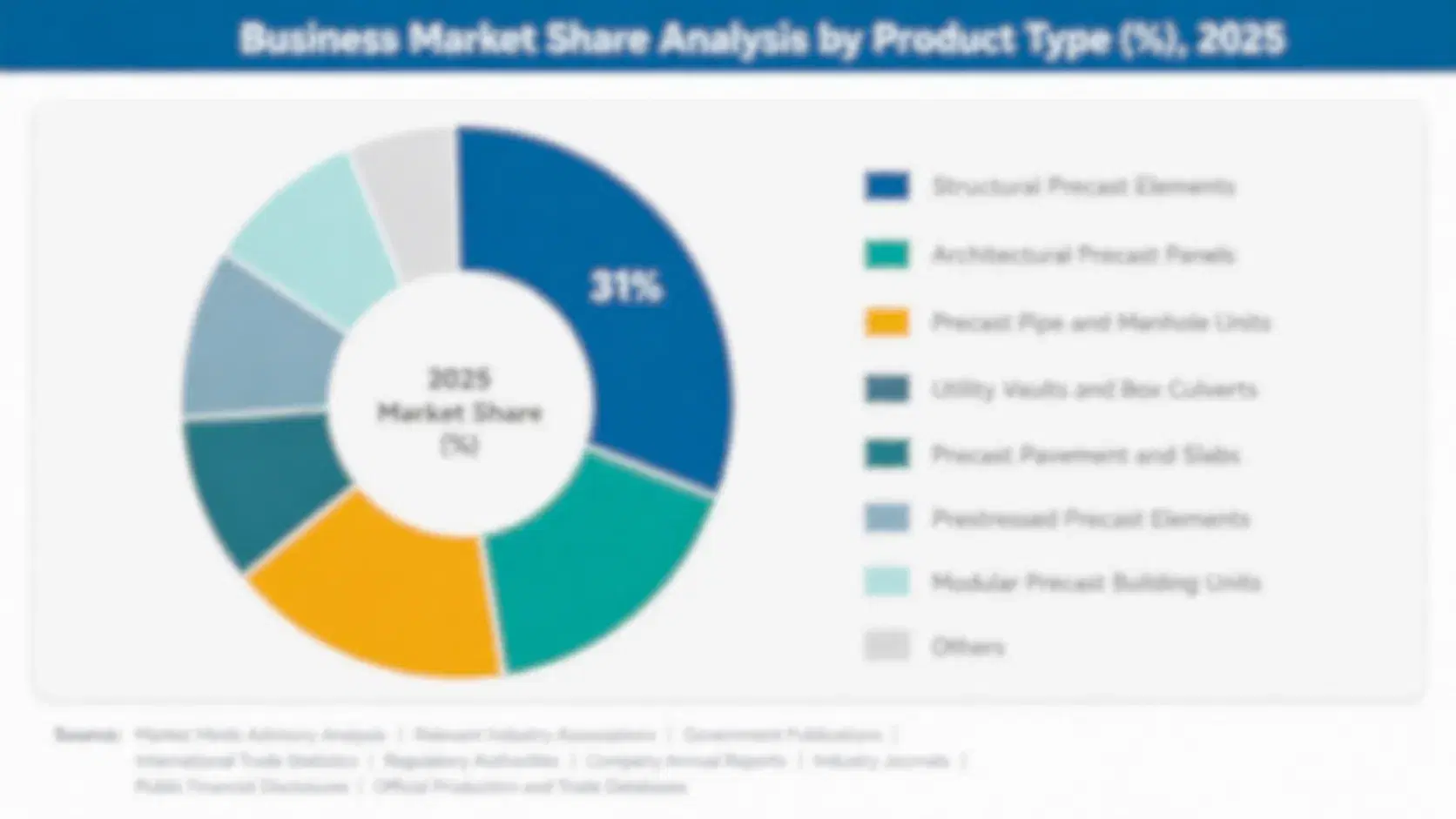
Segmentation follows the engine application the catalyst is supplied for, since duty cycle, thermal environment and regulatory regime all differ by application rather than by chemistry. Six categories cover the market without overlap. Substrate type, coating chemistry and sales channel are treated as separate commercial dimensions throughout this report entirely rather than as segmentation logic here.
emission-control-catalyst-for-small-engines-market-share-analysis-1787719722550

Portable Generator and Pressure Washer Catalysts

Generator and pressure washer catalysts grow at 8.4%, half again the market rate of 5.6%, because these applications sell into outage risk and extended runtime requirements that battery storage has not addressed and shows little sign of addressing soon. Emission requirements apply exactly as they do to garden equipment, and nothing about the use case is threatened by electrification. That makes this the one genuinely defensible Western demand pocket in a category where almost everything else is either shrinking or moving to Asia. Suppliers treating it as one more small engine line rather than as the last defensible position they hold are underinvesting in the only Western revenue nothing threatens.
CAGR 8.4%

Small Utility and Construction Engine Catalysts

Compactors, pumps, cutters and similar small engine equipment grow at 7.2% as markets that adopted emission controls later than Europe and North America bring these engines into regulatory scope. Volumes per individual model stay modest while model counts run high, which makes application engineering effort disproportionate to the revenue involved. Equipment builders here generally have no history of specifying catalysts, so technical support demand arrives attached to the component supply and suppliers frequently underestimate what that actually costs them. Regulatory timelines in these markets tend to move without much warning, which leaves equipment builders qualifying components against deadlines that were announced considerably later than anybody would have preferred them to be.
CAGR 7.2%
Full segment breakdown across 6 segments available in the complete report.

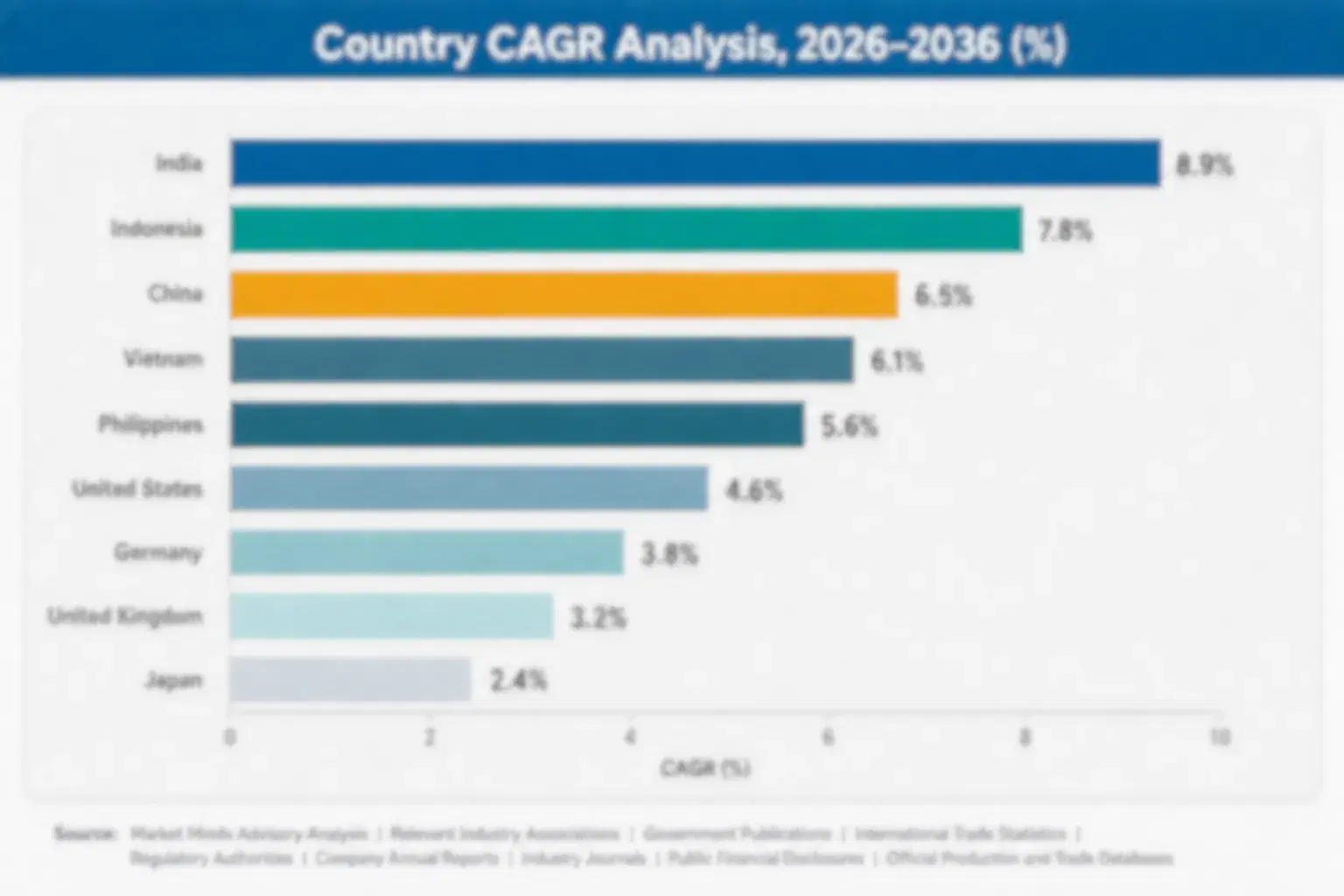
Regional Architecture and Country Demand Map

Geography follows two and three wheeler production above everything else, which concentrates value far more heavily in Asia than in the Western garden equipment markets most commentary on this category still describes. Unit volume and value share diverge sharply between the two halves of this category.

North America

Demand divides sharply between a shrinking garden equipment base and a growing generator base, and the two are moving in opposite directions fast enough that regional totals conceal both movements. California prohibited new small off-road engine sales from 2024 and other states are examining comparable measures, which removes handheld and walk-behind volume permanently rather than temporarily. Portable generator demand rises on grid reliability concern. Marine and recreational engines hold steady, supported by requirements that have been settled for years. Muffler assembly builders here have consolidated substantially as garden equipment volume fell, which leaves catalyst suppliers negotiating with fewer and larger buyers than they did a decade ago and with correspondingly less pricing room.
Share: 22% | CAGR: 4.4% (2026 to 2036)

Western Europe

Battery displacement in garden equipment has advanced further here than anywhere else, driven by noise ordinances in dense residential areas as much as by any emission requirement. That leaves the smallest and slowest growing regional demand base in the category. Small motorcycle and scooter volumes are modest by Asian standards but the standards applied to them are the most demanding anywhere. Utility and construction engine requirements are long established and generate steady replacement demand across contractor fleets. Generator demand is comparatively modest here because grid reliability is high across most of the region, which removes the one growth pocket that partially offsets battery displacement in North American and emerging market demand alike.
Share: 18% | CAGR: 3.8% (2026 to 2036)
Regional intelligence for 5 additional markets available in the complete report: East Asia, South Asia and Pacific, Latin America, Middle East and Africa, Eastern Europe. Contact sales@marketmindsadvisory.com.
emission-control-catalyst-for-small-engines-country-cagr-analysis-1787719722826

Follow The Units, Not The Story

Two and three wheelers take 64% of units, generators grow at 8.4%, loading runs 0.4 grams per unit and palladium swung 1,900 dollars per ounce. Four levers work on Asian volume, generator defensibility, thermal engineering and metal exposure rather than on formulation improvement, which is a thing nobody in this category is still waiting for.

Position Where Sixty-Four Percent Of Units Sit

Around 64% of category units go onto Asian two and three wheelers, and every standards tightening raises loading per unit rather than only unit count. Suppliers whose commercial organisation still reflects a Western garden equipment market are addressing a shrinking minority of the category. Repositioning means technical presence alongside Asian muffler assembly builders rather than alongside engine manufacturers, which is a different set of relationships than most Western suppliers currently hold. Twenty years of engine manufacturer relationships count for very little in a purchasing conversation held somewhere else entirely now.
Market Impact: Reaches 64% of all category unit volume today

Defend The Generator Pocket Quite Deliberately

Portable generator and pressure washer catalysts grow at 8.4% because the application depends on extended runtime that battery storage does not deliver, which makes it the only Western demand pool with no electrification threat attached to it. Suppliers treating it as one more small engine line are underinvesting in the single defensible position they hold. Dedicated application engineering and specification support here protects revenue that everything else in the region is losing. Losing it means holding nothing in Western markets that is not shrinking on somebody else's chosen timetable entirely.
Market Impact: Protects a demand pocket growing at 8.4% annually

Sell Thermal Engineering Rather Than Conversion Numbers

Two-stroke scavenging sends roughly 27% of fuel out unburned and the resulting exotherm sits centimetres from an operator's hand, which makes heat management the binding design constraint and conversion efficiency the comparatively straightforward part. Suppliers who bring thermal modelling and shielding design to the muffler builder solve the problem that actually delays programmes. Those quoting conversion percentages are answering a question that was settled long before anybody called them. Thermal failures surface late in development, when a redesign costs months rather than the weeks anybody had budgeted for it originally.
Market Impact: Manages the 240 C surface temperature limit safely

Contract Metal Exposure Out Of Fixed Pricing

Palladium moved from above 2,900 dollars per ounce in 2022 to below 1,000 dollars by 2024, and at around 0.4 grams per unit across tens of millions of units that swing is material in aggregate even though it looks trivial on any single part. Pass-through clauses tied to published metal pricing remove the exposure entirely. Suppliers holding fixed-price contracts through a metal cycle absorb a volatility nobody is paying them to carry. The clause costs nothing to include and everything to omit across one full metal price cycle out here.
Market Impact: Removes a 1,900 dollar per ounce metal exposure

Who Controls the Margin Pool

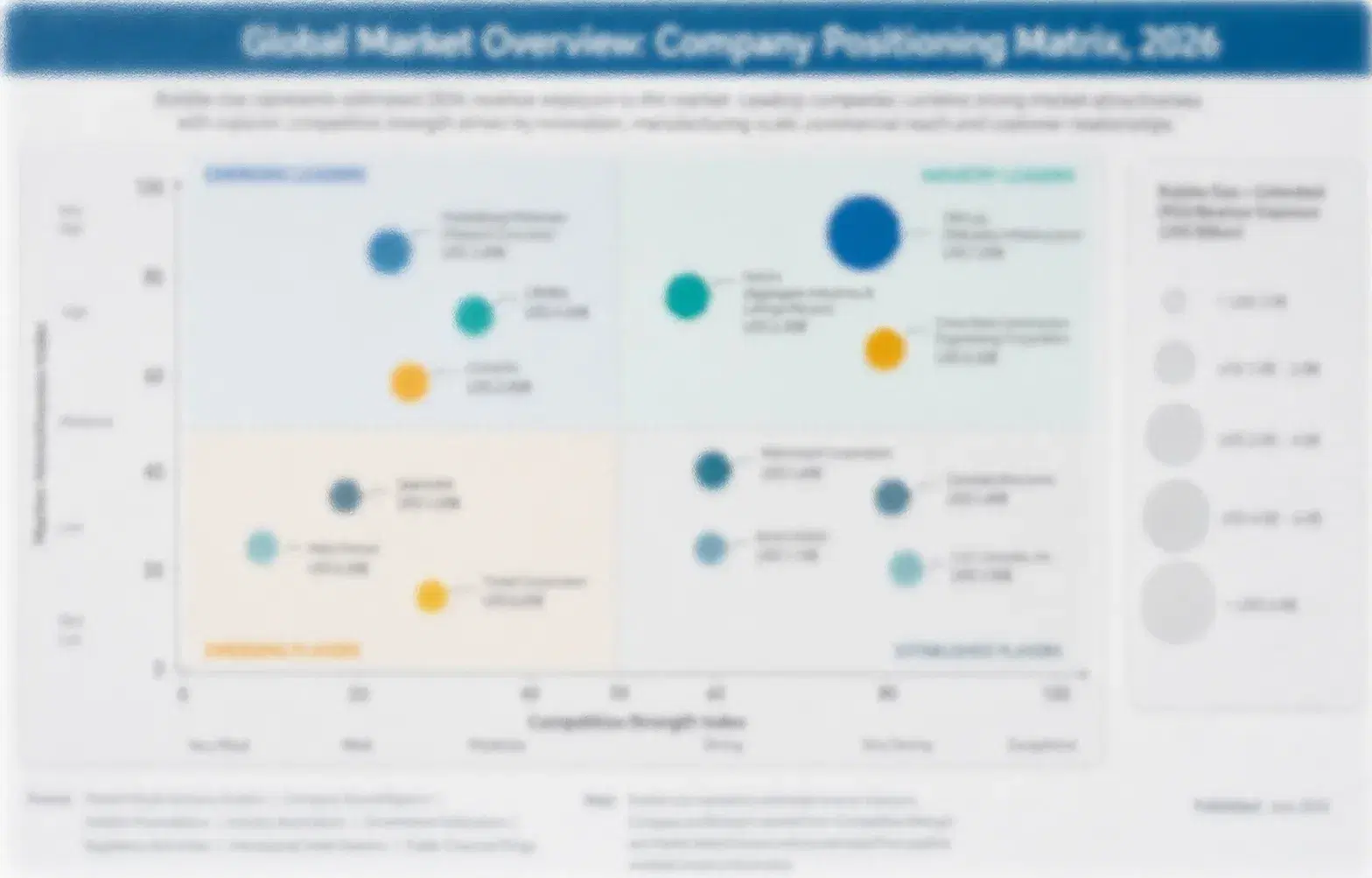
Measured on disclosed emission control catalyst revenue attributable to small engine applications, the five largest suppliers hold a CR5 of 58%, sustained by thermal engineering capability and precious metal handling rather than by any barrier in washcoat chemistry. Umicore and Johnson Matthey carry the deepest application engineering, BASF Environmental Catalyst and Metal Solutions holds broad formulation capability, Cataler holds strong Japanese two-wheeler positions, and Heraeus supplies across metal and coating together. Nobody outside those five holds a comparable position across both halves of the category.
Two contests define activity. Asian two and three wheeler supply competes on cost and local technical presence alongside muffler assembly builders. Western applications compete on thermal engineering support, where programme delays are expensive and specification help is genuinely valued. The two contests reward such different capabilities that few suppliers compete seriously in both of them at once.

Pressure builds from Chinese catalyst suppliers moving up the specification range as domestic standards tighten. Rankings shift toward whoever holds relationships with Asian muffler builders rather than with Western engine makers. Specification authority and purchasing authority now sit in different companies, and plenty of suppliers still call on only one of them.
emission-control-catalyst-for-small-engines-company-positioning-matrix-1787719723087

Competitive Moat and Risk Dimensions

UMICORE

Moat: Metal Handling And Recycling Loop

Combining catalyst supply with precious metal refining and recycling gives the company visibility and control over metal flows that pure catalyst formulators do not have, which matters considerably when palladium can move by nearly 2,000 dollars an ounce inside two years. That capability supports pass-through arrangements customers trust. Rebuilding an equivalent refining position takes years and substantial capital.
UMICORE

Risk: Western Garden Equipment Exposure

Positions built on European and North American handheld and walk-behind equipment face a demand base that battery power is removing permanently rather than cyclically. California has already prohibited new sales and other jurisdictions are examining the same measure. No commercial response recovers volume that legislation has simply switched off.
JOHNSON MATTHEY

Moat: Thermal Application Engineering Depth

The company's application engineering addresses the exotherm and shielding problems that actually delay small engine programmes, rather than the conversion efficiency questions that were resolved years ago. Muffler assembly builders facing a thermal failure late in development need that capability quickly and value it accordingly. Building comparable depth requires programme experience that cannot simply be recruited.
JOHNSON MATTHEY

Risk: Asian Cost Competition Intensifying

Chinese catalyst suppliers are moving up the specification range as domestic standards tighten, and they compete on cost in the applications holding 64% of category units. Technical depth commands less premium where the specification is well understood and the buyer is a cost-driven assembly builder rather than an engine manufacturer.

Players Tracked

Prominent Players

Umicore
Johnson Matthey
BASF Environmental Catalyst and Metal Solutions
Cataler
Heraeus

Other Key Players

CDTi Advanced Materials
Tenneco
Forvia
Eberspaecher
Sango
Yutaka Giken
Futaba Industrial
Sejong Industrial
Bosal
Katcon
Boysen
Nett Technologies
Interkat
Sinocat Environmental Technology
Wuxi Weifu Lida

Recent Developments

JANUARY 2025

Garden equipment manufacturer discontinues remaining petrol handheld range

A garden equipment manufacturer discontinued its remaining petrol handheld product range in favour of battery platforms across all major markets. This was an internal product decision rather than any transaction, and it removed catalyst demand from those models entirely rather than transferring it to another supplier.
Signal: Demand loss here is a permanent removal rather than any competitive share transfer between rival suppliers anywhere.
MAY 2025

Indian two-wheeler maker qualifies higher loading catalyst specification

An Indian two-wheeler manufacturer completed qualification of a higher precious metal loading catalyst specification ahead of tightened requirements taking effect. This was an organic engineering programme rather than any partnership, and it raised value per unit across a very substantial annual production volume of finished vehicles.
Signal: Standards tightening raises value per unit far more reliably than any unit growth ever manages to.
SEPTEMBER 2025

Generator manufacturer expands catalysed model range across output classes

A portable generator manufacturer expanded its catalysed model range across additional power output classes in response to demand tied to grid reliability concerns. This was an organic range extension rather than any acquisition, and it added catalyst demand in the one application electrification has not reached.
Signal: Generators remain the only Western small engine application carrying no electrification threat attached to them at all.

Palladium, Foil, Washcoat

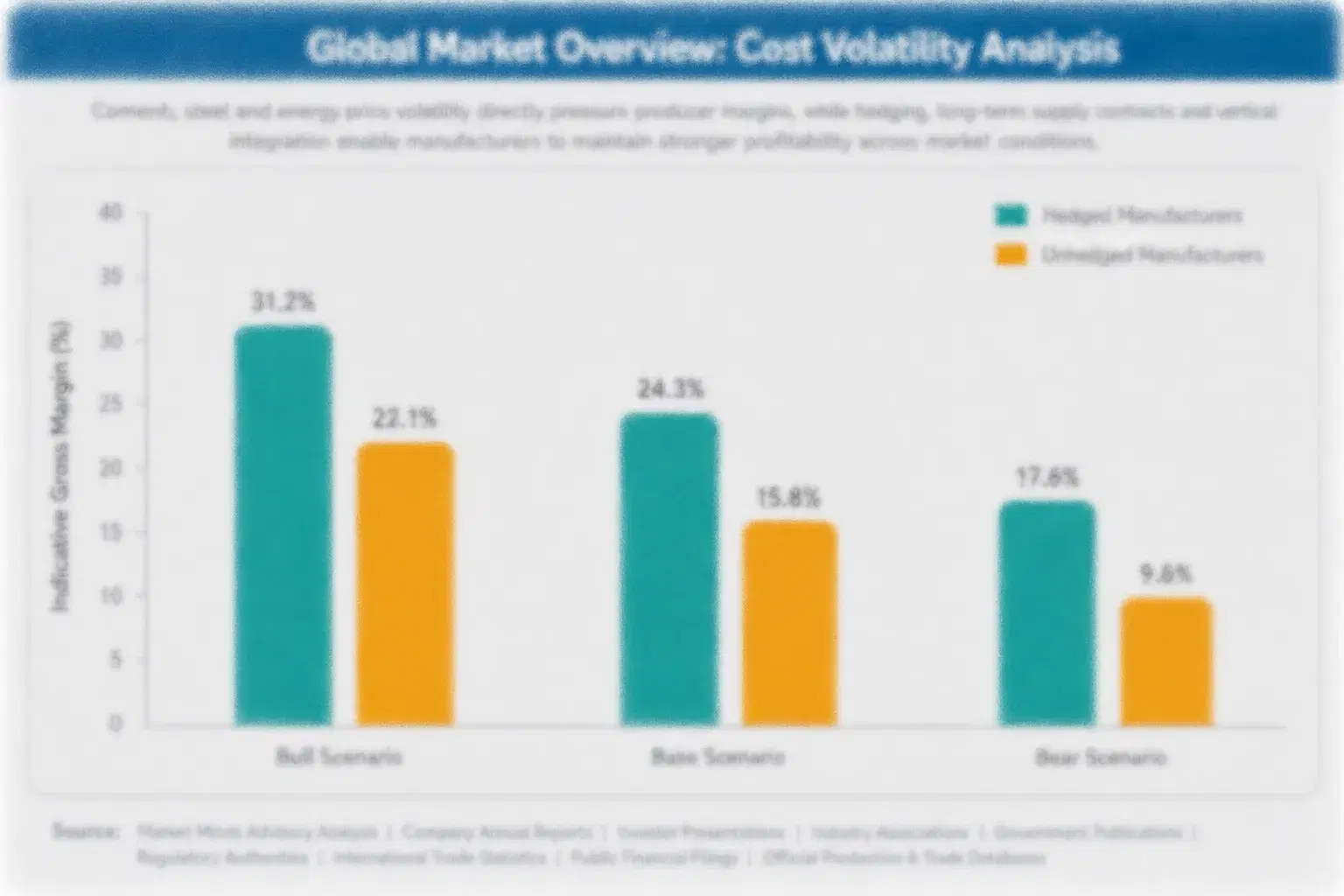
Three inputs carry the cost. Palladium and platinum at around 0.4 grams per unit, metallic substrate foil in iron chromium aluminium alloy, and alumina and ceria washcoat materials together account for 58 to 71% of finished catalyst cost, with canning and welding taking the remainder. Precious metal comes from a supply base concentrated in South Africa and Russia, and substrate foil from a small number of specialist rolling mills.
Palladium did the damage. Pricing exceeded 2,900 dollars per ounce in early 2022 and fell below 1,000 dollars by 2024, a movement the Johnson Matthey PGM Market Report documents in detail. Suppliers holding fixed-price contracts through the rise absorbed cost they could not recover, and those holding them through the fall gave back margin they had briefly earned. Umicore Annual Report 2024 disclosures describe comparable exposure across its catalyst businesses.

Exposure divides by contract structure rather than by purchasing capability. Suppliers with metal pass-through clauses tied to published pricing carry essentially none of the volatility; those on fixed unit pricing carry all of it and gain nothing in return. Smaller suppliers serving cost-driven muffler assembly builders find pass-through clauses hardest to negotiate, which is precisely where it hurts most.
emission-control-catalyst-for-small-engines-cost-volatility-analysis-1787719723378

Write metal pass-through into every supply contract

Palladium moved nearly 2,000 dollars an ounce inside two years and fixed unit pricing transfers all of that movement onto the supplier for nothing in return. Pass-through clauses tied to published metal pricing remove the exposure completely. Cost-driven assembly builders resist them, which means the negotiation is commercial rather than technical and has to be won early.

Thrift toward platinum where chemistry permits substitution

Palladium and platinum pricing have diverged repeatedly, and small engine applications tolerate a wider metal ratio range than tightly optimised automotive formulations do. Reformulating toward whichever metal is cheaper requires validation work and regulatory requalification in some markets. It converts a fixed exposure into a manageable one across the whole product range over time.

Qualify a second substrate foil source deliberately

Metallic substrate foil comes from a small number of specialist rolling mills, which concentrates supply risk in a component that appears unremarkable until it becomes unavailable at short notice. Qualifying an alternative source costs validation time and inventory during transition. It removes a single point of failure that has interrupted supply across the whole industry before.

Portfolio Architecture for Margin Defence

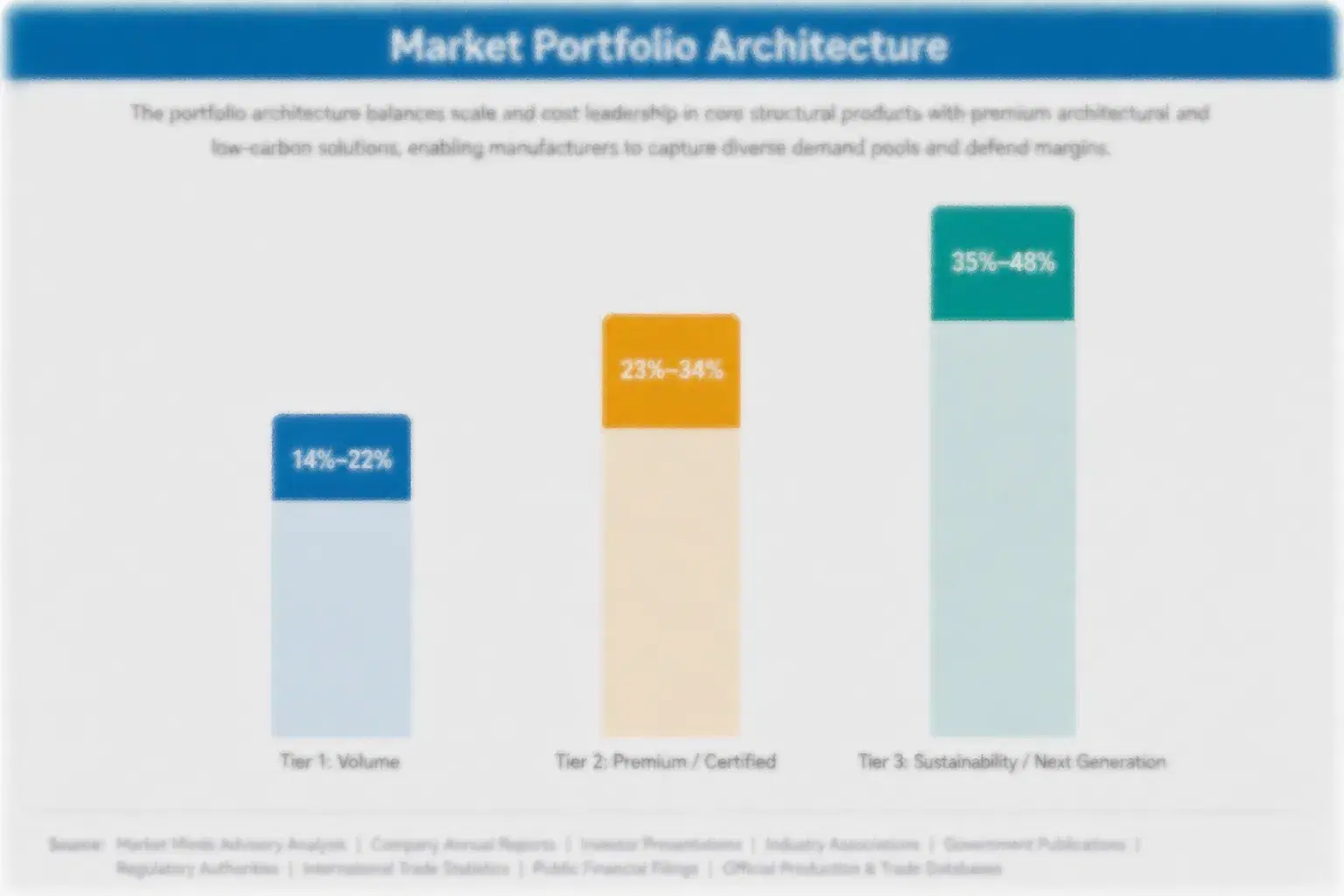
Margin follows thermal difficulty and application scarcity rather than volume. Two and three wheeler catalysts earn thinly at enormous scale against cost-driven Asian competition. Walk-behind and ride-on catalysts earn modestly into a shrinking base. Marine and recreational catalysts earn reasonably on settled specifications. Handheld two-stroke catalysts earn well on thermal engineering difficulty. Small utility engine catalysts earn better on application support content. Generator catalysts earn best, on demand nothing else threatens.
The tension is that volume and margin sit in opposite places and are moving further apart. Asian two-wheeler supply delivers 64% of units at the thinnest margin in the category, while the highest margin work sits in Western applications that are either shrinking or small. A supplier optimising for either alone builds a business that fails in a different way from the one optimising for the other.

High-value pools sit in three places. Generator applications, where growth runs at 8.4% and electrification poses no threat at all. Thermal engineering support for handheld designs, where exotherm problems delay programmes expensively. And utility engine application work in late-adopting markets, where equipment builders have never specified a catalyst and need considerably more help than they expected to.

Volume / Commodity-Adjacent

Two and three wheeler catalysts supplied at very high volume into cost-driven Asian muffler assembly builders. The 10-point range separates suppliers with local production and metal pass-through terms from those importing on fixed unit pricing.
Gross Margin: 12-22%

Premium / Certified

Walk-behind, marine and recreational catalysts supplied against settled specifications and established programme relationships. The 14-point spread reflects how differently a shrinking garden equipment base and a stable marine base support pricing over time.
Gross Margin: 26-40%

Sustainability / Regulatory / Next-Generation

Generator catalysts alongside handheld thermal engineering and utility engine application support in late-adopting markets. The 20-point range is wide because defensible generator supply and intensive application engineering earn on quite different structures.
Gross Margin: 36-56%
emission-control-catalyst-for-small-engines-portfolio-architecture-1787719723666

High-value Sub-segments and Strategic Watch-out

Generator Catalyst Supply

Highest margin and fastest growth at 8.4%, protected by an extended runtime use case that battery storage has not addressed and shows no sign of addressing soon. The risk is that the application is small relative to Asian two-wheeler volume and cannot ever replace it.
Gross Margin: 42-56%

Handheld Thermal Engineering

Strong margin earned on exotherm and shielding problems that delay programmes expensively and that few suppliers solve well. The risk is that the underlying handheld base is being legislated and engineered out of existence in Western markets entirely. That base is simply not coming back.
Gross Margin: 36-48%

Two And Three Wheeler Supply

The volume core at 64% of units, thin on margin but large enough to carry fixed costs and to justify regional manufacturing presence. Suppliers hold it because scale funds everything else, not because the economics stand alone. The economics alone would never justify staying here.
Gross Margin: 12-22%

Western Garden Equipment Exposure

The strategic watch-out. Battery displacement and outright prohibition are removing this demand permanently rather than cyclically. The risk is holding capacity and commercial structure against volume that legislation has already switched off in places. No commercial response anywhere recovers what legislation has already simply removed.
Gross Margin: 10-18%

Volume Without Any Aftermarket

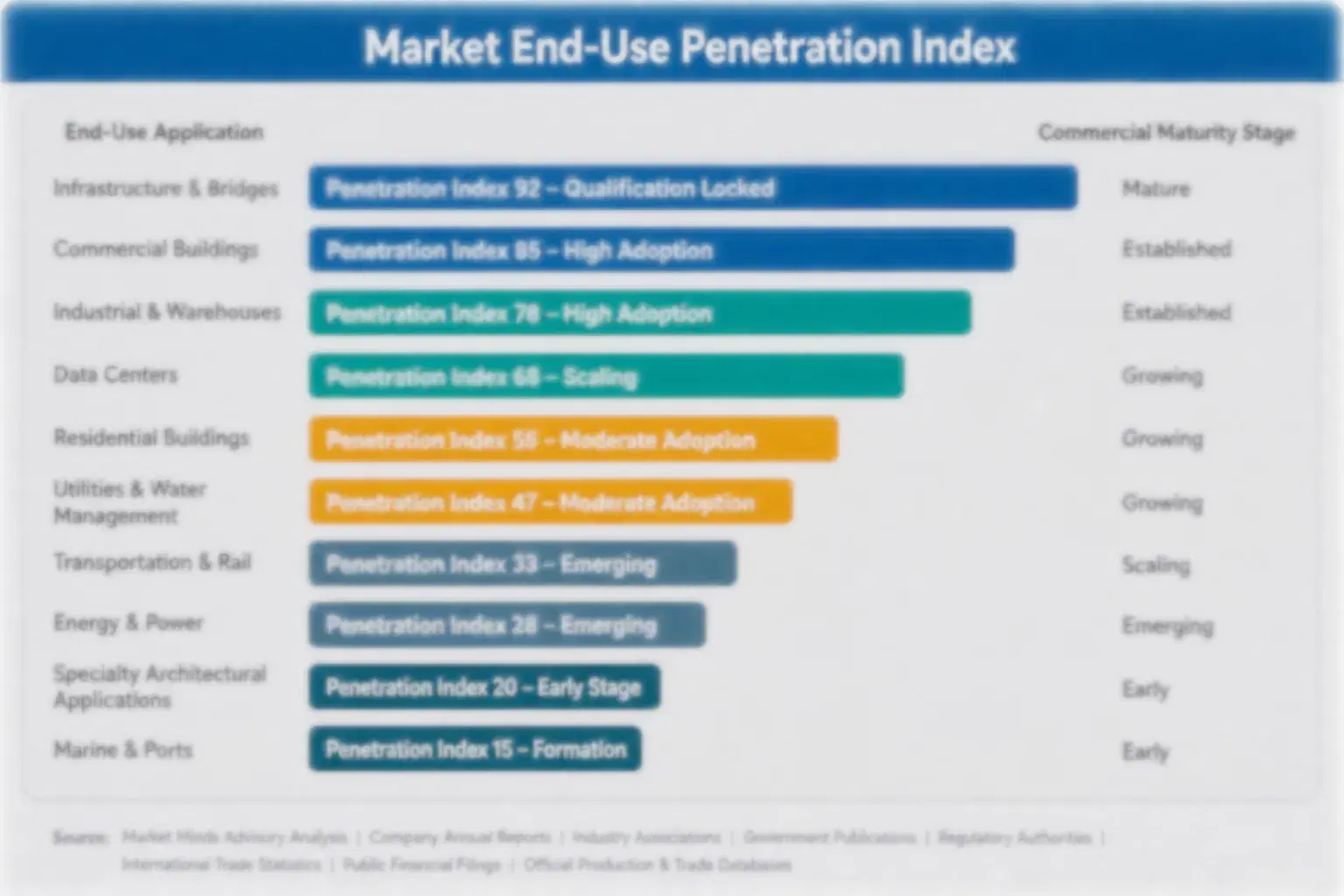
Annuity economics here are weaker than in most component categories and suppliers consistently overestimate them. A small engine catalyst is fitted once and almost never replaced, because the muffler outlives the equipment and nobody services a catalyst on a strimmer. Revenue therefore tracks new equipment production directly with no aftermarket cushion underneath it. When production falls, catalyst demand falls immediately and proportionally, which makes the business more cyclical than it appears.
Adoption depth varies enormously by application and this is where the category divides. Two and three wheelers in Asia carry catalysts on essentially every unit produced under current standards, which makes penetration effectively complete and growth dependent on volume and loading. Generators are approaching similar penetration in regulated markets. Handheld equipment penetration is falling not because catalysts are being removed but because the engines themselves are disappearing from the market.

The buyer has shifted from engine manufacturers toward muffler assembly builders over two decades, and many suppliers have not adjusted to match. Engine makers set the specification, and the assembly builder places the order and negotiates the price. Suppliers still calling on engine manufacturers alone are talking to somebody with technical authority and no purchase order.
emission-control-catalyst-for-small-engines-end-use-penetration-index-1787719724027

Two Markets, One Category

These are among the four positions where our research anticipates prominent divergence between winners and laggards over the coming forecast period. Each is grounded in the demand model, the regulatory perimeter, and the announced capacity pipeline.
01 / ASIAN VOLUME POSITIONING

Two thirds of units sit on two wheels

Around 64% of category units go onto Asian two and three wheelers, and every tightening of standards there raises precious metal loading per unit rather than simply adding yet more units to the total. Suppliers whose commercial organisation still reflects a Western garden equipment market are addressing only a shrinking minority of the whole category. Repositioning requires direct technical presence alongside the Asian muffler assembly builders, which is an entirely different set of relationships from the ones most suppliers hold.
02 / GENERATOR POCKET DEFENCE

The one application battery has not reached

Portable generator and pressure washer catalysts now grow at 8.4% because the whole use case depends on extended runtime rather than on convenience, and battery storage has not yet delivered any of that at any acceptable cost or weight at all. That makes it the only Western demand pool anywhere carrying no electrification threat whatsoever. Suppliers treating it as simply one more small engine line among many are underinvesting in the single genuinely defensible position they have left to hold.
03 / THERMAL ENGINEERING SALE

Heat delays programmes, conversion efficiency does not

Two-stroke scavenging sends roughly 27% of the fuel straight out unburned and the exotherm generated by converting it sits centimetres from an operator's hand and sits directly above dry vegetation. Managing all of that heat is the binding design constraint here, while conversion efficiency was settled years ago and nobody anywhere is waiting on it. Suppliers who bring thermal modelling and shielding design to the muffler builder are solving the one problem that actually goes on costing real programme time.
04 / METAL EXPOSURE CONTRACTING

Nobody pays you to carry palladium risk

Palladium exceeded 2,900 dollars per ounce back in 2022 and fell below 1,000 dollars by 2024, and at 0.4 grams per unit across tens of millions of units that movement is genuinely material in aggregate despite looking trivial on any single individual part. Fixed unit pricing transfers that whole swing onto the supplier for absolutely nothing in return. Pass-through clauses tied to published metal pricing remove it entirely, and that negotiation is a commercial one rather than a technical one.

Engagement Snapshot From the Field

A live engagement with an industry participant carrying material or product regulatory and market exposure ahead of a defining policy shift, showing how our research translates into a defensible multi-year portfolio strategy.
MARKET MINDS ADVISORY · CLIENT ENGAGEMENT SUMMARY
Emission Control Catalyst for Small Engines Producer Strategic Portfolio Review and Transition Roadmap 2026·Investment Scenario on Emission Control Catalyst for Small Engines Exposure Evaluation 2025-26
CLIENT PROFILE
An emission control catalyst supplier serving small engine applications across European and North American markets, with reported small engine catalyst revenue of 74 million dollars (client-reported, unverified by MMA). Roughly 68% came from handheld and walk-behind garden equipment. Asian two and three wheeler presence was limited to a single distributor arrangement with no technical support attached at all.
STRATEGIC CHALLENGE
Garden equipment revenue had declined for three consecutive years as customers moved product ranges to battery platforms, and the California prohibition removed a further block of volume outright. Management was planning cost reduction to defend remaining garden equipment share. That competed harder for a demand base that legislation and battery adoption were removing regardless of price.
MMA APPROACH
MMA analysed the client's revenue against category unit distribution by application and region, a comparison that had never been constructed internally. Twenty-nine expert interviews with muffler assembly builders, engine manufacturers, equipment builders and generator producers established where specification authority and purchasing authority actually sit. The analysis treated Asian volume, generator defensibility and thermal support as the available routes.
KEY FINDINGS
  1. The client held 68% of revenue in applications representing under a fifth of category units, and almost nothing in the two-wheeler applications holding 64% of them.
  2. Generator producers interviewed valued application support highly and reported that no catalyst supplier had ever approached them with dedicated engineering resource attached.
  3. Every commercial relationship the client held was with an engine manufacturer, while purchase orders were placed by muffler assembly builders it had never called on.
  4. Thermal engineering capability the client already held was being given away free during programmes rather than priced as the scarce support it genuinely was.
CLIENT PROFILE
An emission control catalyst supplier serving small engine applications across European and North American markets, with reported small engine catalyst revenue of 74 million dollars (client-reported, unverified by MMA). Roughly 68% came from handheld and walk-behind garden equipment. Asian two and three wheeler presence was limited to a single distributor arrangement with no technical support attached at all.
STRATEGIC CHALLENGE
Garden equipment revenue had declined for three consecutive years as customers moved product ranges to battery platforms, and the California prohibition removed a further block of volume outright. Management was planning cost reduction to defend remaining garden equipment share. That competed harder for a demand base that legislation and battery adoption were removing regardless of price.
MMA APPROACH
MMA analysed the client's revenue against category unit distribution by application and region, a comparison that had never been constructed internally. Twenty-nine expert interviews with muffler assembly builders, engine manufacturers, equipment builders and generator producers established where specification authority and purchasing authority actually sit. The analysis treated Asian volume, generator defensibility and thermal support as the available routes.
KEY FINDINGS
  1. The client held 68% of revenue in applications representing under a fifth of category units, and almost nothing in the two-wheeler applications holding 64% of them.
  2. Generator producers interviewed valued application support highly and reported that no catalyst supplier had ever approached them with dedicated engineering resource attached.
  3. Every commercial relationship the client held was with an engine manufacturer, while purchase orders were placed by muffler assembly builders it had never called on.
  4. Thermal engineering capability the client already held was being given away free during programmes rather than priced as the scarce support it genuinely was.
RECOMMENDED STRATEGY
Phase 1: Phase one: establish direct technical presence with muffler assembly builders, since specification authority and purchasing authority sit in different companies here. Phase 2: Phase two: build a dedicated generator application team before competitors identify the only Western pocket carrying no electrification threat at all. Phase 3: Phase three: price thermal engineering support explicitly rather than absorbing it inside the component pricing on every single programme it runs.
OUTCOME
Direct relationships were established with four muffler assembly builders, two of which placed initial orders within the year (client-reported, unverified by MMA). A generator application team was formed and secured two programme wins. Asian repositioning was deferred pending a manufacturing decision. The cost reduction programme was cancelled, having defended volume that no price could actually retain.

Frequently Asked Questions

Foundational context covering the market sizes, CAGR, scope, country, region and competition that inform every finding below. This section is provided to cover basics and most often pre-purchase conversations, answered from the MMA Primary Research Dataset.

What is the current size of the Emission Control Catalyst for Small Engines Market?

The market was worth 1.9 billion dollars in 2025, covering catalysts for spark-ignition engines below roughly 25 kilowatts. It reaches 2.01 billion dollars in 2026.

How large will the Emission Control Catalyst for Small Engines Market be by 2036?

MMA forecasts 3.47 billion dollars by 2036, an increase of 1.46 billion dollars over the 2026 base. That represents an expansion multiple of 1.73 times across the forecast period.

What is the CAGR for the Emission Control Catalyst for Small Engines Market 2026 to 2036?

The base case compounds at 5.6% annually. The bull case reaches 6.8% on generator demand and faster Asian standards tightening, while the bear case sits at 4.4% on wider battery displacement.

Which segment is growing fastest?

Portable generator and pressure washer catalysts, at 8.4%, half again the market rate of 5.6%. Battery storage has not displaced any application that requires genuinely extended runtime.

Who are the major companies in the Emission Control Catalyst for Small Engines Market?

Umicore, Johnson Matthey, BASF Environmental Catalyst and Metal Solutions, Cataler and Heraeus lead on disclosed small engine catalyst revenue. Chinese suppliers are moving up the specification range.

Which country is growing fastest?

India at 7.6%, driven by two and three wheeler production volume and BS-VI requirements mandating catalysts across essentially all of it. Three-wheeler volumes are frequently overlooked.

Report Segmentation Architecture

The full report scope spans multiple orthogonal segmentation dimensions, with cross-tabulated demand data provided for each dimension pair. Coverage extends further to regional breakdowns, trend trajectories, and the competitive detail needed to support segment-level decision-making.

By Engine Application

  • Two-Wheeler and Three-Wheeler Catalysts
  • Handheld Two-Stroke Equipment Catalysts
  • Walk-Behind and Ride-On Equipment Catalysts
  • Portable Generator and Pressure Washer Catalysts
  • Marine and Recreational Small Engine Catalysts
  • Small Utility and Construction Engine Catalysts

By End-Use Industry

  • Powered Two and Three Wheeler Manufacturing
  • Garden and Lawn Equipment Manufacturing
  • Portable Power Generation Equipment
  • Marine and Recreational Vehicle Manufacturing
  • Construction and Utility Equipment
  • Agricultural Handheld Equipment

By Commercial Dimension

  • Muffler Assembly Builder Supply
  • Direct Engine Manufacturer Supply
  • Distributor and Trader Channels
  • Application Engineering Service Contracts
  • Metal Pass-Through Supply Agreements
  • Regional Contract Manufacturing Supply

By Region

  • North America
  • Western Europe
  • East Asia
  • South Asia and Pacific
  • Latin America
  • Middle East and Africa
  • Eastern Europe

Scope, Methodology, and Coverage

Every figure in this report is reproducible from documented input assumptions. The scope below maps the historical period, the forecast horizon, the segmentation dimensions, and the countries covered, alongside the underlying primary and qualitative methodology.
Historical Period
2020 to 2025
Forecast Period
2026 to 2036
Base Year
2025 (USD billions; MMA Primary Research Dataset, August 2026)
Market Definition
Scope covers catalysed emission control components supplied for small spark-ignition engines rated below approximately 25 kilowatts, spanning coated metallic and ceramic substrates integrated into exhaust mufflers for two and three wheelers, handheld two-stroke equipment, walk-behind and ride-on equipment, portable generators and pressure washers, marine and recreational small engines, and small utility and construction engines. Automotive and heavy-duty vehicle catalysts, diesel oxidation catalysts and particulate filters, selective catalytic reduction systems, complete muffler and exhaust assemblies sold as finished units, standalone precious metal supply, and battery-powered equipment of any kind are excluded from the market size and all derived figures. The forecast follows the standard MMA horizon of 2026 to 2036 rather than any date range appearing in the market title.
Quantitative Units
USD billions (current prices); catalyst units supplied; precious metal loading in grams per unit; muffler skin temperature in degrees Celsius; catalyst cost per unit
Segmentation Dimensions
By Engine Application; By End-Use Industry; By Commercial Dimension; By Region
Regions Covered
North America, Western Europe, East Asia, South Asia and Pacific, Latin America, Middle East and Africa, Eastern Europe
Countries Covered
China, India, Japan, USA, Germany, Italy, Indonesia, Vietnam, Thailand, Brazil, Mexico, Poland, France, Taiwan, South Korea
Key Companies Profiled
Umicore, Johnson Matthey, BASF Environmental Catalyst and Metal Solutions, Cataler, Heraeus, CDTi Advanced Materials, Tenneco, Forvia, Eberspaecher, Sango, Yutaka Giken, Futaba Industrial, Sejong Industrial, Bosal, Katcon, Boysen, Nett Technologies, Interkat, Sinocat Environmental Technology, Wuxi Weifu Lida
Quantitative Methodology
Primary survey, n=3,800 respondents, Q4 2025, six countries; demand-side model with trade association cross-validation
Qualitative Methodology
47 expert interviews, Q4 2025; applied to validate demand model assumptions, identify emerging dynamics, and assess competitive positioning
Report Format
PDF and XLSX data workbook (Word format preview document)
Publisher
Market Minds Advisory
Report Code
MMA-2026-AUT-121
Published
August 2026
Contact
sales@marketmindsadvisory.com | www.marketmindsadvisory.com

Purchase the full Emission Control Catalyst for Small Engines Market Report (2026 to 2036).

The full report runs to 165 pages and covers all six engine application segments, seven regions and 20 profiled suppliers in detail. It includes the complete segment CAGR set, regional analysis of unit volume against value share, and separate demand modelling for the Asian two-wheeler and Western equipment halves of the category. Company profiles carry evaluation on disclosed small engine catalyst revenue, with moat and risk assessment for the top five suppliers. The competitive section extends to 13 tracked regulatory, product and programme developments across 2024 and 2025. Primary research inputs include a quantitative survey of 3,800 respondents and 47 expert interviews conducted in Q4 2025.
Six engine application segments with individual CAGR forecasts
Seven regional markets with unit volume and value comparison
Twenty supplier profiles on consistent revenue evaluation basis
Thirteen tracked regulatory and programme developments with commercial interpretation
Battery displacement modelled separately by application and region
Precious metal exposure assessed across contract structure types

Built For The People Who Decide

From boardroom strategy to bench-side execution, this report is read cover-to-cover by leaders shaping the next decade of their industry, turning demand scenarios, market dynamics and valuation benchmarks into decisions.
CXOs/ Presidents/ VPs/ Managers
M&A and Corporate Development
Strategy Teams and R&D Heads
Procurement and Product Directors
Regulatory and Compliance Leaders
Investor Relations and Equity Analysts