
Market Minds Advisory
Aluminium-Ion Battery Market

Aluminium-Ion Battery Market: Aluminium-Ion Battery Market: An Excellent Theory And A Two Volt Problem

Aluminium is 8% of the earth's crust and carries three charges per ion, which is why the theory is compelling and why a two volt cell has defeated everybody who has tried to commercialise it.

Lead Analyst

Published

August 2026

Make Smarter Decisions with Customized Research Insights

Request a free sample report and evaluate market opportunities, growth trends, and competitive dynamics relevant to your business needs.

2025 MARKET VALUE$0.1BMarket Size 2025
2036 FORECAST VALUE$0.3BBase Case , 2026 to 2036
CAGR 2026 TO 203610.0 %Bull 11.2% / Bear 8.8%
INCREMENTAL OPPORTUNITY$0.2BNet 10- year value creation
EXPANSION MULTIPLE2.64x2036 value over 2026 base
Strategic Levers
M&A Pipeline
Regional Outlook
Country Rankings
Competitive Intelligence
Segmental Deep-dive
Call-Us : 91 93563 13602

Executive Snapshot and Market Trajectory.

This market is almost entirely research money and should be described that way. Roughly 71% of category revenue is research and demonstration funding rather than product sold, which makes every estimate above a few hundred million dollars an exercise in pure and simple optimism.
East Asia takes 30% of value on battery materials capability and pilot line capacity that no other region approaches, with Australian and Indian programmes carrying weight disproportionate to their size. Pilot cell and prototype manufacturing grows at 15.0%, half again the market rate of 10.0%, because moving from a laboratory coin cell to anything resembling a product is where every programme currently sits stuck. Research programme funding grows at roughly half of that pace.
Concentration is only 33% because most participants are universities, institutes and small companies rather than manufacturers. The theoretical case is genuinely excellent and the practical one is not: a working voltage near two volts undermines pack economics regardless of how abundant or cheap the metal itself happens to be. Abundance is real and a small fraction of pack cost, which cannot compensate for arithmetic one level above it entirely.
Market Definition
The market covers research, materials, pilot production and services directed at rechargeable aluminium-ion battery technology, spanning research and development programmes, pilot cell and prototype manufacturing, electrolyte and ionic liquid supply, cathode and anode material development, stationary storage demonstration systems, and testing characterisation and certification services. Aluminium-air primary cells, lithium-ion and sodium-ion batteries, flow batteries, primary aluminium production, and commercial battery manufacturing outside this chemistry are excluded from scope.
Base Year Value
$0.1B in 2025 (MMA Primary Research Dataset, August 2026)
Forecast Period
2026 to 2036, eleven discrete annual values
CAGR
10.0% base case. Bull 11.2%. Bear 8.8%.
Fastest Growth Segment
Pilot Cell and Prototype Manufacturing: 15.0% CAGR
Fastest Growth Country
India: 12.0% CAGR
Fastest Growth Region
South Asia and Pacific: 12.2% CAGR
Largest Region
East Asia: 30% of 2025 global value
Market Leaders
Graphene Manufacturing Group, Albufera Energy Storage, Saturnose, Solvay, Merck KGaA. Source: MMA Analysis based on disclosed aluminium-ion research, materials and pilot production revenue, company annual reports 2025.
Primary Survey
n=3,800 procurement and R&D decision-makers, Q4 2025, six countries
Methodology
Demand-side build-up, cross-validated against public data, 47 expert interviews

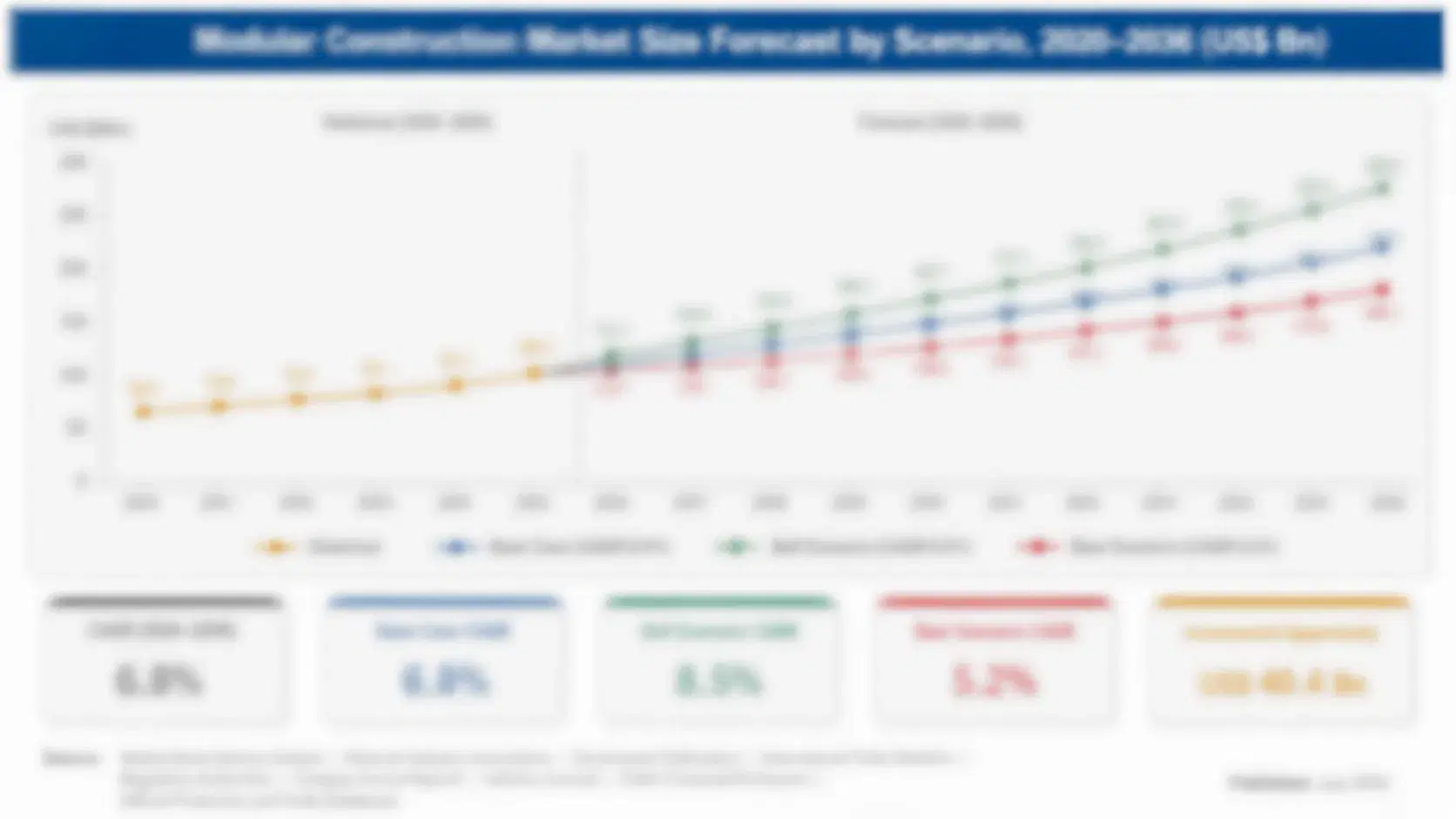
Aluminium-Ion Battery Market Forecast Scenarios

aluminium-ion-battery-market-trends-size-forecast-scenario-1787719711872
Growth from 2020 to 2025 ran at 8.6% and it tracked research funding rather than any product reaching a customer. Published cycle life improved substantially, with the best reported cells completing several thousand charge cycles, and rate capability proved genuinely remarkable in laboratory conditions. None of that translated into commercial cells, because the working voltage did not move and the electrolyte remained expensive, corrosive and hard to handle at scale.
The 10.0% base case rests on three mechanisms. Pilot manufacturing keeps expanding as programmes attempt the step from coin cells to pouch formats. Ionic liquid supply keeps growing because every programme needs it and almost nobody makes it at scale. And stationary storage demonstrations keep attracting funding, since that is the one application where volumetric energy density matters least and abundance matters most. None of the three changes the working voltage.
The bull case at 11.2% assumes a cathode chemistry raising working voltage meaningfully above two volts, which would change the pack arithmetic and attract capital that currently goes elsewhere entirely. The bear case at 8.8% is research funding rotating toward sodium-ion, which offers a more modest theoretical advantage with considerably fewer unsolved problems attached to it.

Abundant Metal, Awkward Cell

The theoretical case for this chemistry is one of the best in energy storage and it has been for a decade. Aluminium is roughly 8% of the earth's crust, already has a mature global recycling industry, and each ion carries three charges rather than one, which gives a volumetric capacity that lithium cannot approach on paper. Nothing about that case has weakened and everything about the practical one has proved harder.
FIVE-FIRM CONCENTRATION33%Share of category revenue held by the largest participants
CELL WORKING VOLTAGE2.0 VOperating voltage the chemistry delivers against lithium alternatives
RESEARCH FUNDING SHARE71%Category revenue derived from research and demonstration programmes
ALUMINIUM CRUSTAL ABUNDANCE8%Share of the earth's crust made of this metal
ELECTROLYTE COST MULTIPLE30 timesIonic liquid cost against conventional lithium electrolyte solvent
DEMONSTRATED CYCLE LIFE7,500Charge cycles the best published cells have completed
The obstacle that has defeated every programme is voltage. Working cells operate near two volts against lithium-ion at well over three, so a pack needs more cells in series for the same terminal voltage, with more interconnects and more failure points. The abundance advantage is real and a small fraction of pack cost, so it cannot compensate for arithmetic one level above.
The electrolyte compounds that. Practical cells use chloroaluminate ionic liquids that cost perhaps thirty times conventional lithium electrolyte solvent, react with moisture, and corrode the ordinary cell hardware everybody else uses. That forces specialised collectors and packaging into a chemistry sold on cheapness. Around 71% of what this market measures is research funding, and calling it anything else misrepresents the technology.
"The metal costs almost nothing and the electrolyte costs a fortune, which is the exact opposite of the story everybody tells about this chemistry. Two volts is the number that has stopped it, and abundance does not fix arithmetic."
Director, Energy Storage Materials Practice · MMA Energy Storage and Advanced Materials Practice · August 2026

Market Trends

Programmes Attempt The Step Beyond Coin Cells

Almost every published result comes from small laboratory cells, and the step to pouch or cylindrical formats is where aluminium-ion programmes have consistently stalled. Pilot manufacturing grows at 15.0% as funding shifts toward that transition rather than toward further coin cell characterisation. Corrosive electrolyte handling at production scale, dry room requirements and specialised current collectors all become real problems only at that point, which is precisely why so few programmes have crossed it. Funding has finally rotated toward that step rather than toward more of what has already been done.
Market Impact: Draws on 8% crustal abundance
Ionic Liquid Supply Becomes Its Own Business

Chloroaluminate electrolytes cost roughly thirty times conventional lithium electrolyte solvent and very few producers make them at any meaningful scale, so a specialty chemicals segment has formed around a battery chemistry that has not commercialised. Growth at 13.5% follows programme count rather than cell production. Suppliers serving this space earn well on tiny volumes, which is a comfortable position while research funding continues and a poor one the moment it does not. Nobody occupying that supply position depends on any particular cell developer eventually succeeding at all in the end.
Market Impact: Grows India fastest at 12.0%

Market Opportunities and Growth Drivers

Abundance And Recycling Remain Genuinely Compelling

Aluminium is roughly 8% of the earth's crust, produced everywhere, and supported by a recycling industry that already recovers it efficiently at scale, which is a supply position lithium and cobalt cannot approach on any measure. Governments funding storage research find that argument persuasive and continue to do so. The case has never been about performance, it has always been about not depending on materials concentrated in a handful of countries. That is precisely why the funding continues despite a whole decade producing nothing that anybody can buy at all.
Market Impact: Operates at 2.0 volts only

Asian And Indian Programmes Fund Alternative Chemistries

Governments across Asia funding storage research deliberately spread across chemistries rather than backing lithium alone, which keeps aluminium-ion programmes financed even without commercial progress. India grows fastest of any country at 12.0% as institutional and private research programmes expand. Materials capability rather than cell design is what those programmes contribute, and the region's battery materials industry gives them access most Western groups have to buy expensively. Programme diversity is a policy position rather than a technical judgement, which is worth understanding before reading too much into any continued funding at all.
Market Impact: Costs 30 times conventional electrolyte

Market Restraints and Challenges

Two Volts Undermines Every Pack Calculation

Cells operate near two volts against lithium-ion at well over three, which means a pack requires substantially more cells in series to reach the same terminal voltage, with proportionally more interconnects, management electronics and failure points. Root cause is the electrochemistry and no engineering fixes it. Commercial impact is that cheap metal cannot compensate for expensive pack architecture. Mitigation depends on cathode chemistry raising working voltage, which remains an unsolved research problem. More cells in series means more interconnects, more electronics and more places for a pack to fail entirely.
Market Impact: Grows pilot production at 15.0%

The Cheap Chemistry Needs An Expensive Electrolyte

Chloroaluminate ionic liquids cost around thirty times conventional lithium electrolyte solvent, react with atmospheric moisture and corrode ordinary cell hardware, which forces specialised current collectors and packaging into a chemistry sold on cheapness. Root cause is that aluminium plating requires that electrolyte class. Commercial impact is a cost position contradicting the entire proposition. Mitigation involves alternative electrolyte research, which has produced interesting papers and nothing anybody can manufacture. A chemistry sold on cheapness that requires the most expensive electrolyte in energy storage is a difficult proposition to explain to anybody.
Market Impact: Costs 30 times lithium electrolyte
3 additional market trends, 2 additional growth drivers, and 4 additional restraints and challenges are covered in the full report. Contact sales@marketmindsadvisory.com to access the complete intelligence.

Segment CAGR and Growth Architecture

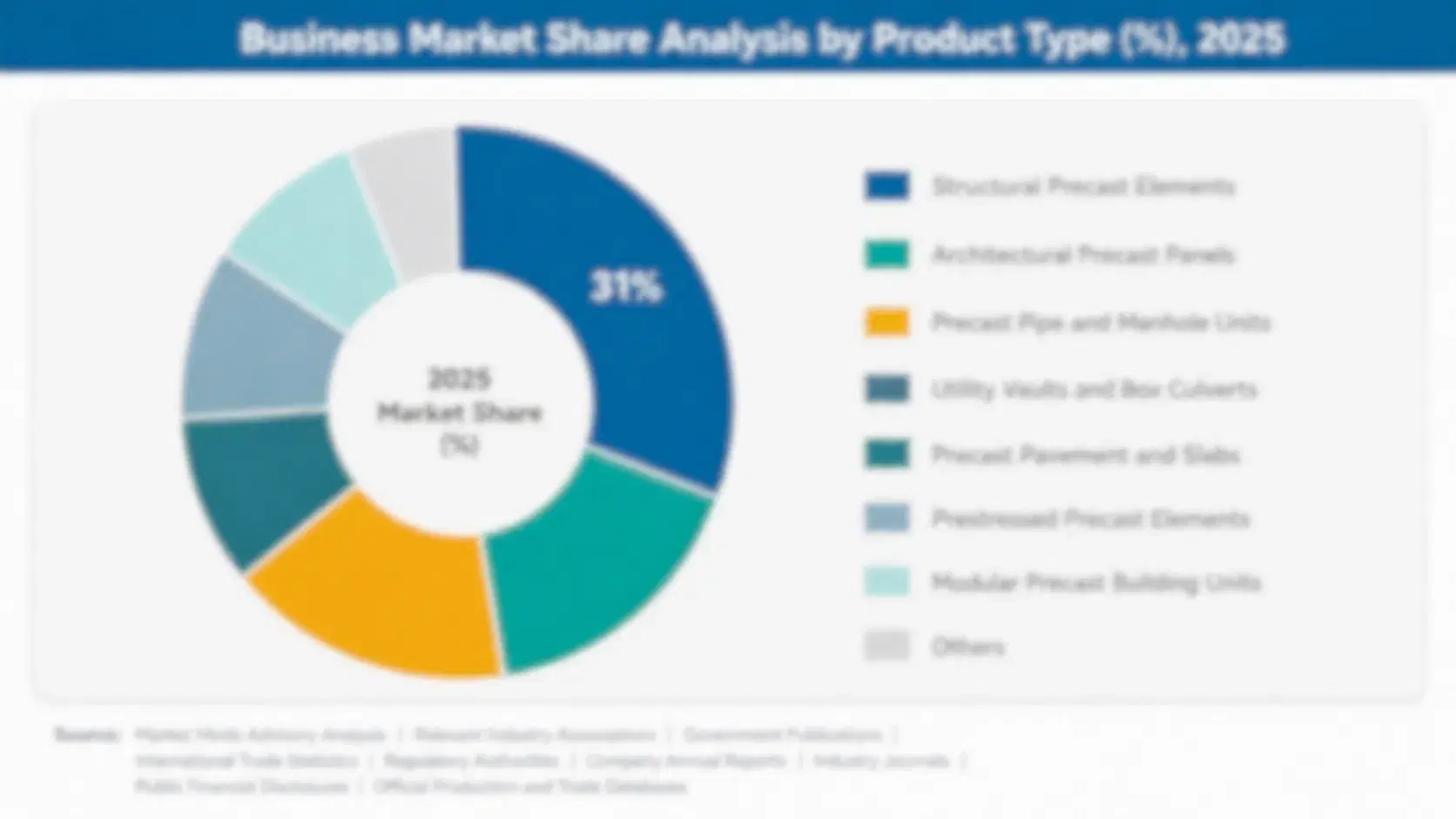
Segmentation follows position in the development chain: what is actually being funded, supplied or performed at each stage from research through pilot production. Six categories cover the market without overlap. Application target, funding source and institution type are treated as separate commercial dimensions throughout this report rather than as segmentation logic in their own right.
aluminium-ion-battery-market-trends-market-share-analysis-1787719712142

Pilot Cell and Prototype Manufacturing

Pilot line construction and prototype cell manufacture grow at 15.0%, half again the market rate of 10.0%, because almost every published result still comes from small laboratory cells and the step to pouch or cylindrical formats is where programmes have consistently stalled for a decade. Corrosive electrolyte handling at scale, dry room operation and specialised current collectors all become genuine engineering problems only at that transition. Funding is shifting toward it precisely because further coin cell characterisation is no longer telling anybody anything new at all. Whether that transition succeeds at all is genuinely open, since the reasons it has not happened yet are physical rather than merely financial ones.
CAGR 15.0%

Electrolyte and Ionic Liquid Supply

Chloroaluminate ionic liquid supply grows at 13.5% because every programme requires it and remarkably few producers make it at any meaningful scale, which has created a specialty chemicals business serving a battery chemistry that has not yet commercialised anything. Unit pricing is high and volumes are tiny, so suppliers earn well while research funding continues. Moisture sensitivity and corrosivity mean handling, packaging and shipping all carry costs that conventional electrolyte supply does not, which suppliers price accordingly and buyers accept. Nobody occupying this position depends on any particular cell developer succeeding, which makes it easily the most comfortable place to stand anywhere in this whole field at all right now today.
CAGR 13.5%
Full segment breakdown across 6 segments available in the complete report.

Regional Architecture and Country Demand Map

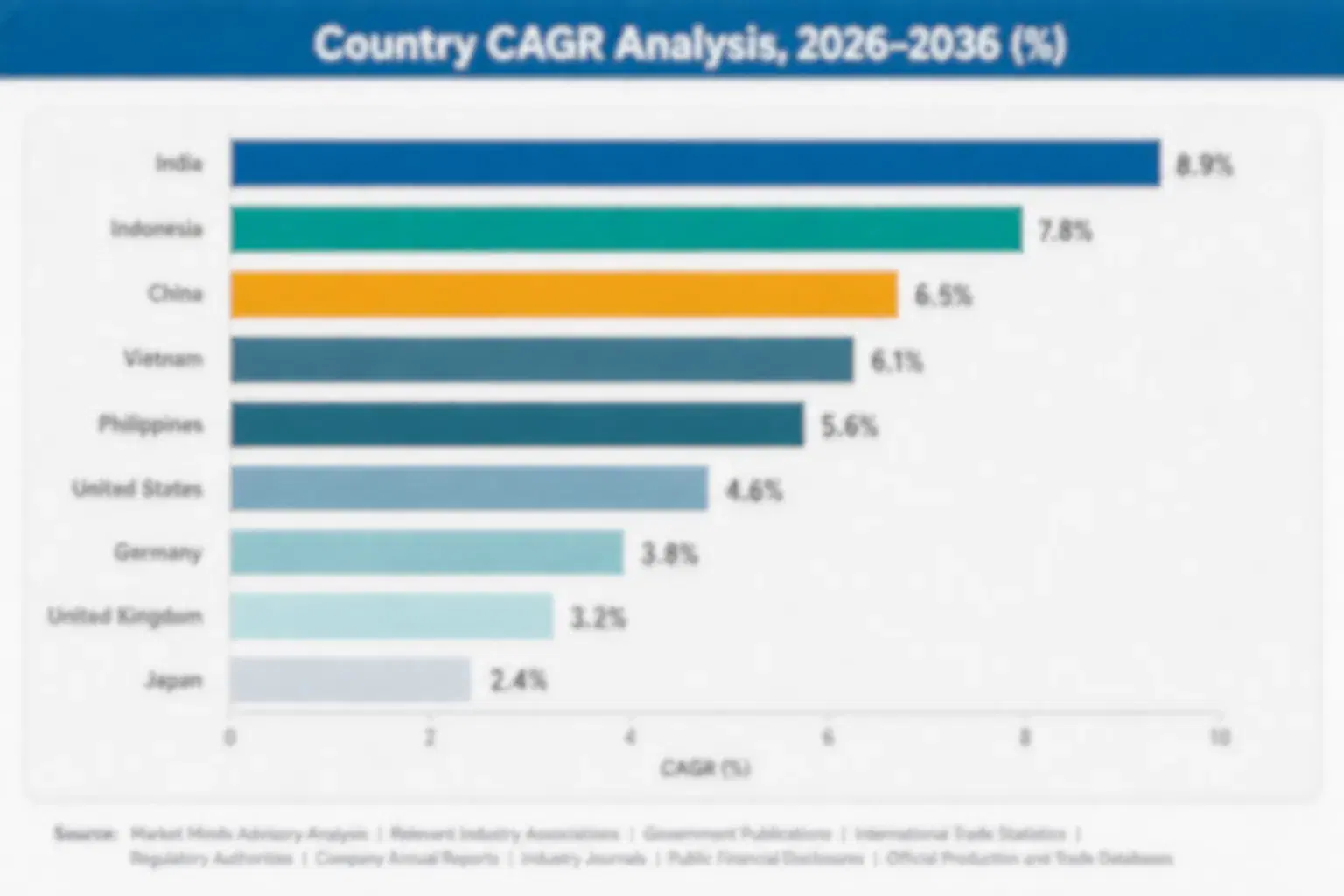
Geography follows battery materials capability and research funding allocation rather than energy demand. East Asia leads on materials and pilot capacity, while Australian and Indian programmes punch well above their size. Energy demand on its own explains remarkably little about where this activity actually sits.

North America

University laboratories carry most of the fundamental work, with federal energy research funding supporting programmes across several institutions that have produced much of the published cycle life and rate capability data the field relies upon. Venture capital interest has cooled considerably as the voltage problem became better understood among investors who had funded early claims enthusiastically. Materials access is a genuine constraint, since ionic liquid and specialist graphite supply mostly comes from elsewhere and arrives at research quantities and research prices. Programme output is dominated by publication rather than by anything approaching a device, and no pilot manufacturing capability for this chemistry exists anywhere across the region at present at all.
Share: 24% | CAGR: 9.2% (2026 to 2036)

Western Europe

Research is concentrated in a small number of institutes and university groups, with Spanish and German programmes among the more active and with European battery research funding spreading deliberately across chemistries rather than backing lithium exclusively. Ionic liquid production capability exists here through specialty chemical producers, which gives regional programmes materials access that North American ones lack. Commercial participation is limited to small companies, and the larger battery manufacturers have shown no visible interest whatsoever. Programme output remains at materials chemistry and small cell characterisation, with no pilot manufacturing capability anywhere and no visible route toward one being funded in the current European research allocation cycle either at all. Nobody plans one.
Share: 22% | CAGR: 8.4% (2026 to 2036)
Regional intelligence for 5 additional markets available in the complete report: East Asia, South Asia and Pacific, Latin America, Middle East and Africa, Eastern Europe. Contact sales@marketmindsadvisory.com.
aluminium-ion-battery-market-trends-country-cagr-analysis-1787719712426

Funding A Pre-Commercial Chemistry Sensibly

Roughly 71% of this market is research funding, cells operate near 2.0 volts, electrolyte costs thirty times the lithium equivalent and the best published cells reach 7,500 cycles. Four levers work on application honesty, materials supply, format transition and cycle life positioning rather than on cost claims, which this particular chemistry cannot currently support.

Target Stationary Storage And Say So

A two volt cell is a serious problem in a vehicle where volumetric energy density decides everything, and a considerably smaller one in a container sitting beside a substation where footprint is cheap. Programmes positioning honestly for stationary application attract funding from bodies that have stopped believing automotive claims from this chemistry. It narrows the addressable story and improves the credibility of the remaining part, which is a trade most programmes have refused to make. A 2 volt cell in a container beside a substation is a different proposition entirely from 1 in a vehicle.
Market Impact: Accepts a 2.0 volt cell in stationary use

Supply Electrolyte Rather Than Chase Cells

Chloroaluminate ionic liquid costs around thirty times lithium electrolyte solvent, almost nobody makes it at scale, and every programme in the field needs it regardless of whether any of them ever commercialise. That is a genuinely profitable position serving research demand today rather than a product market that may never arrive. Specialty chemical producers have understood this considerably better than the cell developers whose success their revenue does not actually depend upon. Volumes measured in kilograms at 30 times lithium electrolyte pricing produce margins no cell developer will ever see.
Market Impact: Sells at some 30 times conventional electrolyte pricing

Fund The Coin Cell To Pouch Transition

Almost every published result comes from small laboratory cells and the step to pouch format is where programmes have stalled for a decade, which makes it the only transition worth funding at this point. Corrosive electrolyte handling, dry room operation and specialised current collectors all become real at that scale. Pilot manufacturing grows at 15.0% because funders have finally concluded that further coin cell work answers nothing anybody still needs answered. Whether that transition actually succeeds is genuinely open, since the reasons it has not yet are physical ones entirely.
Market Impact: Grows pilot manufacturing work at 15.0% each year

Lead With Cycle Life, Not Energy Density

Published cells have reached around 7,500 charge cycles with rate capability that is genuinely remarkable, and neither number depends on the voltage problem that undermines every energy density comparison. A storage application valuing long calendar and cycle life over compactness is a legitimate target. Programmes leading with energy density invite a comparison they lose immediately, while those leading with cycle life start a conversation they can actually continue. A funder comparing chemistries on energy density has already decided before the conversation begins, which is why nobody should invite that comparison.
Market Impact: Leads with a 7,500 cycle life figure instead

Who Controls the Margin Pool

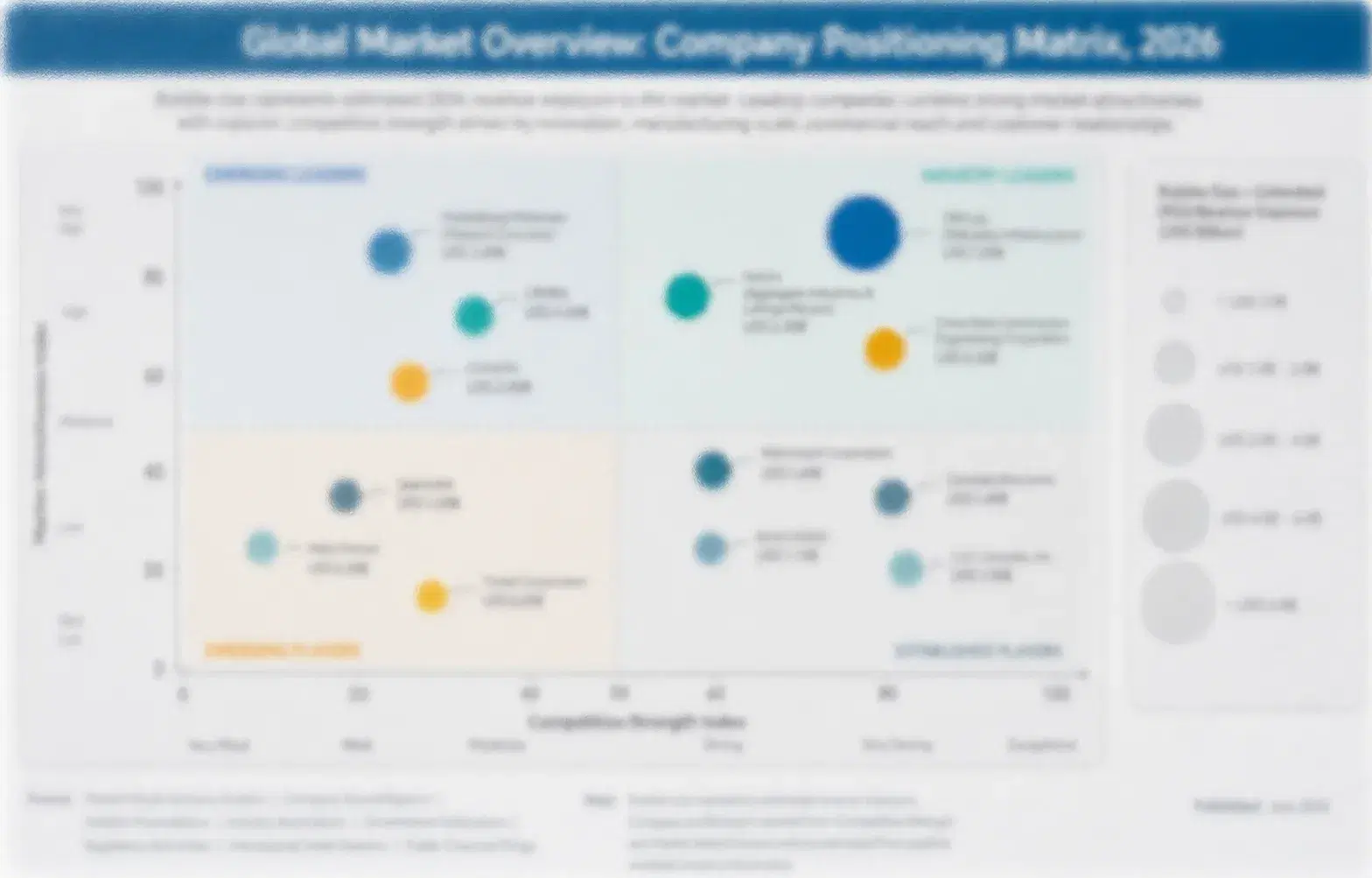
Measured on disclosed aluminium-ion research, materials and pilot production revenue, the five largest participants hold a CR5 of just 33%, which is unsurprising in a field where universities and institutes perform much of the work and no commercial product exists. Graphene Manufacturing Group, Albufera and Saturnose represent the specialist developer cohort, while Solvay and Merck supply the ionic liquid and specialty materials that every programme in the field depends upon entirely. None of the five is selling a cell to anybody.
Three contests define activity. Specialist developers compete for research funding and partnership attention rather than for customers. Materials suppliers compete on availability and purity into a demand base measured in kilograms. And testing services compete on characterisation capability for cells nobody yet sells. Nobody here competes for a customer, because there are none.

Pressure comes from sodium-ion, which offers a smaller theoretical advantage with far fewer unsolved problems and is absorbing funding that might otherwise arrive here. Rankings shift toward whoever crosses from coin cell to pouch format credibly first. Materials suppliers are indifferent to which developer succeeds, which is a comfortable place to stand.
aluminium-ion-battery-market-trends-company-positioning-matrix-1787719712715

Competitive Moat and Risk Dimensions

GRAPHENE MANUFACTURING GROUP

Moat: Graphene Cathode Research Position

The company built a visible aluminium-ion position through graphene cathode work conducted with university partners, which produced published results and partnership attention most participants never achieve. Research credibility of that kind attracts both funding and collaborators. A newer entrant faces a field where reputation is built on published data accumulated over years rather than on any commercial track record.
GRAPHENE MANUFACTURING GROUP

Risk: No Commercial Cell Exists Yet

Research credibility does not become revenue until a cell reaches a customer, and the voltage problem that stops every programme in this chemistry stops this one equally. Funding rounds and partnership announcements are not sales. A field where roughly 71% of revenue is research money is a field where credibility can be maintained indefinitely without anything being manufactured.
SOLVAY

Moat: Ionic Liquid Production Capability

Producing chloroaluminate and related ionic liquids at controlled purity requires specialty chemical capability that very few companies hold, and every programme needs the material regardless of whose cell design succeeds. That position captures value from research activity itself rather than from any commercial outcome. It is also indifferent to which developer wins, which is a comfortable place to stand.
SOLVAY

Risk: Demand Is Research Funding

Volumes measured in kilograms against research budgets mean the entire demand base disappears if funding rotates toward sodium-ion or elsewhere, and there is no commercial floor beneath it at all. High unit pricing on tiny volumes looks attractive until the programmes stop. The business is a bet on continued research rather than on any technology succeeding.

Players Tracked

Prominent Players

Graphene Manufacturing Group
Albufera Energy Storage
Saturnose
Solvay
Merck KGaA

Other Key Players

Flow Aluminum
Ionic Liquids Technologies
BASF
Arkema
Norsk Hydro
Rio Tinto
Imerys Graphite and Carbon
Resonac
Targray
MSE Supplies
NEI Corporation
Xiamen TOB New Energy
Guangdong Canrd
Hohsen
BioLogic

Recent Developments

MARCH 2025

Research group publishes extended cycle life results for graphite cathode cells

A research group published extended cycle life data for aluminium-ion cells using graphite cathodes, reporting several thousand charge cycles with limited capacity fade. This was an academic publication rather than any commercial development, and the cells tested remained small laboratory formats rather than anything approaching a product.
Signal: Cycle life keeps improving while the voltage limitation that actually blocks commercialisation does not move at all.
JULY 2025

Storage research programme funds pilot pouch cell fabrication line

A national energy storage research programme funded pilot pouch cell fabrication capability for alternative chemistries including aluminium-ion. This was a public research funding allocation rather than any commercial investment, and it targeted the format transition where programmes have consistently failed to make any progress at all.
Signal: Funders have concluded that further coin cell characterisation answers nothing anybody still needs to know now.
NOVEMBER 2025

Specialty producer expands chloroaluminate ionic liquid production capacity

A specialty chemical producer expanded chloroaluminate ionic liquid production capacity to serve battery research demand, an organic capacity expansion rather than any acquisition. Volumes remain measured in kilograms and pricing reflects both the specialised handling requirements and the near total absence of any competing suppliers.
Signal: Materials suppliers are profiting handsomely from a chemistry that has commercialised nothing at all so far.

Salts, Graphite And Handling

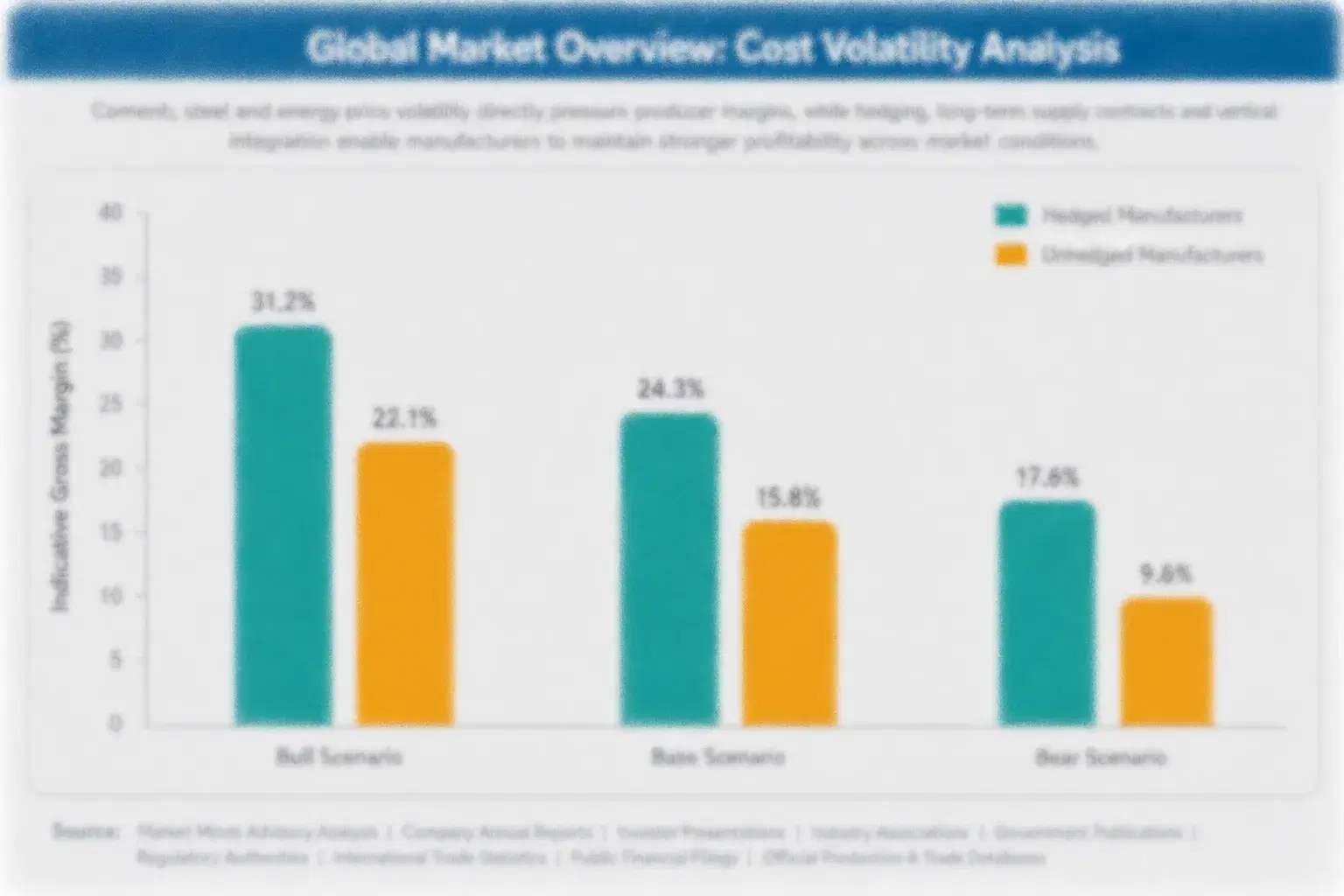
Costs here bear no relation to what a commercial cell would look like. Aluminium chloride and imidazolium chloride salts, specialist graphite and graphene cathode material, aluminium foil, corrosion-resistant current collectors and cell hardware, and dry room operation together account for 54 to 68% of pilot cell cost. Electrolyte alone dominates, running roughly thirty times conventional lithium electrolyte solvent because volumes are tiny and purity requirements are demanding.
Two supply constraints matter. Graphite export licensing introduced by China from late 2023 affects specialist graphite and graphene precursor availability, which Ministry of Commerce China notifications record clearly, and programmes purchasing small quantities sit at the back of every queue. Aluminium pricing moved sharply across the same period, which United States Geological Survey commodity data documents, though aluminium is a trivial share of cost here.

Exposure divides by whether a participant makes materials or consumes them. Ionic liquid producers hold pricing power over a captive research base with no alternative supplier and no substitute chemistry. Cell developers carry the full cost of every input at research quantities and research prices, which makes their cost per cell meaningless as a guide to manufacturing economics. Testing providers carry equipment depreciation and almost no material exposure.
aluminium-ion-battery-market-trends-cost-volatility-analysis-1787719713003

Secure specialist graphite supply ahead of licensing changes

Graphite export licensing affects the specialist grades and graphene precursors that cathode work depends upon, and research programmes buying kilogram quantities have no standing in any allocation decision made under it. Holding stock costs working capital against uncertain programme timelines. It prevents the situation where a funded programme stops because a material nobody thought about became unobtainable for two quarters.

Develop internal ionic liquid synthesis capability

Chloroaluminate electrolyte at roughly thirty times lithium solvent pricing dominates pilot cell cost and comes from producers with no competitive pressure on them whatsoever. Internal synthesis costs chemistry capability and handling infrastructure that a cell development programme has no natural reason to build. It removes a cost line that makes published cell economics meaningless as any guide to production.

Design cell hardware around electrolyte corrosivity early

Chloroaluminate liquids attack the ordinary current collectors, casings and seals that every other cell chemistry uses without a second thought, and discovering that during pilot scale-up wastes months of programme time. Corrosion-resistant materials cost more and constrain design choices considerably. Designing for them from the outset is far cheaper than the redesign that follows finding out at pouch format.

Portfolio Architecture for Margin Defence

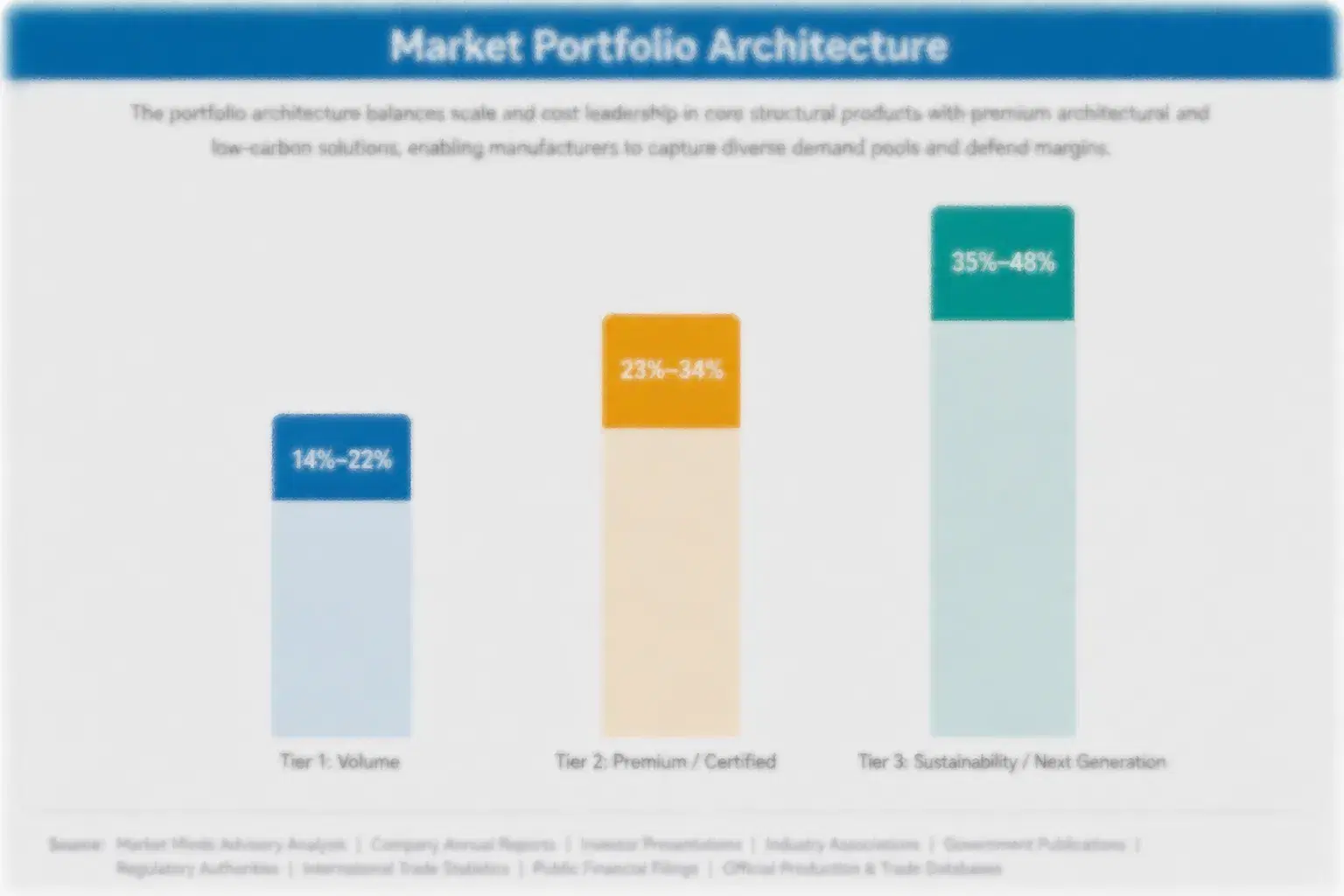
Margin follows scarcity of supply rather than proximity to a product, which is what happens in a pre-commercial field. Research programme funding earns nothing in any commercial sense and is not meant to. Stationary demonstration systems earn thinly on grant economics. Cathode and anode material development earns moderately. Pilot manufacturing earns reasonably on scarce capability. Testing and characterisation services earn well on equipment nobody else has. Ionic liquid supply earns best of anything by a wide margin.
The tension is that the profitable position depends entirely on the unprofitable one continuing. Electrolyte suppliers earn well because programmes buy at research prices, and those programmes are funded by bodies expecting eventual commercialisation that has not arrived in a decade. Nobody here is selling a product to a customer who wants one, which is worth stating plainly rather than presenting research funding as revenue.

High-value pools sit in three places. Ionic liquid and specialty electrolyte supply, which captures value from research activity itself regardless of outcome. Testing and characterisation capability, which every programme needs and few possess. And pilot manufacturing capability, which is the transition funders are now paying for and which very few groups anywhere can actually perform.

Volume / Commodity-Adjacent

Research programme execution and stationary demonstration systems funded on grant economics rather than commercial terms. The 10-point range separates programmes with industrial partners contributing materials in kind from those purchasing everything at research quantities and prices.
Gross Margin: 8-18%

Premium / Certified

Cathode and anode material development alongside pilot cell and prototype manufacturing capability. The 14-point spread reflects how differently contract development work and internally funded programme capability recover cost across uncertain timelines.
Gross Margin: 28-42%

Sustainability / Regulatory / Next-Generation

Ionic liquid and electrolyte supply together with testing characterisation and certification services. The 28-point range is wide because captive specialty chemical pricing and equipment-based service pricing operate on entirely unrelated economics within one tier.
Gross Margin: 48-76%
aluminium-ion-battery-market-trends-portfolio-architecture-1787719713296

High-value Sub-segments and Strategic Watch-out

Ionic Liquid And Electrolyte Supply

Highest margin in the category, priced at roughly thirty times lithium electrolyte solvent into a captive research base with no alternative supplier at all. The risk is that the entire demand base is research funding that could rotate to another chemistry within a single budget cycle.
Gross Margin: 66-76%

Testing And Characterisation Services

Strong economics from equipment and expertise that every programme requires and remarkably few groups possess anywhere in the field. The risk is that demand tracks programme count directly, so a funding rotation removes the customer base as quickly as it arrived. Programme count is the only demand signal.
Gross Margin: 52-64%

Pilot Manufacturing Capability

Fastest growth at 15.0% as funders redirect money toward the coin cell to pouch transition where every programme has stalled for a decade. The risk is that the transition may simply fail, since the reasons it has not happened yet are physical rather than financial.
Gross Margin: 30-42%

Research Funding Dependence

The strategic watch-out. Roughly 71% of this market is research money and sodium-ion offers a smaller theoretical prize with far fewer unsolved problems attached. The risk is a funding rotation that removes most of the category within two or three years. Funders notice that comparison more each year.
Gross Margin: 8-18%

Grants, Not Customers

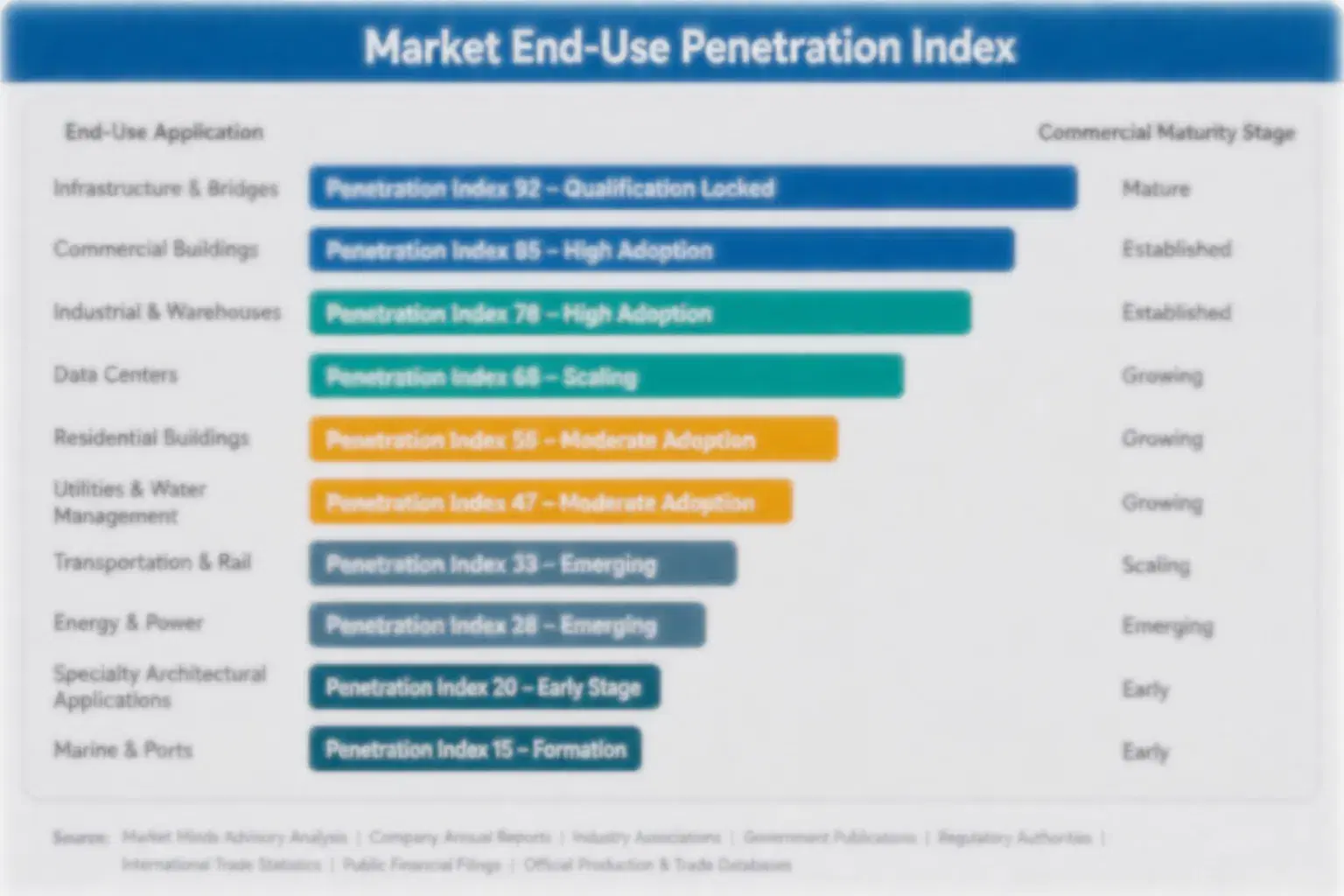
Demand here is a funding decision rather than a purchase, which changes everything about how the market behaves. Roughly 71% of category revenue arrives as research grants, institutional budgets and demonstration programme allocations, none of which involves anybody wanting the product for its own sake. That produces revenue predictable across a funding cycle and gone at the end of one, with no installed base underneath it.
Stickiness therefore rests on programme continuity and on materials dependency. A research group midway through a funded programme keeps buying the same electrolyte from the same supplier because changing materials invalidates comparison with its own earlier results. Testing service relationships persist for the same reason. Nothing here is sticky in any commercial sense, since the underlying commitment is a grant with an end date rather than a business with a plan.

The buyer is a funding body deciding between chemistries rather than a customer deciding between products. Those bodies weigh theoretical promise, published progress and portfolio balance across technologies, which is why aluminium-ion continues to receive money despite a decade without commercial progress. Sodium-ion competes for that money with a smaller prize and fewer unsolved problems, and funders notice.
aluminium-ion-battery-market-trends-end-use-penetration-index-1787719713576

Sell To The Research

These are among the four positions where our research anticipates prominent divergence between winners and laggards over the coming forecast period. Each is grounded in the demand model, the regulatory perimeter, and the announced capacity pipeline.
01 / APPLICATION HONESTY DISCIPLINE

Two volts is fatal in a car, tolerable beside a substation

A working voltage of near two volts is a serious problem in a vehicle where volumetric energy density decides the entire proposition, and a considerably smaller one in a container sitting beside a substation where the physical footprint costs almost nothing at all. Programmes that position honestly for stationary application attract funding from bodies that stopped believing automotive claims from this particular chemistry years ago. It narrows the addressable story considerably and improves the credibility of everything that remains afterwards.
02 / MATERIALS POSITION PRIORITY

Sell the electrolyte, not the promise

Chloroaluminate ionic liquid costs roughly around thirty times conventional lithium electrolyte solvent, almost nobody produces it at any meaningful scale, and every single programme in the field requires it whether or not any of them ever commercialise anything at all. That is a genuinely profitable position serving a demand that exists today rather than a product market that may very well never arrive. Specialty chemical producers have understood this considerably better than the cell developers themselves have ever managed to.
03 / FORMAT TRANSITION FOCUS

Coin cells have told us everything they can

Almost every published aluminium-ion result still comes today from small laboratory cells, and the step to pouch or cylindrical format is precisely where these programmes have stalled repeatedly for the better part of a whole decade now. Corrosive electrolyte handling, dry room operation and specialised current collectors together all become genuinely real engineering problems only at that one particular scale. Pilot manufacturing grows at 15.0% because funders have finally concluded that further coin cell work answers nothing anybody still needs.
04 / CYCLE LIFE POSITIONING

Lead with the number that actually wins

Published cells have now reached around 7,500 charge cycles with rate capability that is genuinely remarkable, and neither of those two figures depends on the voltage limitation that loses every energy density comparison immediately and permanently. A storage application valuing long cycle and calendar life above physical compactness is a legitimate and entirely defensible target. Programmes leading with energy density invite a comparison they simply cannot win, while cycle life starts a conversation that is actually worth having with somebody.

Engagement Snapshot From the Field

A live engagement with an industry participant carrying material or product regulatory and market exposure ahead of a defining policy shift, showing how our research translates into a defensible multi-year portfolio strategy.
MARKET MINDS ADVISORY · CLIENT ENGAGEMENT SUMMARY
Aluminium-Ion Battery Producer Strategic Portfolio Review and Transition Roadmap 2026·Investment Scenario on Aluminium-Ion Battery Exposure Evaluation 2025-26
CLIENT PROFILE
An advanced battery developer pursuing aluminium-ion cell technology with research partnerships across European and Asian institutions, with reported programme and grant revenue of 14 million dollars (client-reported, unverified by MMA). Roughly 88% came from public research funding. No commercial cell had been produced and all published results came from small laboratory cell formats alone only.
STRATEGIC CHALLENGE
Two funding bodies had questioned continued support after a decade without commercial progress, while sodium-ion programmes competing for the same allocations were showing pilot production results. Management was preparing an automotive application claim to attract private capital. That invited a direct energy density comparison the chemistry loses immediately and would have damaged credibility with the funders still supporting it.
MMA APPROACH
MMA analysed programme funding by source against published output and stated application targets, alongside comparison with sodium-ion programmes competing for identical allocations. Nineteen expert interviews with funding body assessors, electrochemists, materials suppliers and storage system integrators established what actually persuades a funder to continue. The analysis treated application honesty and format transition rather than private capital attraction as the routes available.
KEY FINDINGS
  1. Funding assessors interviewed cited the absence of any pouch format result as their principal concern, and none of them mentioned energy density at all.
  2. Sodium-ion programmes competing for the same allocations had reached pilot production, which assessors were using as the comparison benchmark for measuring progress.
  3. Storage system integrators expressed genuine interest in cycle life and rate capability, and no interest whatever in the volumetric energy density figures being published.
  4. An automotive positioning claim would have invited exactly the comparison the chemistry loses, in front of assessors who had already read the sodium-ion submissions.
CLIENT PROFILE
An advanced battery developer pursuing aluminium-ion cell technology with research partnerships across European and Asian institutions, with reported programme and grant revenue of 14 million dollars (client-reported, unverified by MMA). Roughly 88% came from public research funding. No commercial cell had been produced and all published results came from small laboratory cell formats alone only.
STRATEGIC CHALLENGE
Two funding bodies had questioned continued support after a decade without commercial progress, while sodium-ion programmes competing for the same allocations were showing pilot production results. Management was preparing an automotive application claim to attract private capital. That invited a direct energy density comparison the chemistry loses immediately and would have damaged credibility with the funders still supporting it.
MMA APPROACH
MMA analysed programme funding by source against published output and stated application targets, alongside comparison with sodium-ion programmes competing for identical allocations. Nineteen expert interviews with funding body assessors, electrochemists, materials suppliers and storage system integrators established what actually persuades a funder to continue. The analysis treated application honesty and format transition rather than private capital attraction as the routes available.
KEY FINDINGS
  1. Funding assessors interviewed cited the absence of any pouch format result as their principal concern, and none of them mentioned energy density at all.
  2. Sodium-ion programmes competing for the same allocations had reached pilot production, which assessors were using as the comparison benchmark for measuring progress.
  3. Storage system integrators expressed genuine interest in cycle life and rate capability, and no interest whatever in the volumetric energy density figures being published.
  4. An automotive positioning claim would have invited exactly the comparison the chemistry loses, in front of assessors who had already read the sodium-ion submissions.
RECOMMENDED STRATEGY
Phase 1: Phase one: reposition explicitly toward stationary storage, abandoning automotive claims that invite a comparison this chemistry simply cannot ever win. Phase 2: Phase two: redirect programme funding toward pouch format fabrication, since that transition is what assessors are actually measuring progress against. Phase 3: Phase three: lead all published material with cycle life and rate capability rather than with any energy density figure at all.
OUTCOME
Both funding bodies renewed support following the repositioned submission, which management had considered unlikely. Pouch format work began and produced a first result within the period (client-reported, unverified by MMA). Two storage integrators opened technical discussions on the basis of cycle life data. The automotive claim was abandoned, having been the one proposal that would have made things worse.

Frequently Asked Questions

Foundational context covering the market sizes, CAGR, scope, country, region and competition that inform every finding below. This section is provided to cover basics and most often pre-purchase conversations, answered from the MMA Primary Research Dataset.

What is the current size of the Aluminium-Ion Battery Market?

The market was worth 0.1 billion dollars in 2025, covering research programmes, pilot manufacturing, electrolyte supply, materials development, demonstrations and testing. It reaches 0.11 billion dollars in 2026.

How large will the Aluminium-Ion Battery Market be by 2036?

MMA forecasts 0.29 billion dollars by 2036, an increase of 0.18 billion dollars over the 2026 base. That represents an expansion multiple of 2.64 times across the forecast period.

What is the CAGR for the Aluminium-Ion Battery Market 2026 to 2036?

The base case compounds at 10.0% annually. The bull case reaches 11.2% if cathode chemistry raises working voltage, while the bear case sits at 8.8% on research funding rotating toward sodium-ion.

Which segment is growing fastest?

Pilot cell and prototype manufacturing, at 15.0%, half again the market rate of 10.0%. The step from laboratory coin cells to pouch format is where every programme has stalled.

Who are the major companies in the Aluminium-Ion Battery Market?

Graphene Manufacturing Group, Albufera Energy Storage, Saturnose, Solvay and Merck KGaA lead on disclosed research, materials and pilot production revenue. BASF and Arkema supply specialty materials.

Which country is growing fastest?

India at 12.0%, as institutional and private research programmes expand under national storage initiatives funding several chemistries. Materials access there is improving as domestic capability builds.

Report Segmentation Architecture

The full report scope spans multiple orthogonal segmentation dimensions, with cross-tabulated demand data provided for each dimension pair. Coverage extends further to regional breakdowns, trend trajectories, and the competitive detail needed to support segment-level decision-making.

By Development Stage

  • Research and Development Programmes
  • Pilot Cell and Prototype Manufacturing
  • Electrolyte and Ionic Liquid Supply
  • Cathode and Anode Material Development
  • Stationary Storage Demonstration Systems
  • Testing Characterisation and Certification Services

By End-Use Industry

  • Grid and Stationary Storage
  • Universities and Research Institutes
  • Government Energy Programmes
  • Consumer and Portable Electronics Research
  • Industrial Backup Power
  • Materials and Chemical Supply

By Commercial Dimension

  • Public Research Grant Funding
  • Institutional Programme Budgets
  • Venture and Private Capital
  • Corporate Research Partnership
  • Materials Merchant Supply
  • Contract Testing and Services

By Region

  • North America
  • Western Europe
  • East Asia
  • South Asia and Pacific
  • Latin America
  • Middle East and Africa
  • Eastern Europe

Scope, Methodology, and Coverage

Every figure in this report is reproducible from documented input assumptions. The scope below maps the historical period, the forecast horizon, the segmentation dimensions, and the countries covered, alongside the underlying primary and qualitative methodology.
Historical Period
2020 to 2025
Forecast Period
2026 to 2036
Base Year
2025 (USD billions; MMA Primary Research Dataset, August 2026)
Market Definition
Scope covers research activity, materials supply, pilot production capability and technical services directed specifically at rechargeable aluminium-ion battery technology, spanning research and development programmes, pilot cell and prototype manufacturing, chloroaluminate electrolyte and ionic liquid supply, cathode and anode material development including graphite and graphene work, stationary storage demonstration systems, and testing characterisation and certification services. Aluminium-air primary cells and mechanically refuelled systems, lithium-ion sodium-ion and other battery chemistries, redox flow batteries, primary aluminium smelting and refining, general specialty chemical supply outside this application, and commercial battery manufacturing of any other chemistry are excluded from the market size and all derived figures.
Quantitative Units
USD billions (current prices); programmes funded; cells fabricated; electrolyte kilograms supplied; demonstrated charge cycles
Segmentation Dimensions
By Development Stage; By End-Use Industry; By Commercial Dimension; By Region
Regions Covered
North America, Western Europe, East Asia, South Asia and Pacific, Latin America, Middle East and Africa, Eastern Europe
Countries Covered
China, USA, Japan, Germany, Australia, India, South Korea, Spain, UK, France, Canada, Brazil, Poland, Saudi Arabia, South Africa
Key Companies Profiled
Graphene Manufacturing Group, Albufera Energy Storage, Saturnose, Solvay, Merck KGaA, Flow Aluminum, Ionic Liquids Technologies, BASF, Arkema, Norsk Hydro, Rio Tinto, Imerys Graphite and Carbon, Resonac, Targray, MSE Supplies, NEI Corporation, Xiamen TOB New Energy, Guangdong Canrd, Hohsen, BioLogic
Quantitative Methodology
Primary survey, n=3,800 respondents, Q4 2025, six countries; demand-side model with trade association cross-validation
Qualitative Methodology
47 expert interviews, Q4 2025; applied to validate demand model assumptions, identify emerging dynamics, and assess competitive positioning
Report Format
PDF and XLSX data workbook (Word format preview document)
Publisher
Market Minds Advisory
Report Code
MMA-2026-ENE-121
Published
August 2026
Contact
sales@marketmindsadvisory.com | www.marketmindsadvisory.com

Purchase the full Aluminium-Ion Battery Market Report (2026 to 2036).

The full report runs to 130 pages and covers all six development stage segments, seven regions and 20 profiled participants in detail. It includes the complete segment CAGR set, regional research funding and materials capability comparison, and an assessment of published cell performance against the working voltage limitation constraining commercialisation. Company profiles carry evaluation on disclosed aluminium-ion research, materials and pilot production revenue, with moat and risk assessment for the top five participants. The competitive section extends to 9 tracked publication, funding and capacity developments across 2024 and 2025. Primary research inputs include a quantitative survey of 3,800 respondents and 47 expert interviews conducted in Q4 2025.
Six development stage segments with individual CAGR forecasts
Seven regional markets with research funding and materials comparison
Twenty participant profiles on consistent revenue evaluation basis
Nine tracked funding and publication developments with commercial interpretation
Published cell performance assessed against working voltage limitations
Research funding dependence quantified across the whole category

Built For The People Who Decide

From boardroom strategy to bench-side execution, this report is read cover-to-cover by leaders shaping the next decade of their industry, turning demand scenarios, market dynamics and valuation benchmarks into decisions.
CXOs/ Presidents/ VPs/ Managers
M&A and Corporate Development
Strategy Teams and R&D Heads
Procurement and Product Directors
Regulatory and Compliance Leaders
Investor Relations and Equity Analysts