
Market Minds Advisory
Allen Key Market 2025-2035

Allen Key Market 2025-2035: Allen Key Market: Mostly Given Away, Occasionally Sold

Roughly 61% of these are supplied free inside product packaging at about four cents each, and the ones that fail destroy the fastener they are turning rather than themselves at all.

Lead Analyst

Published

August 2026

Make Smarter Decisions with Customized Research Insights

Request a free sample report and evaluate market opportunities, growth trends, and competitive dynamics relevant to your business needs.

2025 MARKET VALUE$1.1BMarket Size 2025
2036 FORECAST VALUE$2.2BBase Case , 2026 to 2036
CAGR 2026 TO 20366.6 %Bull 7.8% / Bear 5.4%
INCREMENTAL OPPORTUNITY$1.1BNet 10- year value creation
EXPANSION MULTIPLE1.90x2036 value over 2026 base
Strategic Levers
M&A Pipeline
Regional Outlook
Country Rankings
Competitive Intelligence
Segmental Deep-dive
Call-Us : 91 93563 13602

Executive Snapshot and Market Trajectory.

Most hex keys are never sold to anybody. Around 61% are supplied inside product packaging at roughly four cents each, bought by furniture and appliance manufacturers who will never see the customer using them and who specify almost nothing. Nobody chooses them and nobody complains.
East Asia takes 30% of value because Chinese and Taiwanese manufacture dominates production of both the packaged keys and the branded tools, and because the furniture and appliance makers buying the packaged half sit in the same region. Torque-limiting and precision hex drivers grow at 9.9%, half again the market rate of 6.6%, where a fastener specification actually matters. L-shaped keys themselves grow at rather under half of that same pace entirely.
Concentration is only 26%, among the lowest in hand tools, because a hex key is a piece of shaped bar stock. The commercial insight everybody misses is that a key undersized by 0.05 millimetres rounds the socket, so the cheap tool destroys an expensive assembly rather than merely failing itself. The tool survives intact and the assembly around it does not, which inverts the usual quality argument here.
Market Definition
The market covers hexagonal drive hand tools and their power tool equivalents, spanning L-shaped hex keys and sets, keys packaged with assembled products, hex bits and power tool formats, T-handle and P-handle keys, folding and multi-key tools, and torque-limiting and precision hex drivers. Torx and other non-hexagonal drive systems, socket wrenches and ratchets, the fasteners themselves, powered drivers and impact tools, and general hand tool ranges outside hexagonal drive are excluded from scope.
Base Year Value
$1.1B in 2025 (MMA Primary Research Dataset, August 2026)
Forecast Period
2026 to 2036, eleven discrete annual values
CAGR
6.6% base case. Bull 7.8%. Bear 5.4%.
Fastest Growth Segment
Torque-Limiting and Precision Hex Drivers: 9.9% CAGR
Fastest Growth Country
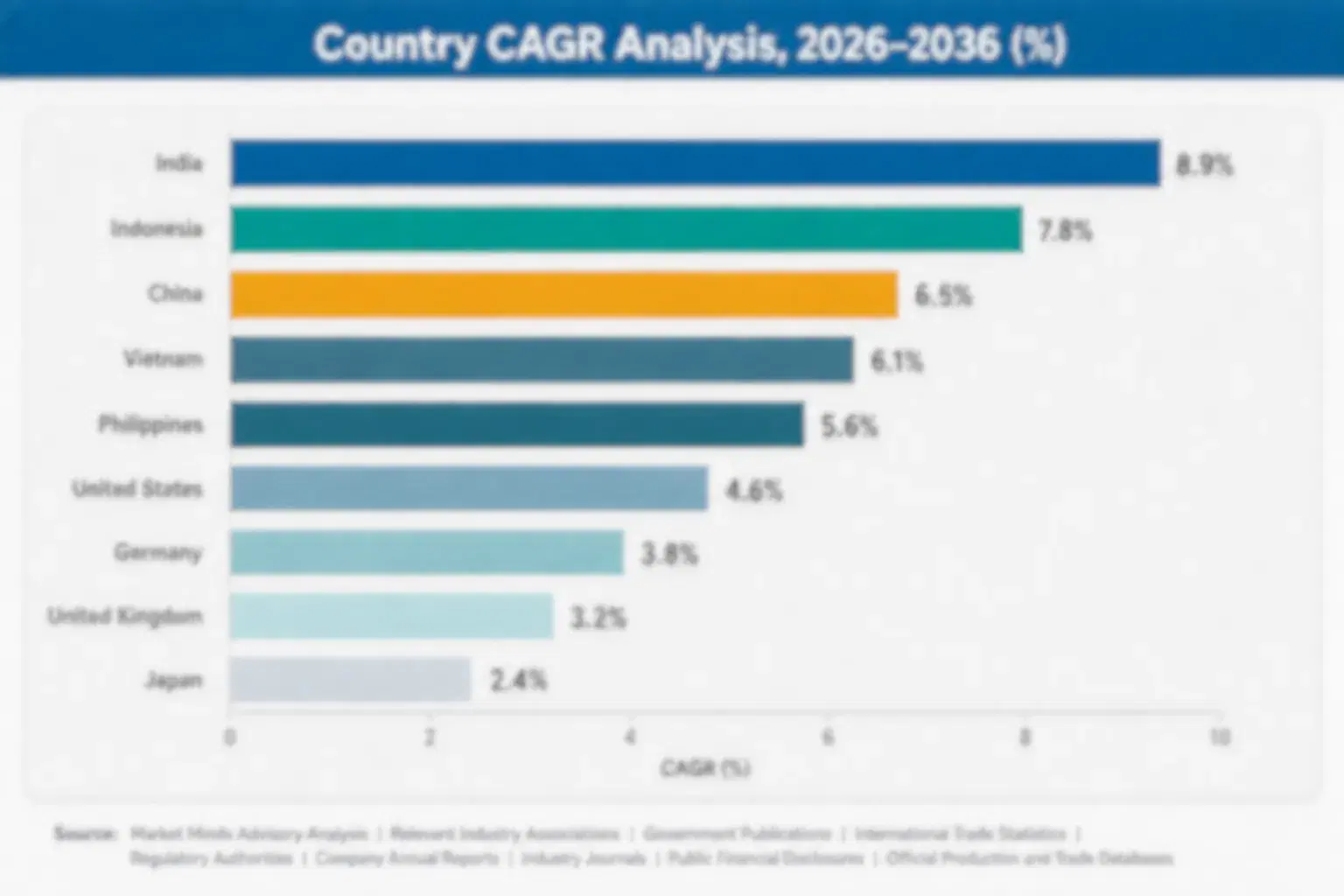
India: 8.6% CAGR
Fastest Growth Region
South Asia and Pacific: 8.8% CAGR
Largest Region
East Asia: 30% of 2025 global value
Market Leaders
Bondhus, Wera, Wiha, Stanley Black & Decker, Snap-on. Source: MMA Analysis based on disclosed hand tool and hex driver revenue, company annual reports 2025.
Primary Survey
n=3,800 procurement and R&D decision-makers, Q4 2025, six countries
Methodology
Demand-side build-up, cross-validated against public data, 47 expert interviews

Allen Key Market Forecast Scenarios

allen-key-market-trends-size-forecast-scenario-1787719708144
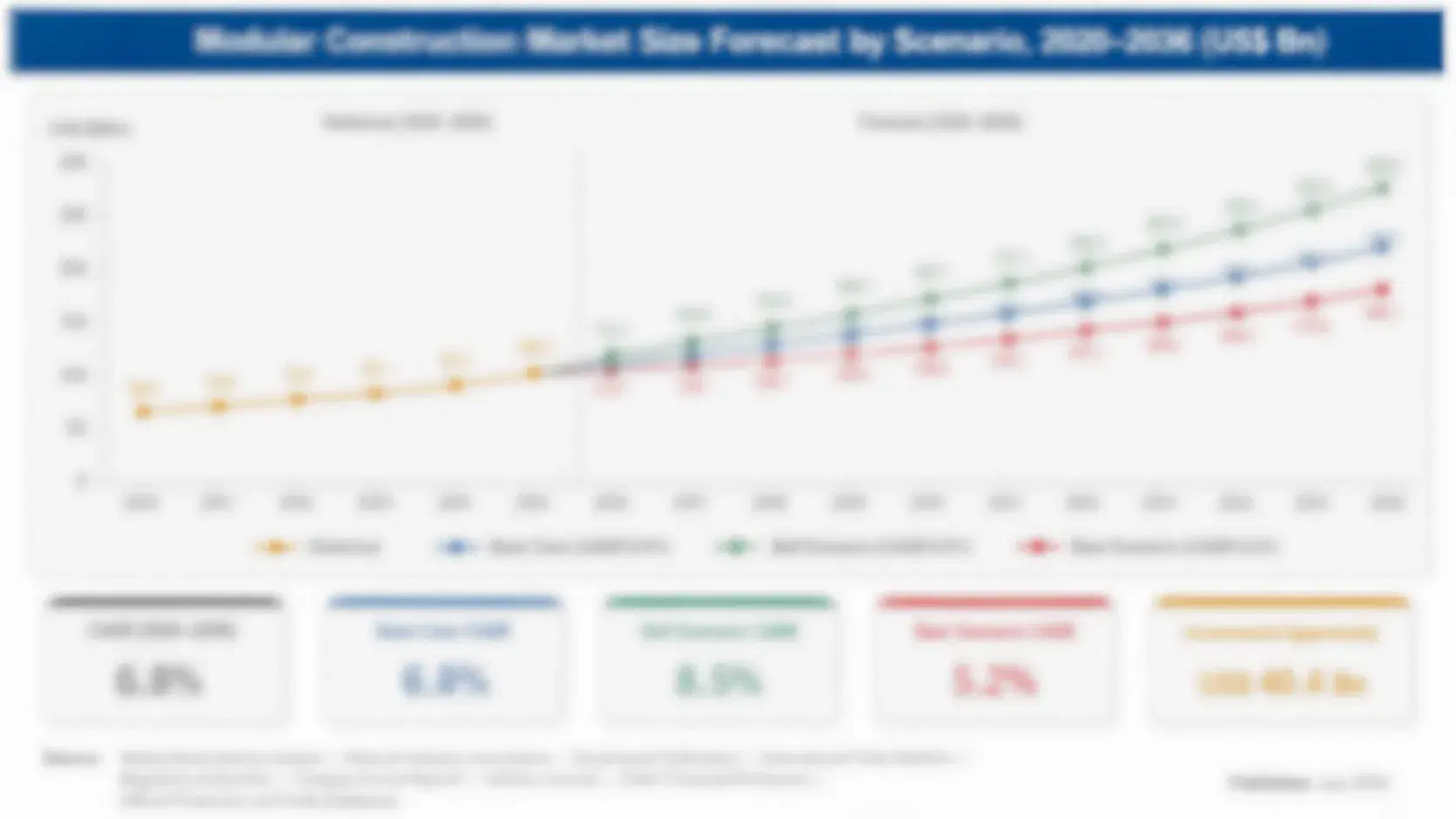
Growth from 2020 to 2025 ran at 5.4% and it followed furniture and appliance production rather than anything happening in tool retail. Flat-pack furniture volume rose, each unit carried a key, and that channel grew with the industry it serves. Professional assembly meanwhile shifted steadily toward hex bits driven by powered tools, which moved volume out of L-keys into a bit format nobody thinks of as the same product.
The 6.6% base case rests on three mechanisms. Torque-limiting drivers keep growing wherever a fastener has a specified torque and rounding one costs more than the tool. Hex bit formats keep displacing L-keys in professional and production assembly. And Indian and Southeast Asian manufacture keeps expanding as furniture and appliance production shifts, since the packaged key is bought where the product is assembled rather than where it is sold. None depends on better steel.
The bull case at 7.8% assumes assembly quality requirements tighten enough that manufacturers begin specifying the key in the box rather than buying whatever is cheapest, which would move an enormous unit volume up a quality tier. The bear case at 5.4% is packaged procurement continuing on price alone, as it has for forty years.

Four Cents, Ruined Fastener

The largest channel in this market is not a channel anybody in tool retail thinks about. Around 61% of hex keys are supplied inside the packaging of assembled products, bought by furniture and appliance manufacturers at roughly four cents each, specified by nobody and thrown away by most recipients within a year. That is enormous unit volume purchased on price alone by buyers who never meet the user.
FIVE-FIRM CONCENTRATION26%Share of category revenue held by the largest tool makers
PACKAGED CHANNEL SHARE61%Keys supplied inside product packaging rather than sold separately
PACKAGED KEY UNIT COST$0.04Typical price paid by a furniture or appliance maker
ROUNDING TOLERANCE THRESHOLD0.05 mmUndersize at which a key begins destroying the fastener
BALL END TORQUE REDUCTION40%Torque capacity lost when driving off the tool axis
WORKING HARDNESS TARGET60 HRCHardness a properly heat-treated key should actually reach
What makes it interesting is that the cheap key does not fail in the way people assume. A key undersized by around 0.05 millimetres does not break; it rounds the socket in the fastener, which then cannot be removed by anything. The tool survives and the assembly is ruined. That inverts the usual quality argument, since the value is protecting a fastener rather than lasting longer.
Ball ends compound the problem in a way that is genuinely nobody's fault. A ball end permits entry at an angle, which is enormously useful, and reduces torque capacity by roughly 40% because contact area drops. Users apply full torque anyway, round the fastener and blame the tool. Professional ranges harden properly to around 60 HRC and hold tolerance, neither of which a buyer can inspect.
"Nobody has ever chosen a furniture manufacturer because of the key in the box, and everybody has sworn at one. The tool costs four cents and the fastener it ruins costs rather more than that."
Director, Hand Tools and Fastening Practice · MMA Hand Tools and Fastening Practice · August 2026

Market Trends

Torque Specification Reaches Ordinary Assembly Work

Bicycle components, electronics, medical devices and increasingly furniture carry fasteners with specified torque values, and a hex key applies whatever the user happens to feel like applying. Torque-limiting drivers grow at 9.9% as that specification spreads into assembly work that never had one. The argument is not tool durability but assembly integrity, which is a completely different sale and reaches a buyer who was never interested in hand tools at all. Nobody in hand tools has organised a commercial approach around a buyer sitting in engineering rather than in trades.
Market Impact: Supplies 61% at four cents
Bits Quietly Replace Keys In Production Assembly

Professional and production assembly moved to powered drivers years ago, which converts hex key demand into hex bit demand without anybody describing it as a shift in the same market. Growth at 8.4% follows powered tool adoption directly. Bit formats also fail differently, since a bit twists or shatters where an L-key bends, and production users replace bits on a schedule rather than when something visibly goes wrong with them. Impact-rated bits carry a different steel specification again, and using an ordinary one produces exactly the shattering that specification prevents.
Market Impact: Grows India fastest at 8.6%

Market Opportunities and Growth Drivers

Flat-Pack Furniture Carries The Unit Volume

Every self-assembly product ships with a key, which makes furniture and appliance production the single largest determinant of unit volume in this entire category at roughly four cents apiece. That demand grows with the industry it accompanies and is entirely insensitive to anything happening in tool retail. Manufacturers buying it specify dimension loosely and price tightly, which is why so many of those keys perform as poorly as they do. Nobody has ever chosen a furniture brand because of the key in the box, and everybody has sworn at one.
Market Impact: Rounds sockets at 0.05 millimetres

Indian Manufacture Grows With Assembly Relocation

Furniture, appliance and general product assembly relocating toward India and Southeast Asia takes the packaged key channel with it, since that key is bought where the product is assembled rather than where it is eventually sold. India grows fastest of any country at 8.6%. Domestic manufacturers supply most of that volume at prices international tool brands have no interest whatever in attempting to match anywhere. Professional tool retail follows some years behind assembly relocation, since a trade channel takes considerably longer to establish than a procurement relationship ever does anywhere.
Market Impact: Loses 40% of torque capacity

Market Restraints and Challenges

The Cheap Key Ruins The Expensive Fastener

A key undersized by around 0.05 millimetres rounds the socket rather than breaking, which destroys the fastener and frequently the assembly around it while the tool itself survives intact. Root cause is manufacturing tolerance that a buyer cannot inspect at any point. Commercial impact is a quality argument nobody can demonstrate at the shelf. Mitigation runs through dimensional certification and manufacturer specification, which the packaged channel has never once required. A fastener that cannot be removed by anything is a considerably more expensive problem than a broken tool ever is.
Market Impact: Grows torque drivers at 9.9%

Ball Ends Invite Exactly The Wrong Use

A ball end permits driving at an angle and reduces torque capacity by roughly 40% because contact area falls, and users routinely apply full torque anyway and round the fastener. Root cause is a genuinely useful feature with a limitation nothing on the tool communicates. Commercial impact is failures attributed to tool quality that are actually misuse. Mitigation involves marking, colour coding and hex ends on the short arm, which better ranges already do. Nothing on a ball-ended key communicates that it should not be used at full torque anywhere.
Market Impact: Grows bit formats at 8.4%
3 additional market trends, 2 additional growth drivers, and 4 additional restraints and challenges are covered in the full report. Contact sales@marketmindsadvisory.com to access the complete intelligence.

Segment CAGR and Growth Architecture

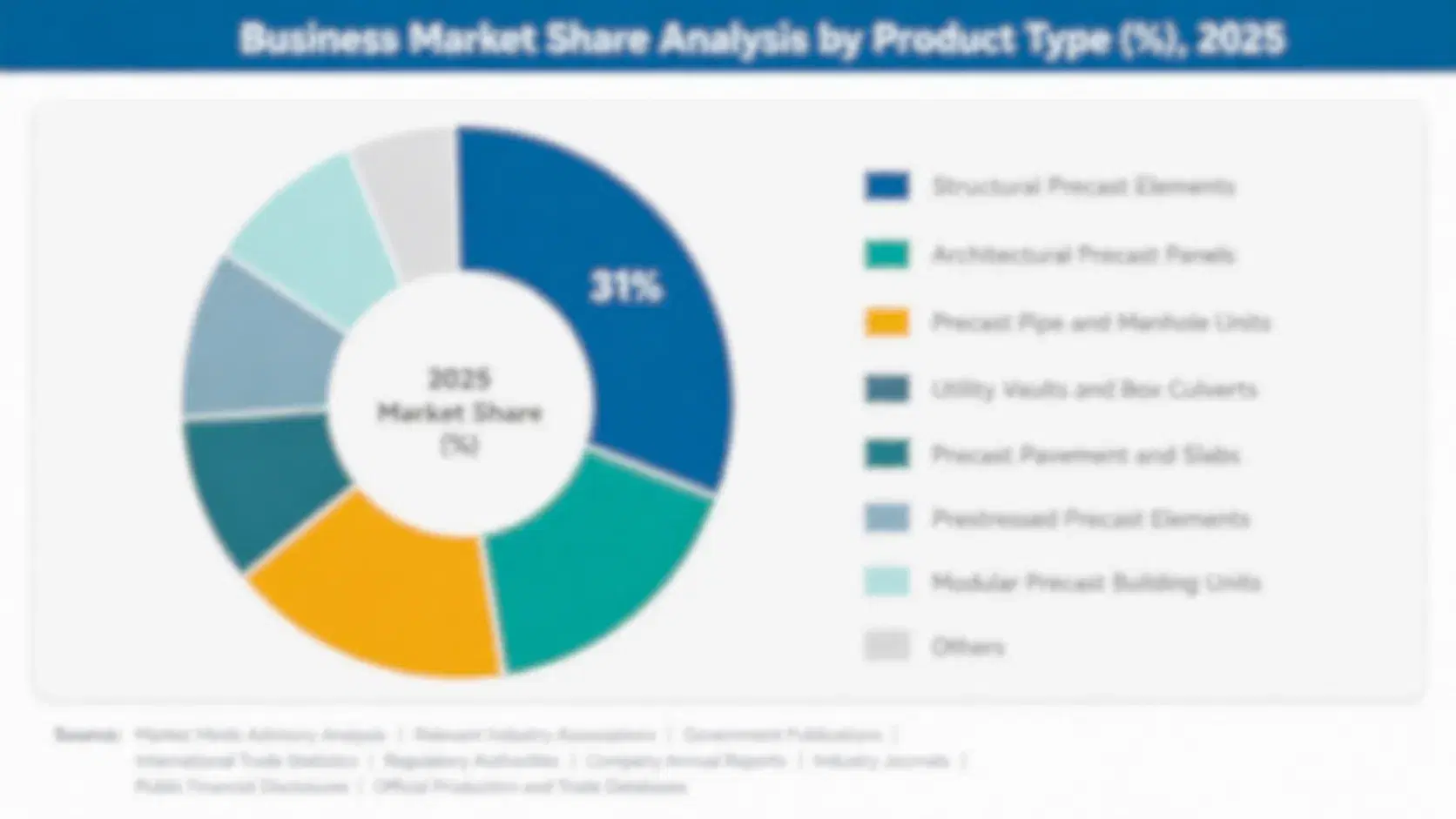
Segmentation follows product format: what the tool physically is and how the user applies torque through it. Six categories cover the market without overlap. End user, purchase channel and drive standard are treated as separate commercial dimensions throughout this report rather than as segmentation logic in their own right, since each cuts across every product format.
allen-key-market-trends-market-share-analysis-1787719708533

Torque-Limiting and Precision Hex Drivers

Drivers that slip or signal at a set torque value grow at 9.9%, half again the market rate of 6.6%, as specified fastener torque spreads from aerospace and medical device work into bicycles, electronics and increasingly ordinary product assembly. The sale is assembly integrity rather than tool durability, which reaches a buyer who was never interested in hand tools and evaluates the purchase against the cost of a ruined component. Calibration and periodic verification create a service relationship that no ordinary hex key has ever generated for anybody. That reaches procurement and engineering functions rather than a tradesperson, which is a completely different commercial approach from anything hand tools normally require.
CAGR 9.9%

Hex Bits and Power Tool Formats

Hex bits for powered drivers grow at 8.4% as professional and production assembly continues moving away from hand-applied torque, which converts key demand into bit demand without anybody treating it as the same market. Failure modes differ genuinely, since a bit twists or shatters where an L-key bends, and production users replace on schedule rather than on visible failure. Impact-rated bits carry a different steel specification again, and using an ordinary bit in an impact driver produces exactly the shattering that specification exists to prevent. Replacement on schedule rather than on visible damage produces consumable revenue that an L-key lasting a working lifetime simply cannot generate for anybody at all.
CAGR 8.4%
Full segment breakdown across 6 segments available in the complete report.

Regional Architecture and Country Demand Map

Geography follows manufacturing location rather than consumption, since the packaged key is bought where a product is assembled. East Asia leads on both tool production and the assembly it accompanies. Consumption patterns alone explain remarkably little about where the value in this category actually sits.

North America

Professional tool retail is well developed and brand loyalty among tradespeople is genuinely strong, which supports premium ranges at prices no other region sustains across the same products. Imperial and metric sizes coexist awkwardly in the same workshops, and the resulting confusion between close sizes rounds fasteners regularly enough that dual-set purchasing is normal rather than exceptional. Torque-limiting adoption is furthest advanced here, driven by bicycle, powersports and light aerospace work rather than by general trades. The packaged channel here is supplied almost entirely from Asia regardless of where the furniture itself is assembled, since a key weighing a few grams travels cheaply and nobody has ever specified its origin.
Share: 25% | CAGR: 5.8% (2026 to 2036)

Western Europe

German and Swiss manufacturers hold the strongest quality reputations in the category and compete explicitly on tolerance and hardness rather than on price, which is a position that survives only where buyers understand what they are paying for. Metric standardisation removes the size confusion that troubles North American workshops entirely. Professional distribution through industrial suppliers is well established. Furniture manufacture across the region generates a meaningful packaged key requirement that mostly gets sourced from elsewhere anyway. Torque-limiting adoption is growing steadily through bicycle and precision assembly work, and the European quality brands are better placed than most to reach that buyer because they already compete on specification rather than on price.
Share: 22% | CAGR: 5.0% (2026 to 2036)
Regional intelligence for 5 additional markets available in the complete report: East Asia, South Asia and Pacific, Latin America, Middle East and Africa, Eastern Europe. Contact sales@marketmindsadvisory.com.
allen-key-market-trends-country-cagr-analysis-1787719708869

Selling A Four Cent Tool

Roughly 61% of these are supplied free at four cents each, a 0.05 millimetre undersize rounds the fastener, ball ends lose 40% of torque and proper hardness reaches 60 HRC. Four levers work on fastener protection, torque specification, bit conversion and packaged channel quality rather than on tool durability, which nobody here can verify.

Sell Fastener Protection, Not Tool Longevity

A key undersized by around 0.05 millimetres rounds the socket rather than breaking, so the cheap tool survives and the assembly is destroyed, which inverts the usual durability argument completely. Positioning on what the tool protects rather than on how long it lasts reaches a buyer thinking about rework cost rather than tool replacement. It requires dimensional certification a buyer can actually see, since nobody can inspect tolerance at a shelf or in a catalogue. A ruined fastener costs rework, and a four cent tool never covered any of that.
Market Impact: Prevents rounding caused by a 0.05 millimetre undersize

Follow Torque Specification Into New Assembly Work

Specified fastener torque is spreading from aerospace and medical work into bicycles, electronics and ordinary product assembly, and a hex key applies whatever the user feels like applying. Torque-limiting drivers grow at 9.9% on that alone. The sale is assembly integrity rather than tool quality, which reaches procurement and engineering rather than a tradesperson, and calibration creates a recurring service relationship no ordinary key has ever produced. Nobody in hand tools has organised a commercial approach around that buyer, which leaves the position entirely unclaimed by anybody at present at all.
Market Impact: Grows the torque driver segment at 9.9% annually

Convert Key Demand Into Bit Demand Deliberately

Production assembly moved to powered drivers years ago and hex key volume became hex bit volume without most tool brands treating it as the same market at all. Bits grow at 8.4% and fail on a replacement schedule rather than on visible damage, which produces consumable revenue that L-keys never generated. Impact-rated specifications add a further tier, and users putting ordinary bits into impact drivers create replacement demand nobody planned for. An L-key lasting a working lifetime generates a single sale, while a bit will generate a great many more.
Market Impact: Captures the bit growth now running at 8.4%

Reach The Manufacturer Buying The Packaged Key

Around 61% of unit volume is bought by furniture and appliance manufacturers at four cents apiece, specified loosely and procured on price alone for forty years. A manufacturer whose assembly instructions fail because the supplied key rounds a fastener carries a support cost and a review problem that four cents does not cover. Selling that argument to a procurement department that has never considered it is slow work and nobody else is attempting it. Forty years of price-only procurement suggests this is a long argument rather than a quick one.
Market Impact: Addresses the 61% of units bought at four cents

Who Controls the Margin Pool

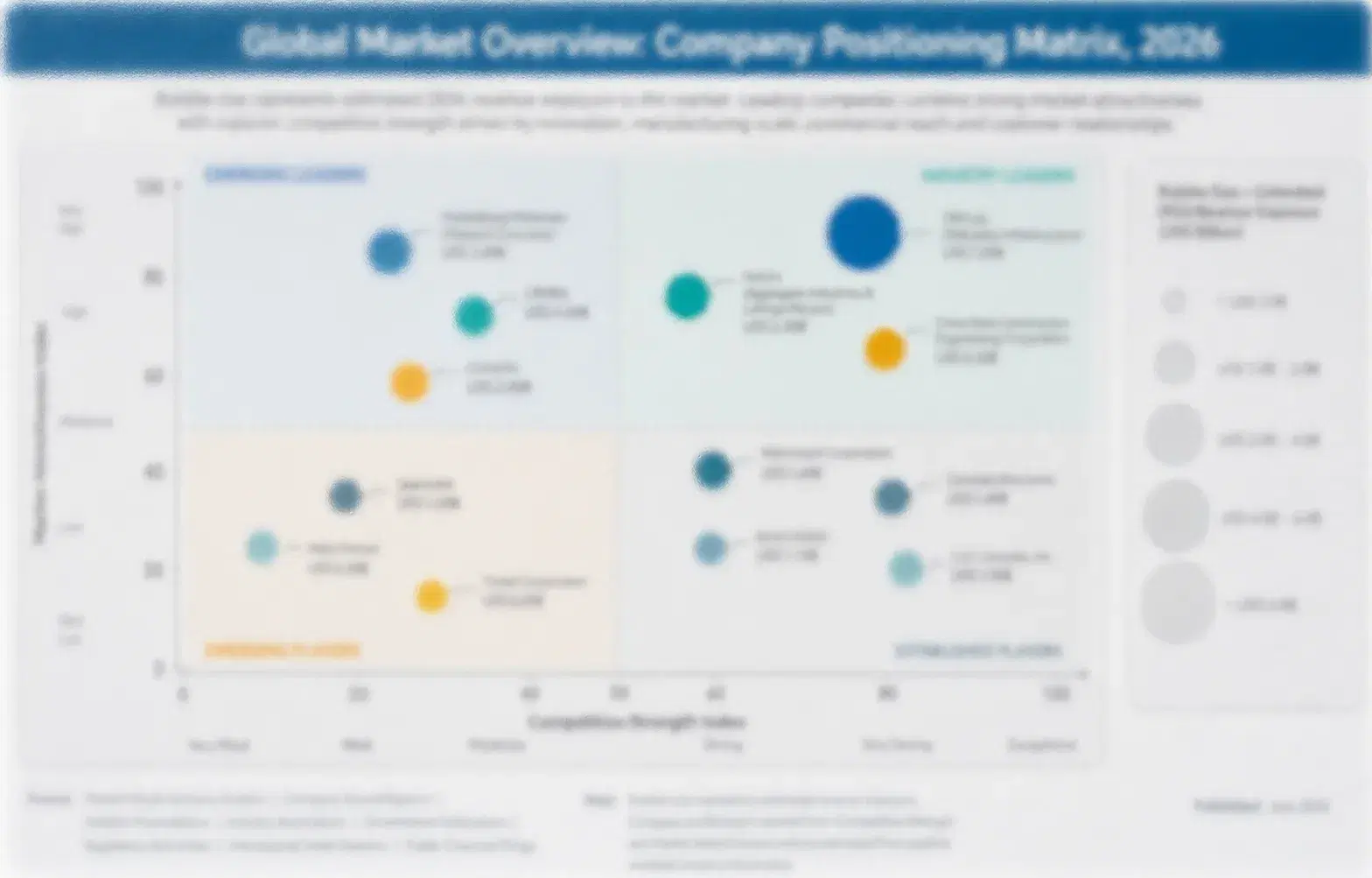
Measured on disclosed hand tool and hex driver revenue, the five largest suppliers hold a CR5 of just 26%, among the lowest in hand tools, because a hex key is shaped bar stock and the barrier to producing an adequate one is genuinely low. Bondhus, Wera and Wiha hold the strongest quality reputations built on tolerance and hardness, while Stanley Black & Decker and Snap-on bring distribution reach across professional and consumer channels respectively. None of the five makes most of the units sold.
Three contests define activity. Professional ranges compete on tolerance, hardness and handle design among buyers who understand what those mean. Packaged keys compete on price alone into procurement departments that specify nothing. And bits compete on steel specification and failure behaviour under powered drivers. Folding tools compete on design content and nothing else at all.

Pressure builds from Chinese and Taiwanese producers who now compete on more than price in professional channels. Rankings shift toward whoever reaches the torque specification buyer, since that is a different customer entirely and nobody has claimed the position yet. Reputation built on rounded fasteners is the only durable asset anybody holds here.
allen-key-market-trends-company-positioning-matrix-1787719709195

Competitive Moat and Risk Dimensions

WERA

Moat: Tolerance Reputation And Handle Design

Wera built a position on dimensional accuracy, hardness and genuinely thought-through handle and retention design in a category where most competitors treat it as bar stock. Tradespeople who have rounded a fastener with a cheap key remember which brand did not do that to them. Reputation of that kind accumulates across years and cannot be claimed on packaging.
WERA

Risk: Quality Invisible At Purchase

Nobody can inspect tolerance or hardness at a shelf, which means the quality position depends entirely on reputation and on a buyer who has already learned the difference the hard way. First-time buyers compare price. The 61% of volume moving through packaged channels never encounters the argument at all, since procurement there specifies nothing beyond size.
STANLEY BLACK & DECKER

Moat: Distribution Reach And Brand Portfolio

The group reaches consumer retail, professional distribution and industrial supply through a brand portfolio built over decades, which places hex key sets before buyers a specialist cannot economically reach. Shelf position in mass retail is worth more than product differentiation in a category this commoditised. A better key still needs somewhere a buyer will encounter it.
STANLEY BLACK & DECKER

Risk: Commoditisation Erodes Any Premium

A hex key is shaped bar stock and Asian producers make adequate ones at prices that make brand premiums difficult to defend in consumer channels where nobody inspects tolerance anyway. Distribution reach delivers volume at thin margin rather than protecting price. Torque-limiting and precision segments require capabilities a broad portfolio does not automatically confer.

Players Tracked

Prominent Players

Bondhus
Wera
Wiha
Stanley Black & Decker
Snap-on

Other Key Players

Bahco
Eklind Tool
PB Swiss Tools
Klein Tools
Milwaukee Tool
Apex Tool Group
Facom
Gedore
Hazet
King Tony
Sata Tools
Jetech Tool
Taparia
Groz
Unior

Recent Developments

FEBRUARY 2025

Furniture manufacturer specifies dimensional tolerance for supplied assembly keys

A furniture manufacturer introduced a dimensional tolerance specification for the hex keys supplied inside its flat-pack products, a procurement quality decision rather than any commercial partnership. Customer support contacts relating to rounded fasteners during assembly had been rising steadily across several of its own product ranges.
Signal: A procurement department has finally connected support cost to the four cent tool in the box.
JUNE 2025

Bicycle component maker mandates torque-limiting tools for assembly

A bicycle component manufacturer extended its assembly guidance to require torque-limiting drivers for specified fastener values across its component range. This was a technical guidance decision rather than any commercial arrangement, and it followed warranty analysis identifying over-torqued fasteners as a recurring cause of component failure.
Signal: Torque specification is now reaching consumer assembly work that never previously had any of it at all.
OCTOBER 2025

Asian producer launches professional range on tolerance specification

A Taiwanese hand tool producer launched a professional hex key range marketed explicitly on dimensional tolerance and hardness specification rather than on price. This was an organic product launch rather than any acquisition, and it targeted professional distribution channels previously served almost entirely by European brands.
Signal: Asian producers are now competing openly on specification rather than exclusively on unit price alone anymore.

Alloy Steel And Heat

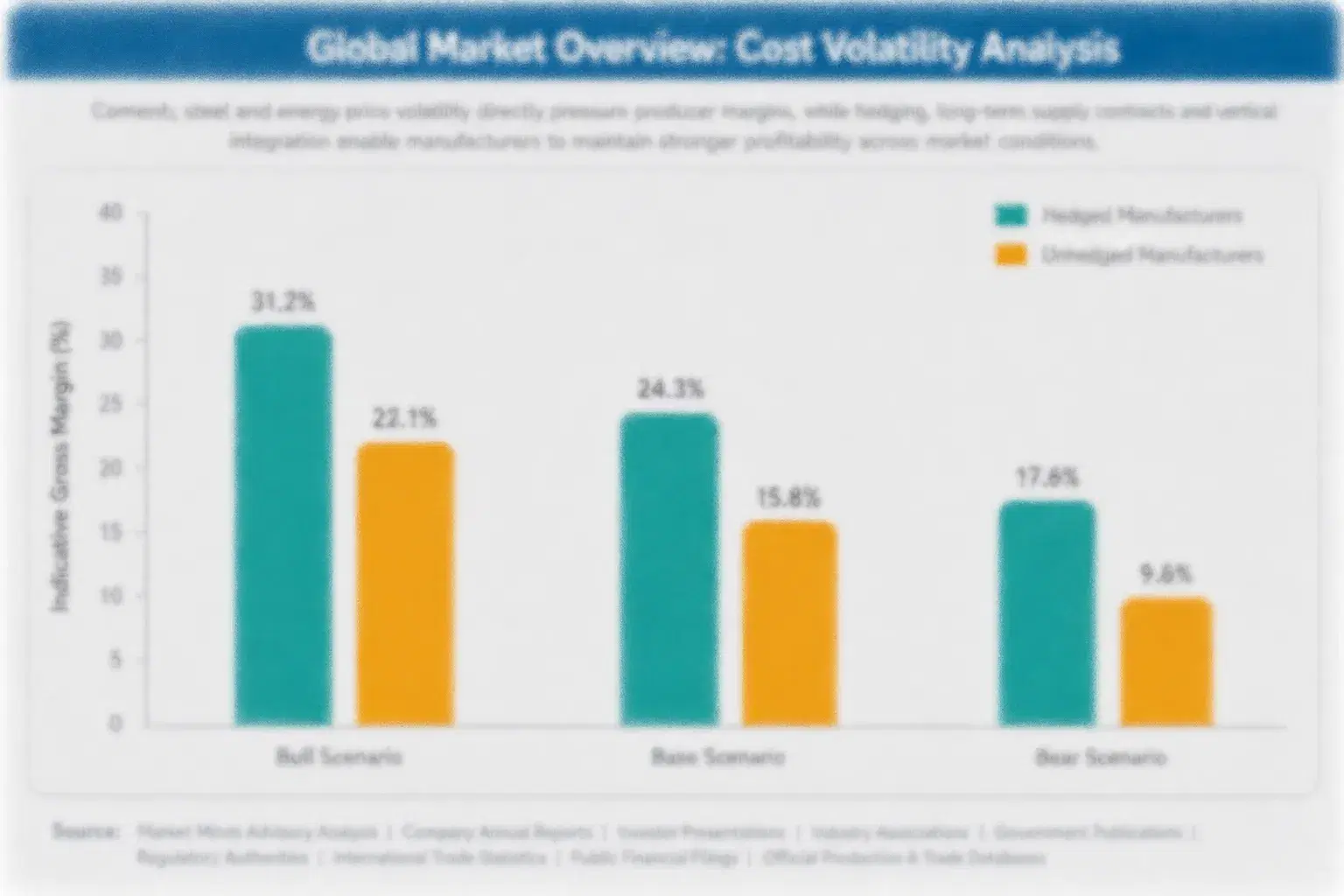
The bill of materials could hardly be simpler and the processing is where cost actually sits. Chrome vanadium and S2 tool steel bar stock, cold forming, heat treatment energy, surface finishing and packaging together account for 56 to 68% of finished cost. Steel is the largest line and heat treatment the largest processing cost, since reaching around 60 HRC needs furnace control cheap production does not apply.
Two things moved. Alloy steel pricing rose sharply through 2021 and 2022, and vanadium and molybdenum used in tool steel grades moved with it, both of which United States Geological Survey commodity data records across the period. European energy pricing then rose severely through 2022, which IEA data documents, and heat treatment is energy-intensive enough that European producers carried a disadvantage they could not engineer away.

Exposure divides by where heat treatment happens rather than by steel purchasing. Producers heat treating in low energy cost regions hold a position that Western competitors cannot approach on the processing step that determines whether a key performs at all. Packaged channel suppliers face the thinnest margins and the least ability to pass anything through, since procurement compares four cent quotations and considers nothing else.
allen-key-market-trends-cost-volatility-analysis-1787719709512

Control heat treatment rather than outsourcing it

Reaching around 60 HRC consistently requires furnace control and quench discipline that contract treaters serving many industries do not apply to a low value component. Internal treatment costs capital and energy wherever the plant sits. It controls the one process step that determines whether a key holds its dimension under load, which is the entire quality proposition being sold.

Contract alloy steel with vanadium content specified

Chrome vanadium and S2 grades depend on alloying elements whose pricing moves independently of the base steel, and substituting toward cheaper grades changes hardness achievable after treatment considerably. Contracting with composition specified costs flexibility and some price premium. It prevents the quiet grade substitution that produces keys meeting a dimension specification and failing under load anyway.

Site heat treatment where energy costs least

Heat treatment is the energy-intensive step and European pricing during the crisis period placed continental producers at a disadvantage on the process that matters most for quality. Relocating costs capital and disrupts established supply relationships considerably. It removes an exposure that reshaped relative cost positions once already and shows every sign of doing so again.

Portfolio Architecture for Margin Defence

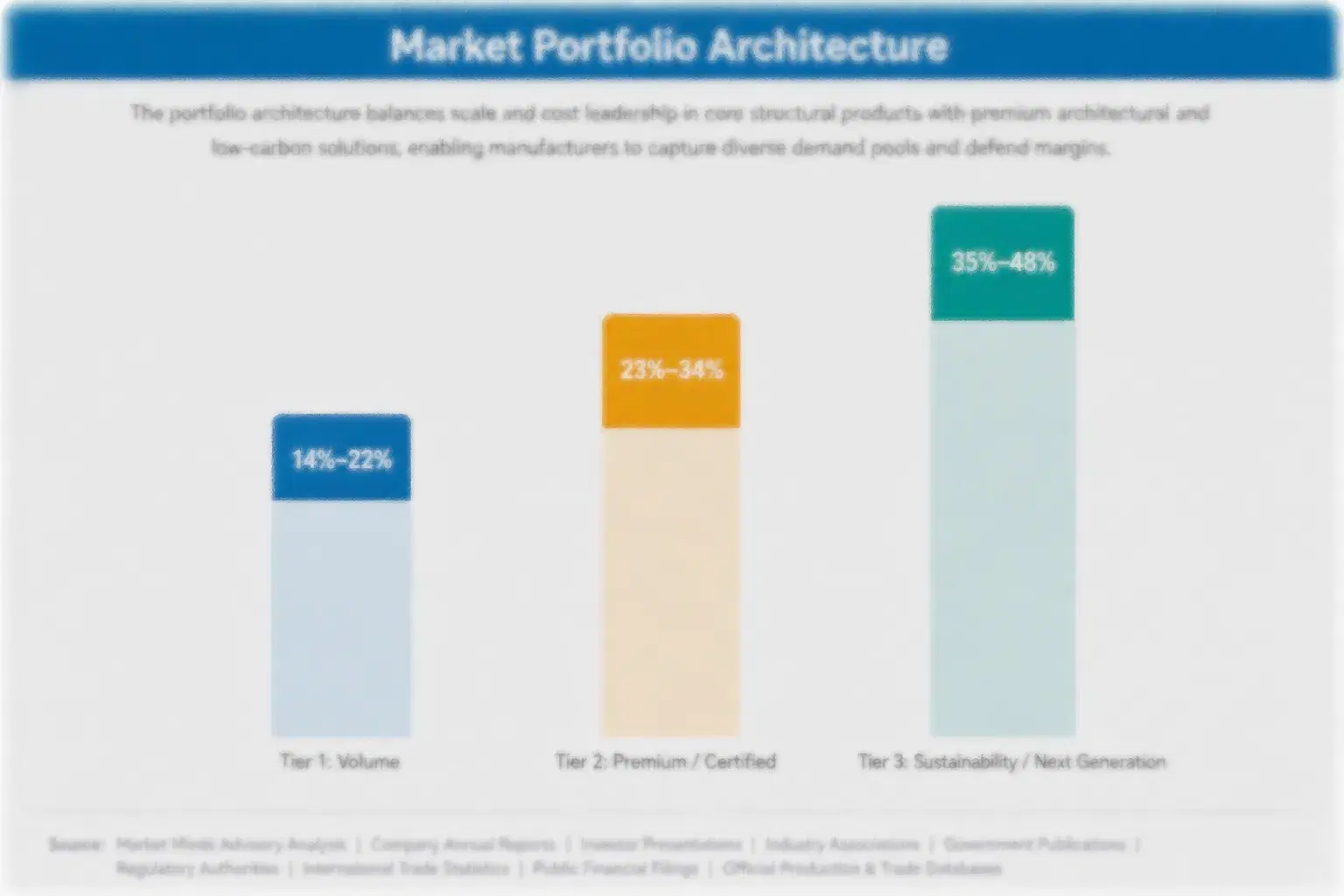
Margin follows whether a buyer can tell the difference, which in this category is unusually rarely. Packaged keys earn almost nothing by design and are quoted in fractions of a cent. Consumer retail sets earn modestly against private label. L-key professional sets earn reasonably where reputation carries them. Folding and multi-key tools earn better on design content. Hex bits earn well as consumables. Torque-limiting and precision drivers earn best of anything, because the buyer measures something other than the tool.
The tension is that 61% of unit volume sits in the segment with essentially no margin and no possibility of any. Packaged keys are bought by procurement departments comparing four cent quotations, and no amount of quality argument has ever changed that in forty years. A supplier chasing that volume runs a bar stock business; one chasing torque drivers takes most of the profit.

High-value pools sit in three places. Torque-limiting and precision drivers, where calibration creates a service relationship and the buyer evaluates against component cost. Impact-rated and specialised bits, which are consumables replaced on schedule. And professional ranges backed by dimensional certification, which is the only way anybody has made invisible quality visible at a point of sale.

Volume / Commodity-Adjacent

Packaged assembly keys and consumer private label sets quoted on unit price into procurement and retail buying. The 10-point range separates producers with internal heat treatment in low energy regions from those outsourcing the process entirely.
Gross Margin: 8-18%

Premium / Certified

Branded professional L-key sets, T-handle formats and folding tools sold on reputation through trade distribution. The 14-point spread reflects how differently established quality brands and challenger ranges sustain pricing among buyers who cannot inspect tolerance.
Gross Margin: 30-44%

Sustainability / Regulatory / Next-Generation

Torque-limiting drivers, precision hex tools and impact-rated bit ranges sold on assembly integrity rather than durability. The 22-point range is wide because calibrated instrument economics and consumable bit economics sit within one tier and behave nothing alike.
Gross Margin: 42-64%
allen-key-market-trends-portfolio-architecture-1787719709799

High-value Sub-segments and Strategic Watch-out

Torque-Limiting And Precision Drivers

Highest margin and fastest growth at 9.9%, sold to a buyer measuring assembly integrity rather than tool life and evaluating against ruined component cost. The risk is that calibration and verification create obligations a hand tool business has never had to service before. Nobody in hand tools has done it.
Gross Margin: 54-64%

Impact-Rated And Specialised Bits

Consumable economics with replacement on schedule rather than on visible failure, growing at 8.4% as powered assembly continues displacing hand-applied torque everywhere. The risk is that steel specification is the whole differentiation and competitors match it readily enough. Specification is the only real differentiation available here.
Gross Margin: 44-56%

Professional L-Key Sets

The reputation core, sold to tradespeople who learned the difference by rounding a fastener with something cheaper at some point. Suppliers hold it because that reputation anchors everything else the brand sells into professional distribution channels. Reputation here is built one rounded fastener at a time.
Gross Margin: 30-42%

Packaged Channel Commoditisation

The strategic watch-out. Around 61% of unit volume is quoted in fractions of a cent to procurement departments that specify nothing beyond size. The risk is mistaking unit volume for a market worth pursuing when the margin simply is not there. Volume is not the same as market.
Gross Margin: 8-16%

Kept Forever Or Discarded

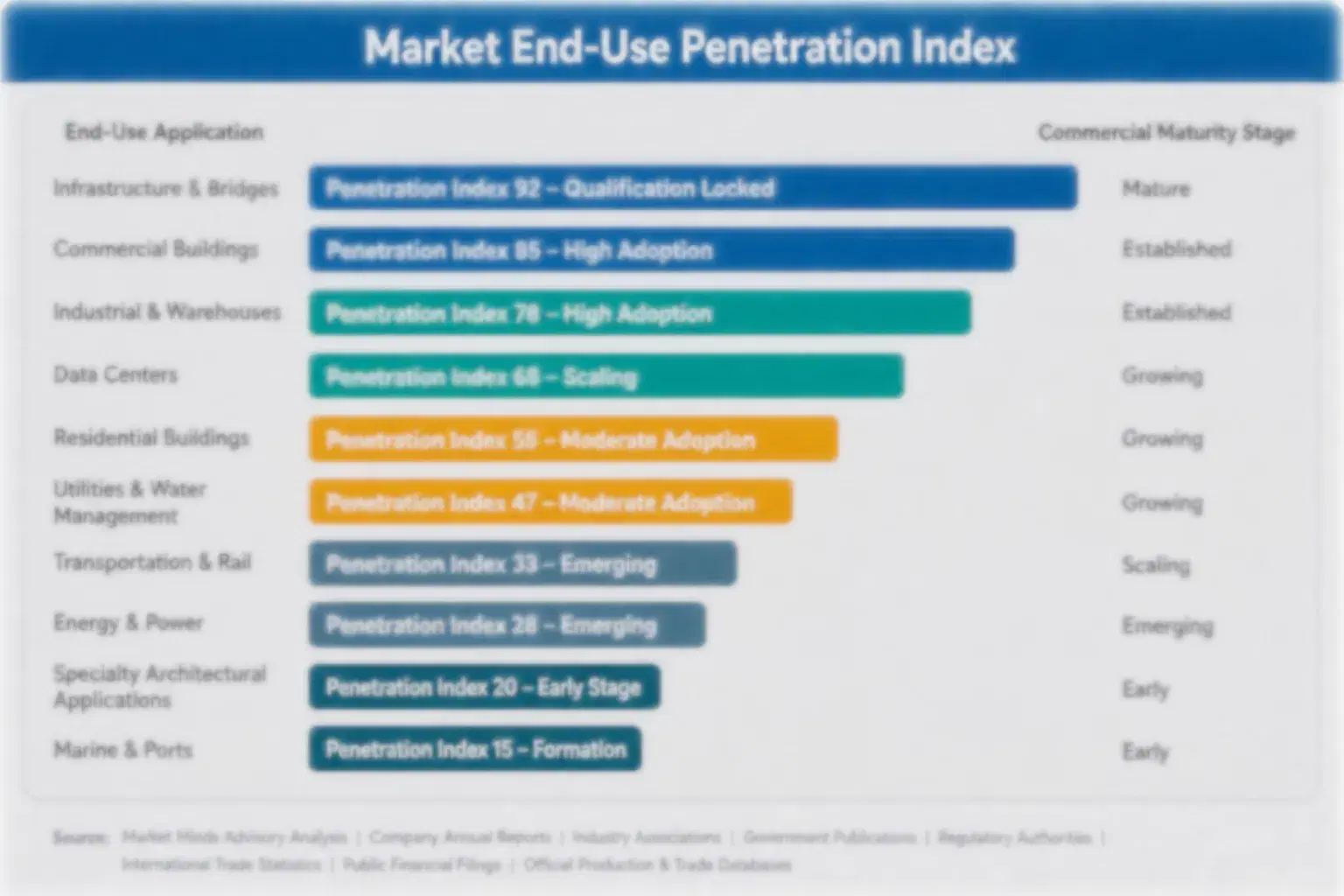
This category has two demand patterns that share nothing at all. A packaged key accompanies a product, gets used once or twice and is discarded or lost within a year, generating no repeat purchase and no relationship whatever. A professional set is bought once and kept for a working lifetime, replaced when lost rather than worn out. Neither pattern produces the recurring revenue a tool business would prefer.
Stickiness in the professional half is real and rests on a memory. A tradesperson who has rounded a fastener with a cheap key remembers the brand that did not, and buys accordingly for decades afterwards. That is unusually durable preference for a commodity product. Bits are the exception, behaving as consumables with replacement schedules that L-keys cannot match.

The buyer splits into two who would not recognise each other. A procurement officer at a furniture manufacturer buys millions of keys a year at four cents and specifies size and nothing else. A tradesperson buys one set in a decade and cares intensely about tolerance and handle feel. Torque-limiting drivers introduce a third buyer entirely, sitting in engineering or quality rather than in either of those places.
allen-key-market-trends-end-use-penetration-index-1787719710069

Protect The Fastener

These are among the four positions where our research anticipates prominent divergence between winners and laggards over the coming forecast period. Each is grounded in the demand model, the regulatory perimeter, and the announced capacity pipeline.
01 / FASTENER PROTECTION POSITIONING

The cheap tool survives, the assembly does not

A hex key undersized by around 0.05 millimetres does not break under load, it rounds the socket in the fastener, which then cannot be removed by anything at all afterwards by anybody. The tool survives intact while the assembly around it is destroyed, which inverts the usual durability argument completely and permanently. Positioning on what the tool protects rather than on how long it lasts reaches a buyer who is thinking about rework cost instead of about tool replacement cost entirely.
02 / TORQUE SPECIFICATION FOLLOWING

A third buyer nobody has claimed yet

Specified fastener torque is now spreading out of aerospace and medical device work into bicycles, electronics and increasingly ordinary product assembly, while a conventional hex key simply applies precisely whatever the user happens to feel like applying to it. Torque-limiting drivers grow at 9.9% on the strength of that alone. The sale reaches engineering and quality functions rather than tradespeople, and calibration creates a recurring service relationship that no ordinary hex key has ever once produced for anybody at all.
03 / BIT FORMAT CONVERSION

Your volume already moved to consumables

Production and professional assembly shifted to powered drivers years ago, which quietly converted hex key demand into hex bit demand without most tool brands ever treating it as the same market they were already competing in themselves. Bits grow at 8.4% and are replaced on a fixed schedule rather than on any visible failure at all. That produces consumable revenue on a recurring basis which an L-key lasting an entire working lifetime simply cannot ever generate for anybody at all.
04 / PACKAGED CHANNEL REALISM

Sixty-one percent of units, almost no margin

Around 61% of all unit volume is bought by furniture and appliance manufacturers at roughly four cents apiece each, specified loosely and procured on price alone for the past forty years without any interruption at all. No quality argument has ever changed that, and any supplier who chases that volume is running a bar stock business rather than a tool one. Mistaking unit share for a market genuinely worth pursuing is easily the commonest error anybody makes in this category.

Engagement Snapshot From the Field

A live engagement with an industry participant carrying material or product regulatory and market exposure ahead of a defining policy shift, showing how our research translates into a defensible multi-year portfolio strategy.
MARKET MINDS ADVISORY · CLIENT ENGAGEMENT SUMMARY
Allen Key 2025-2035 Producer Strategic Portfolio Review and Transition Roadmap 2026·Investment Scenario on Allen Key 2025-2035 Exposure Evaluation 2025-26
CLIENT PROFILE
A hand tool manufacturer producing hex keys and drivers across European and Asian markets, with reported hex tool revenue of 68 million dollars (client-reported, unverified by MMA). Roughly 57% came from professional L-key sets and consumer ranges. The company held no torque-limiting product and had recently begun quoting for packaged assembly key contracts at volume.
STRATEGIC CHALLENGE
Professional set volume had been flat for four years while Asian competitors entered trade distribution on specification rather than price. Management was pursuing packaged assembly contracts to fill capacity. That entered the one segment with no margin available at all, against producers whose heat treatment sat in regions where energy cost a fraction of what the company paid.
MMA APPROACH
MMA analysed margin by format and channel against heat treatment cost by location, a comparison the company had never assembled properly. Twenty-one expert interviews with trade distributors, furniture procurement officers, bicycle assemblers and quality engineers established what each buyer actually specifies. The analysis treated torque specification and bit conversion rather than volume filling as the routes available.
KEY FINDINGS
  1. Furniture procurement officers interviewed specified size and quantity and nothing else whatsoever, and none of them had ever been asked about dimensional tolerance by any supplier.
  2. The company's heat treatment cost per unit was several times that of Asian competitors quoting for the same packaged contracts, which no volume gain would ever recover.
  3. Bicycle and electronics assemblers described torque specification as a growing requirement, and none had been approached by a hand tool manufacturer about it at all.
  4. Trade distributors reported that Asian professional ranges were now being specified on tolerance, which had not been true in the same channels three years earlier.
CLIENT PROFILE
A hand tool manufacturer producing hex keys and drivers across European and Asian markets, with reported hex tool revenue of 68 million dollars (client-reported, unverified by MMA). Roughly 57% came from professional L-key sets and consumer ranges. The company held no torque-limiting product and had recently begun quoting for packaged assembly key contracts at volume.
STRATEGIC CHALLENGE
Professional set volume had been flat for four years while Asian competitors entered trade distribution on specification rather than price. Management was pursuing packaged assembly contracts to fill capacity. That entered the one segment with no margin available at all, against producers whose heat treatment sat in regions where energy cost a fraction of what the company paid.
MMA APPROACH
MMA analysed margin by format and channel against heat treatment cost by location, a comparison the company had never assembled properly. Twenty-one expert interviews with trade distributors, furniture procurement officers, bicycle assemblers and quality engineers established what each buyer actually specifies. The analysis treated torque specification and bit conversion rather than volume filling as the routes available.
KEY FINDINGS
  1. Furniture procurement officers interviewed specified size and quantity and nothing else whatsoever, and none of them had ever been asked about dimensional tolerance by any supplier.
  2. The company's heat treatment cost per unit was several times that of Asian competitors quoting for the same packaged contracts, which no volume gain would ever recover.
  3. Bicycle and electronics assemblers described torque specification as a growing requirement, and none had been approached by a hand tool manufacturer about it at all.
  4. Trade distributors reported that Asian professional ranges were now being specified on tolerance, which had not been true in the same channels three years earlier.
RECOMMENDED STRATEGY
Phase 1: Phase one: abandon packaged assembly quoting, since the cost position cannot be recovered by any achievable volume gain at all. Phase 2: Phase two: develop a torque-limiting range for assembly work, reaching engineering buyers no hand tool brand currently serves properly at all. Phase 3: Phase three: build an impact-rated bit range, converting displaced key volume into consumable revenue with scheduled replacement rather than lifetime ownership.
OUTCOME
Packaged quoting was abandoned and the capacity redirected toward professional and bit production. A torque-limiting range entered development with two bicycle assemblers engaged as early users (client-reported, unverified by MMA). Bit range volume grew from a small base within three quarters. Professional set volume remained flat, which the analysis had predicted and which management had stopped treating as the problem.

Frequently Asked Questions

Foundational context covering the market sizes, CAGR, scope, country, region and competition that inform every finding below. This section is provided to cover basics and most often pre-purchase conversations, answered from the MMA Primary Research Dataset.

What is the current size of the Allen Key Market?

The market was worth 1.1 billion dollars in 2025, covering L-keys, packaged assembly keys, hex bits, handled formats, folding tools and torque drivers. It reaches 1.17 billion dollars in 2026.

How large will the Allen Key Market be by 2036?

MMA forecasts 2.22 billion dollars by 2036, an increase of 1.05 billion dollars over the 2026 base. That represents an expansion multiple of 1.90 times across the forecast period.

What is the CAGR for the Allen Key Market 2026 to 2036?

The base case compounds at 6.6% annually. The bull case reaches 7.8% if manufacturers begin specifying packaged key quality, while the bear case sits at 5.4% on continued procurement by price alone.

Which segment is growing fastest?

Torque-limiting and precision hex drivers, at 9.9%, half again the market rate of 6.6%. Specified fastener torque is spreading into assembly work that never previously had any.

Who are the major companies in the Allen Key Market?

Bondhus, Wera, Wiha, Stanley Black and Decker and Snap-on lead on disclosed hand tool and hex driver revenue. Bahco, PB Swiss Tools and King Tony hold notable positions.

Which country is growing fastest?

India at 8.6%, as furniture and appliance assembly relocates and takes the packaged key channel with it. Domestic manufacturers supply most of that growing volume.

Report Segmentation Architecture

The full report scope spans multiple orthogonal segmentation dimensions, with cross-tabulated demand data provided for each dimension pair. Coverage extends further to regional breakdowns, trend trajectories, and the competitive detail needed to support segment-level decision-making.

By Product Format

  • L-Shaped Hex Keys and Sets
  • Keys Packaged With Assembled Products
  • Hex Bits and Power Tool Formats
  • T-Handle and P-Handle Keys
  • Folding and Multi-Key Tools
  • Torque-Limiting and Precision Hex Drivers

By End-Use Industry

  • Furniture and Flat-Pack Assembly
  • Appliance and Consumer Product Manufacture
  • Construction and Building Trades
  • Automotive and Machinery Maintenance
  • Bicycle and Powersports Assembly
  • Electronics and Precision Assembly

By Commercial Dimension

  • Consumer Retail Purchase
  • Professional Trade Distribution
  • Industrial Supply Contracts
  • Original Equipment Packaged Supply
  • Private Label Manufacture
  • Calibrated Instrument Service

By Region

  • North America
  • Western Europe
  • East Asia
  • South Asia and Pacific
  • Latin America
  • Middle East and Africa
  • Eastern Europe

Scope, Methodology, and Coverage

Every figure in this report is reproducible from documented input assumptions. The scope below maps the historical period, the forecast horizon, the segmentation dimensions, and the countries covered, alongside the underlying primary and qualitative methodology.
Historical Period
2020 to 2025
Forecast Period
2026 to 2036
Base Year
2025 (USD billions; MMA Primary Research Dataset, August 2026)
Market Definition
Scope covers hexagonal drive hand tools and their powered equivalents used to apply torque to hexagonal socket fasteners, spanning L-shaped hex keys and sets, keys supplied packaged with assembled products, hex bits and power tool driver formats including impact-rated specifications, T-handle and P-handle keys, folding and multi-key tools, and torque-limiting and precision hex drivers with calibration services. Torx, spline, square and other non-hexagonal drive systems, socket wrenches ratchets and torque wrenches for square drive, the hexagonal socket fasteners themselves, powered drivers impact wrenches and the tools that accept bits, and general hand tool ranges outside hexagonal drive are excluded from the market size and all derived figures. The forecast follows the standard MMA horizon of 2026 to 2036 rather than any date range appearing in the market title.
Quantitative Units
USD billions (current prices); units shipped; price per unit; dimensional tolerance in millimetres; working hardness in Rockwell C
Segmentation Dimensions
By Product Format; By End-Use Industry; By Commercial Dimension; By Region
Regions Covered
North America, Western Europe, East Asia, South Asia and Pacific, Latin America, Middle East and Africa, Eastern Europe
Countries Covered
China, Taiwan, USA, Germany, India, Japan, Poland, Vietnam, UK, Mexico, Brazil, Switzerland, Italy, Turkey, Sweden
Key Companies Profiled
Bondhus, Wera, Wiha, Stanley Black & Decker, Snap-on, Bahco, Eklind Tool, PB Swiss Tools, Klein Tools, Milwaukee Tool, Apex Tool Group, Facom, Gedore, Hazet, King Tony, Sata Tools, Jetech Tool, Taparia, Groz, Unior
Quantitative Methodology
Primary survey, n=3,800 respondents, Q4 2025, six countries; demand-side model with trade association cross-validation
Qualitative Methodology
47 expert interviews, Q4 2025; applied to validate demand model assumptions, identify emerging dynamics, and assess competitive positioning
Report Format
PDF and XLSX data workbook (Word format preview document)
Publisher
Market Minds Advisory
Report Code
MMA-2026-CON-151
Published
August 2026
Contact
sales@marketmindsadvisory.com | www.marketmindsadvisory.com

Purchase the full Allen Key Market 2025-2035 Report (2026 to 2036).

The full report runs to 135 pages and covers all six product format segments, seven regions and 20 profiled manufacturers in detail. It includes the complete segment CAGR set, regional manufacturing and assembly location comparison, and channel analysis separating packaged supply from professional and retail sales. Company profiles carry evaluation on disclosed hand tool and hex driver revenue, with moat and risk assessment for the top five manufacturers. The competitive section extends to 10 tracked procurement, specification and product developments across 2024 and 2025. Primary research inputs include a quantitative survey of 3,800 respondents and 47 expert interviews conducted in Q4 2025.
Six product format segments with individual CAGR forecasts
Seven regional markets with manufacturing and assembly location comparison
Twenty manufacturer profiles on consistent revenue evaluation basis
Ten tracked procurement and specification developments with commercial interpretation
Packaged supply separated from professional and retail channel economics
Dimensional tolerance assessed as the determinant of fastener damage

Built For The People Who Decide

From boardroom strategy to bench-side execution, this report is read cover-to-cover by leaders shaping the next decade of their industry, turning demand scenarios, market dynamics and valuation benchmarks into decisions.
CXOs/ Presidents/ VPs/ Managers
M&A and Corporate Development
Strategy Teams and R&D Heads
Procurement and Product Directors
Regulatory and Compliance Leaders
Investor Relations and Equity Analysts