
Market Minds Advisory
Airfield Fencing Market 2025-2035

Airfield Fencing Market 2025-2035: Airfield Fencing Market: A Wildlife Barrier Sold As Security

An airfield fence has to be buried around 600 millimetres to stop animals passing under it, which costs about three times ordinary perimeter fencing and makes this civil works rather than fencing.

Lead Analyst

Published

August 2026

Make Smarter Decisions with Customized Research Insights

Request a free sample report and evaluate market opportunities, growth trends, and competitive dynamics relevant to your business needs.

2025 MARKET VALUE$1.4BMarket Size 2025
2036 FORECAST VALUE$3.0BBase Case , 2026 to 2036
CAGR 2026 TO 20367.0 %Bull 8.2% / Bear 5.8%
INCREMENTAL OPPORTUNITY$1.4BNet 10- year value creation
EXPANSION MULTIPLE1.97x2036 value over 2026 base
Strategic Levers
M&A Pipeline
Regional Outlook
Country Rankings
Competitive Intelligence
Segmental Deep-dive
Call-Us : 91 93563 13602

Executive Snapshot and Market Trajectory.

This is sold as security and it exists mostly for wildlife. A deer on a runway is a catastrophic event, and the fence that keeps one out has to be buried around 600 millimetres because animals go under fences rather than over them.
East Asia takes 28% of value on the largest airport construction programme anywhere, with the Gulf carrying weight at the top of its regional band on hub expansion. Perimeter intrusion detection grows at 10.5%, half again the market rate of 7.0%, as fences acquire sensors. Gates and vehicle barriers follow at 8.4%, since a perimeter is only as good as the point where it opens. Fence line supply itself grows at less than half that.
Concentration is just 24% because most of this work is executed by regional civil contractors rather than by anybody with a brand. The specification that actually matters is nuisance alarms: a detection system covering 18 kilometres that cries wolf gets ignored, and an ignored system is worse than none at all. Detection probability is what vendors quote, and nuisance rate is what decides whether the thing stays switched on.
Market Definition
The market covers perimeter barriers, detection and access systems specific to airfield and aerodrome boundaries, spanning perimeter security fencing and barriers, wildlife exclusion fencing and buried skirts, perimeter intrusion detection systems, gates vehicle barriers and access control, frangible and runway strip fencing, and inspection maintenance and repair services. Terminal building security, airside vehicle and equipment control, counter-drone systems, air traffic and navigation infrastructure, and general commercial or industrial fencing outside aerodrome boundaries are excluded from scope.
Base Year Value
$1.4B in 2025 (MMA Primary Research Dataset, August 2026)
Forecast Period
2026 to 2036, eleven discrete annual values
CAGR
7.0% base case. Bull 8.2%. Bear 5.8%.
Fastest Growth Segment
Perimeter Intrusion Detection Systems: 10.5% CAGR
Fastest Growth Country
India: 9.0% CAGR
Fastest Growth Region
South Asia and Pacific: 9.2% CAGR
Largest Region
East Asia: 28% of 2025 global value
Market Leaders
Betafence, Zaun, Jacksons Fencing, Ameristar Perimeter Security, Senstar. Source: MMA Analysis based on disclosed perimeter security and fencing project revenue, company annual reports 2025.
Primary Survey
n=3,800 procurement and R&D decision-makers, Q4 2025, six countries
Methodology
Demand-side build-up, cross-validated against public data, 47 expert interviews

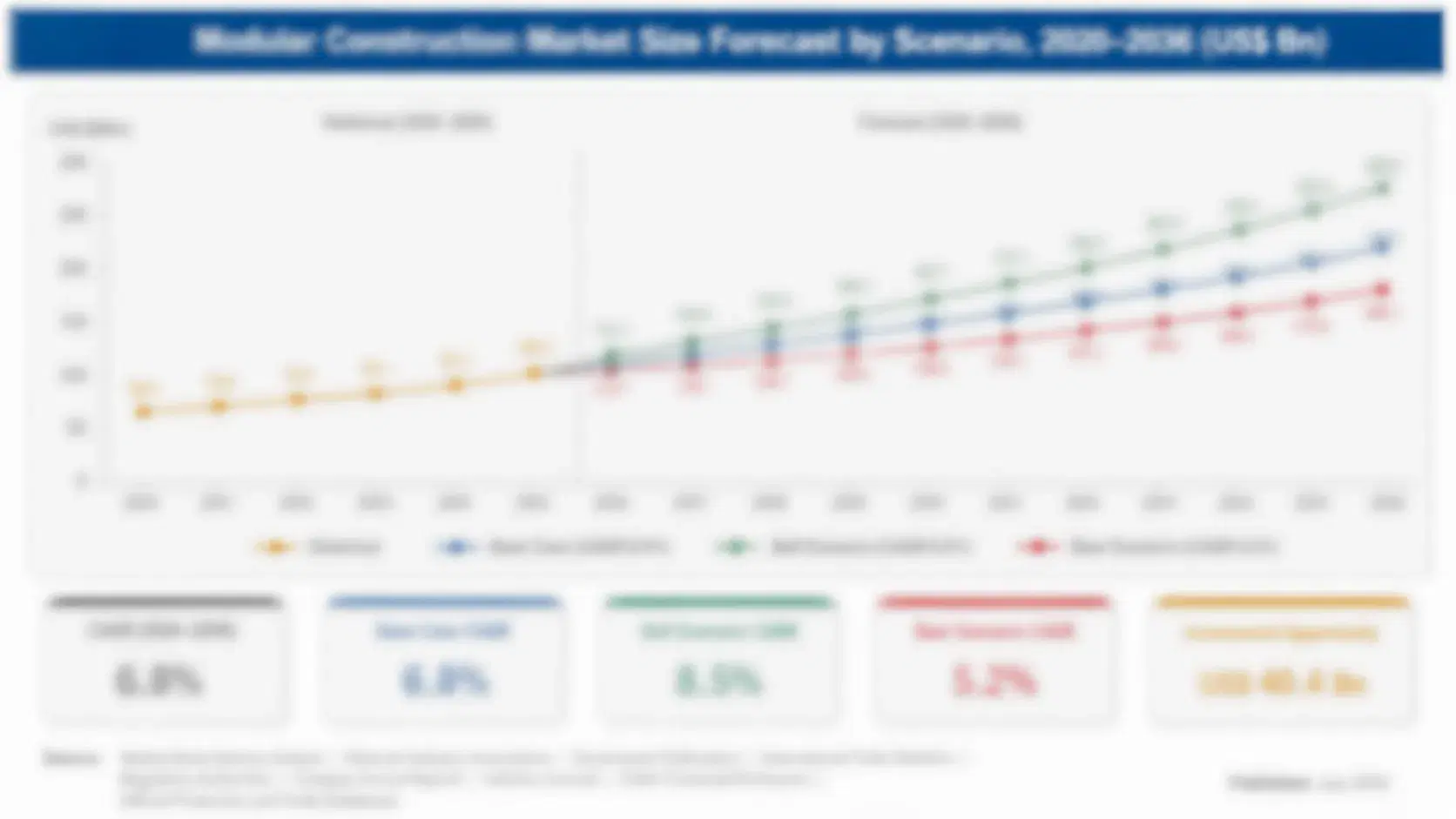
Airfield Fencing Market Forecast Scenarios

airfield-fencing-market-trends-size-forecast-scenario-1787719704205
Growth from 2020 to 2025 ran at 5.8% and airport construction carried most of it. New airfields across Asia and the Gulf each required a complete perimeter from nothing, a far larger order than any upgrade. Detection systems meanwhile moved from a specialist purchase at major hubs toward something regional airports began specifying too, though many discovered afterwards how much attention detection demands.
The 7.0% base case rests on three mechanisms. Detection systems keep spreading down from major hubs into regional airfields as costs fall and regulators ask harder questions after each reported breach. Wildlife hazard management obligations keep tightening, which drives buried skirt specification into fence lines that never had it. And Indian regional airport development keeps commissioning new perimeters where none existed before at all. None of the three needs new fencing technology.
The bull case at 8.2% assumes reported perimeter breaches prompt regulatory tightening in one or more large jurisdictions, which historically converts into specification changes within a couple of years. The bear case at 5.8% is airport capital budgets prioritising terminal and airside works, since a perimeter fence generates no revenue and its absence produces no complaint until something walks through it.

Buried, Long And Ignored

Everybody procures this as security and its principal daily function is keeping animals off a runway. Birds account for around 92% of reported strikes and no fence addresses them, but the remaining events involve deer, coyotes and hogs, and those destroy aircraft rather than damaging them. A fence stopping a deer does more for flight safety than any intruder detection ever has.
FIVE-FIRM CONCENTRATION24%Share of category revenue held by the largest suppliers
TYPICAL PERIMETER LENGTH18 kmFence line a mid-sized commercial airport must maintain
BURIED SKIRT DEPTH600 mmDepth required to stop burrowing animals passing under
BIRD STRIKE SHARE92%Strike events involving birds rather than ground animals
ACCEPTABLE NUISANCE ALARMS1 weeklyFalse alerts a control room will tolerate per kilometre
INSTALLATION COST MULTIPLE3 timesCost of buried airfield fence against ordinary perimeter fence
Animals do not climb, they dig, which changes the product entirely. An effective airfield fence carries a buried skirt to roughly 600 millimetres, which turns the job from fencing into groundworks costing about three times ordinary perimeter installation. Ground conditions, drainage crossings and existing services all become project problems. The supplier who has not walked the line before quoting will lose money.
Detection moved into the fence and brought a specification problem. A mid-sized airport maintains around 18 kilometres of perimeter, and a control room tolerates roughly one nuisance alarm per kilometre weekly before staff ignore it. Wind, wildlife, vegetation and vibration all generate alerts. A system that cries wolf across eighteen kilometres is worse than no system, because it creates a documented capability nobody actually watches. Everybody underweights that at procurement and discovers it within a month.
"They buy it to stop people and it earns its keep stopping deer. Then they add detection across eighteen kilometres, it alarms forty times a night, and within a month somebody has quietly turned the zone off."
Director, Aviation Infrastructure Practice · MMA Aviation Infrastructure and Perimeter Security Practice · August 2026

Market Trends

Fences Acquire Sensors And A Nuisance Problem

Fibre optic, accelerometer and taut wire systems turn a barrier into a detection line, and adoption grows at 10.5% as costs fall and regulators ask harder questions after every reported breach. The specification that decides success is nuisance alarm rate rather than detection probability, because a control room tolerating roughly one false alert per kilometre weekly will simply switch off any zone exceeding it. Vendors quote detection performance and buyers discover the other number afterwards. Buyers discover the other number within a month of the system going live at the site.
Market Impact: Excludes the 8% that matter
Wildlife Obligations Push Burial Into Existing Fence Lines

Wildlife hazard management requirements have tightened steadily, and an existing perimeter without a buried skirt does not exclude the ground animals that cause the damaging strikes. Retrofitting burial along an operating airfield boundary is considerably harder than building it new, since the trench crosses drainage, services and taxiway access. Growth at 7.2% reflects work that is genuinely difficult to execute rather than any expansion in the length of fence being maintained. Nobody enjoys trenching across an operating taxiway access route, which is why so much of this work simply waits.
Market Impact: Grows India fastest at 9.0%

Market Opportunities and Growth Drivers

Ground Animal Strikes Cause The Catastrophic Outcomes

Birds account for around 92% of reported strikes and produce mostly damage rather than loss, while a deer or similar ground animal at rotation speed is a different category of event entirely. Wildlife hazard management obligations exist for exactly that reason, and the perimeter fence is the primary engineered control against it. That argument justifies expenditure that intruder security alone has repeatedly failed to justify at regional airfields with modest budgets. A fence is the only engineered control anybody has against an animal simply walking out onto an active runway.
Market Impact: Tolerates 1 alarm per kilometre

Indian Regional Airfields Commission Perimeters From Nothing

Regional airport development across India is commissioning aerodromes where no perimeter existed at all, which is a complete installation rather than an upgrade and therefore a far larger order. India grows fastest of any country at 9.0%. Local civil contractors execute most of that work, with specialist suppliers contributing detection systems and gates rather than the fence line itself, which is where the majority of the value actually sits. A complete perimeter at a new aerodrome is a far larger order than any upgrade at an existing one ever is.
Market Impact: Competes for 0 revenue return

Market Restraints and Challenges

An Ignored Detection System Is Worse Than None

A control room tolerates roughly one nuisance alarm per kilometre per week, and across 18 kilometres of perimeter a poorly tuned system produces far more than that within days of commissioning. Root cause is that wind, vegetation, wildlife and vibration all look like intrusion to a sensitive sensor. Commercial impact is systems switched off zone by zone. Mitigation runs through proper site tuning, vegetation management and classification software, which costs commissioning time nobody budgets. Nobody budgets the tuning hours properly and everybody pays for skipping them very soon afterwards instead.
Market Impact: Grows detection systems at 10.5%

Perimeter Spending Competes With Revenue Projects

A fence generates no passenger revenue, occupies no retail floor and produces no complaint until something walks through it, which places it last in every airport capital planning discussion it has ever entered. Root cause is that prevention is invisible when it works. Commercial impact is deferred renewal and patched rather than replaced fence lines. Mitigation involves regulatory obligation and wildlife strike data, both of which move budgets in a way commercial argument never has. A regulator asking a question moves a budget that no business case ever has done.
Market Impact: Buries skirts to 600 millimetres
3 additional market trends, 2 additional growth drivers, and 4 additional restraints and challenges are covered in the full report. Contact sales@marketmindsadvisory.com to access the complete intelligence.

Segment CAGR and Growth Architecture

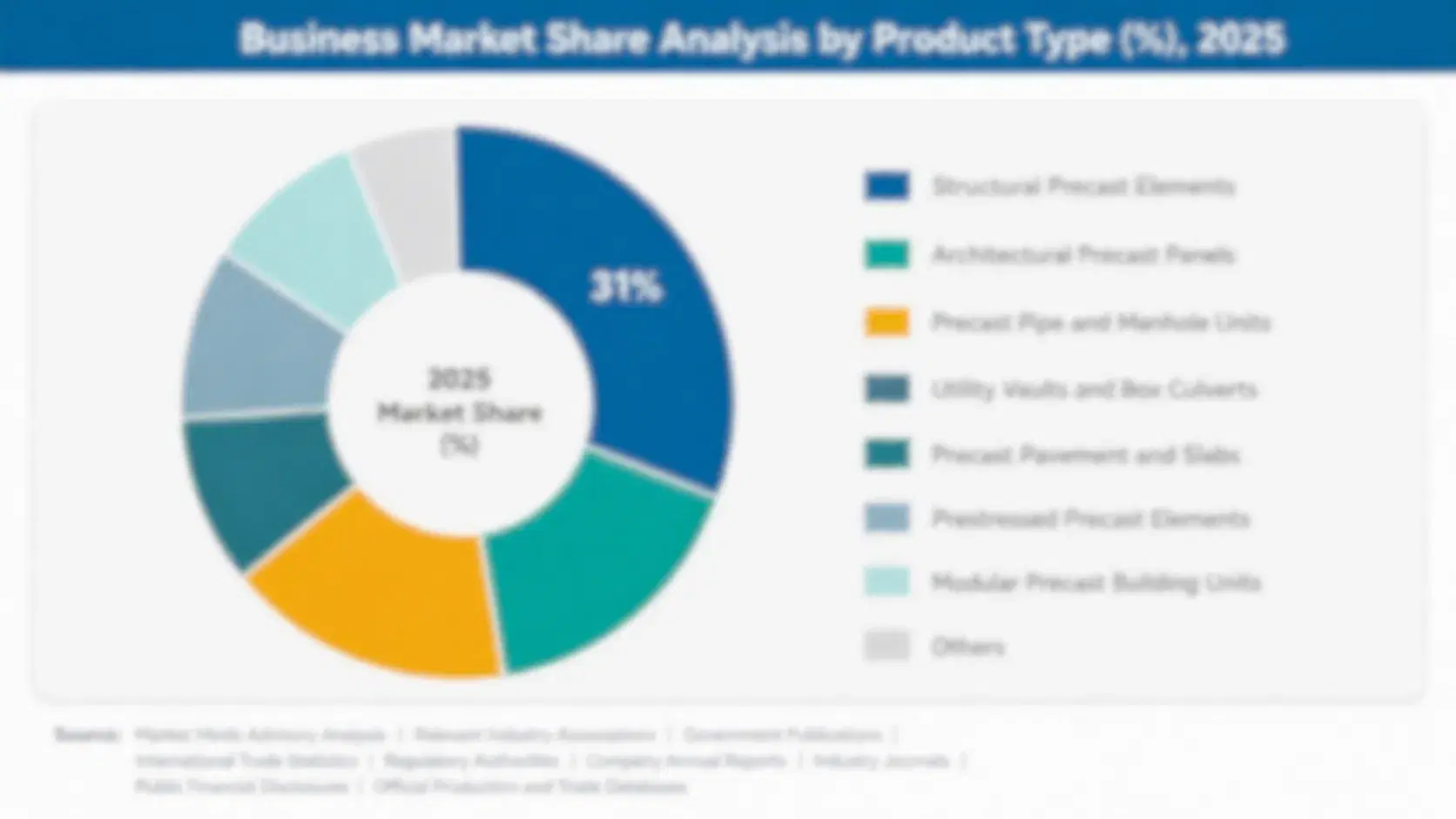
Segmentation follows system type: what is physically installed along or through the boundary and what function it performs there. Six categories cover the market without overlap. Airport size, procurement route and regulatory jurisdiction are treated as separate commercial dimensions throughout this report rather than as segmentation logic in their own right, since each cuts across everything.
airfield-fencing-market-trends-market-share-analysis-1787719704538

Perimeter Intrusion Detection Systems

Fibre optic sensing cable, accelerometer arrays and taut wire systems grow at 10.5%, half again the market rate of 7.0%, as detection moves down from major hubs into regional airfields and as regulators question perimeter capability after every reported breach. Nuisance alarm rate rather than detection probability decides whether a system survives its first month, since a control room will switch off any zone producing more than roughly one false alert per kilometre weekly. Commissioning and tuning effort determines that outcome far more than any sensor specification does. Vendors quote the first number and buyers discover the second within a month, which is a pattern this segment has repeated everywhere it has been deployed.
CAGR 10.5%

Gates, Vehicle Barriers and Access Control

Gates, road blockers, bollards and access control grow at 8.4% because a perimeter is only as strong as the point where it deliberately opens, and airfield boundaries carry service road, fuel, cargo and maintenance access alongside the main entrances. Crash-rated barrier specification applies where a vehicle could reach the airside movement area. Reliability under high cycle count matters more than rating here, since a gate failing open is a perimeter breach and a gate failing shut halts operations that nobody can afford to have halted. Duty cycle rather than crash rating is what most of these points actually need specifying against, and nobody ever writes that into a tender document.
CAGR 8.4%
Full segment breakdown across 6 segments available in the complete report.

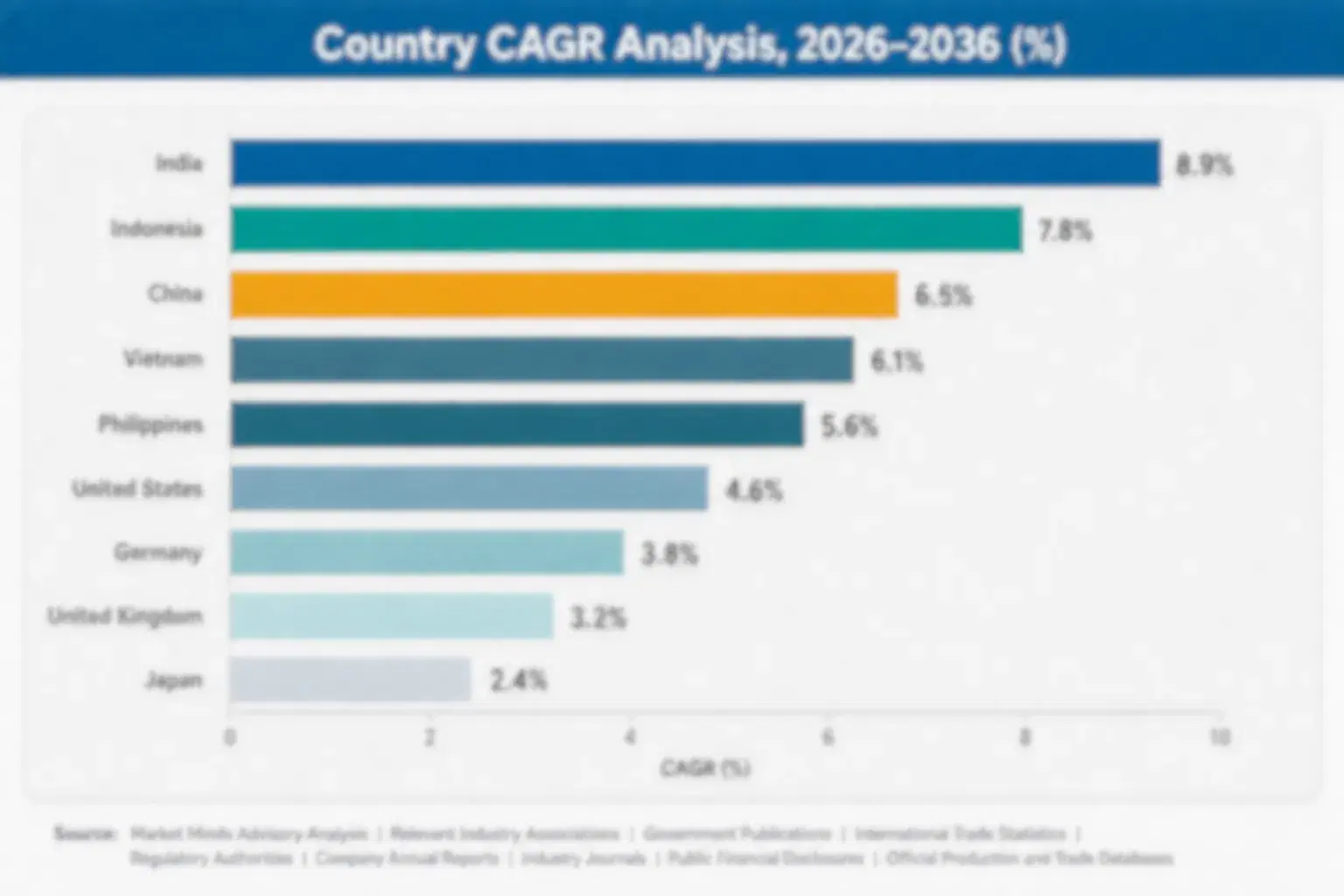
Regional Architecture and Country Demand Map

Geography follows airport construction and expansion rather than passenger numbers, since a new airfield requires an entire perimeter. East Asia leads on new build, and the Gulf carries unusual weight for its size. Passenger numbers alone explain remarkably little about where this spending actually happens.

North America

Wildlife hazard management obligations are well established and enforced, with strike reporting data that makes the case for buried fence specification considerably easier than commercial argument ever does. Thousands of general aviation fields carry perimeters that would not meet commercial standards, which is a large deferred renewal requirement nobody has funded. Federal airport improvement funding covers perimeter work at qualifying fields, which is the mechanism through which most upgrades actually happen. Detection adoption is concentrated at larger commercial airports. Nuisance alarm problems are well documented here and several large airports have disabled detection zones rather than fund the tuning and vegetation management that would have kept them running properly instead.
Share: 25% | CAGR: 6.2% (2026 to 2036)

Western Europe

Perimeter requirements are set through European aviation safety rules and national supplements, with detection expected at commercial airports and wildlife management obligations applying across the board. Airport capital budgets have been constrained, which shows in deferred fence renewal rather than in any relaxation of standard. Coastal and de-icing chemical corrosion drives higher galvanising and coating specification than most regions require. Specialist British and Benelux fencing manufacturers hold genuine positions built on aviation experience. Nuisance alarm performance is scrutinised more closely at tender here than in most regions, partly because operators have already disabled systems at several airports and partly because control room staffing is expensive enough to make the number matter.
Share: 21% | CAGR: 5.4% (2026 to 2036)
Regional intelligence for 5 additional markets available in the complete report: East Asia, South Asia and Pacific, Latin America, Middle East and Africa, Eastern Europe. Contact sales@marketmindsadvisory.com.
airfield-fencing-market-trends-country-cagr-analysis-1787719704863

Selling Groundworks And Quiet Alarms

Perimeters run around 18 kilometres, skirts bury to 600 millimetres at three times ordinary fencing cost, birds cause 92% of strikes and control rooms tolerate one nuisance alarm per kilometre weekly. Four levers work on wildlife justification, alarm tuning, groundworks scoping and access point reliability rather than on any fencing product specification at all.

Justify The Fence On Wildlife, Not Intruders

Birds cause around 92% of strikes and no fence touches them, while ground animals cause the events that destroy aircraft, and wildlife hazard management obligations exist precisely to address that. Framing perimeter investment as the primary engineered control against ground animal incursion moves budget that intruder security argument has repeatedly failed to move at regional fields. Strike reporting data supports it directly, which no security argument has ever been able to claim for itself. No security argument has ever had reporting data behind it in the way this one does.
Market Impact: Addresses the 8% of strikes that destroy aircraft

Sell Commissioning Time, Not Sensor Specification

A control room tolerates roughly one nuisance alarm per kilometre weekly and across 18 kilometres a poorly tuned system exceeds that within days, after which zones get switched off quietly and permanently. Detection probability is what vendors quote and nuisance rate is what determines whether the system survives. Selling proper site tuning, vegetation management and classification setup as part of the contract prevents the failure that everybody currently discovers a month after handover. Nobody budgets those hours properly and everybody pays for skipping them within a single month or so.
Market Impact: Holds to 1 alarm per kilometre each week

Walk The Line Before Quoting Anything

Burial to around 600 millimetres turns fencing into groundworks costing about three times an ordinary installation, and ground conditions, drainage crossings and buried services all become project problems discovered during excavation rather than during quotation. Suppliers who survey the boundary before pricing avoid the losses that make this work unattractive to everybody else. It lengthens the tender considerably and it is the difference between a profitable contract and a painful one. Competitors who skip the survey win the tender and then then discover all the drainage during the excavation instead.
Market Impact: Prices a 3 times cost multiple correctly instead

Specify Access Points For Cycle Count Reliability

A perimeter is only as strong as where it deliberately opens, and airfield boundaries carry service, fuel, cargo and maintenance access alongside main entrances that cycle many times daily. A gate failing open is a breach and one failing shut halts operations, so reliability under high cycle count matters considerably more than crash rating at most of those points. Specifying rating without specifying duty cycle produces barriers that fail in exactly the wrong direction. A service gate cycling 200 times daily fails on duty long before anything ever tests its rating.
Market Impact: Grows the access control segment at 8.4% annually

Who Controls the Margin Pool

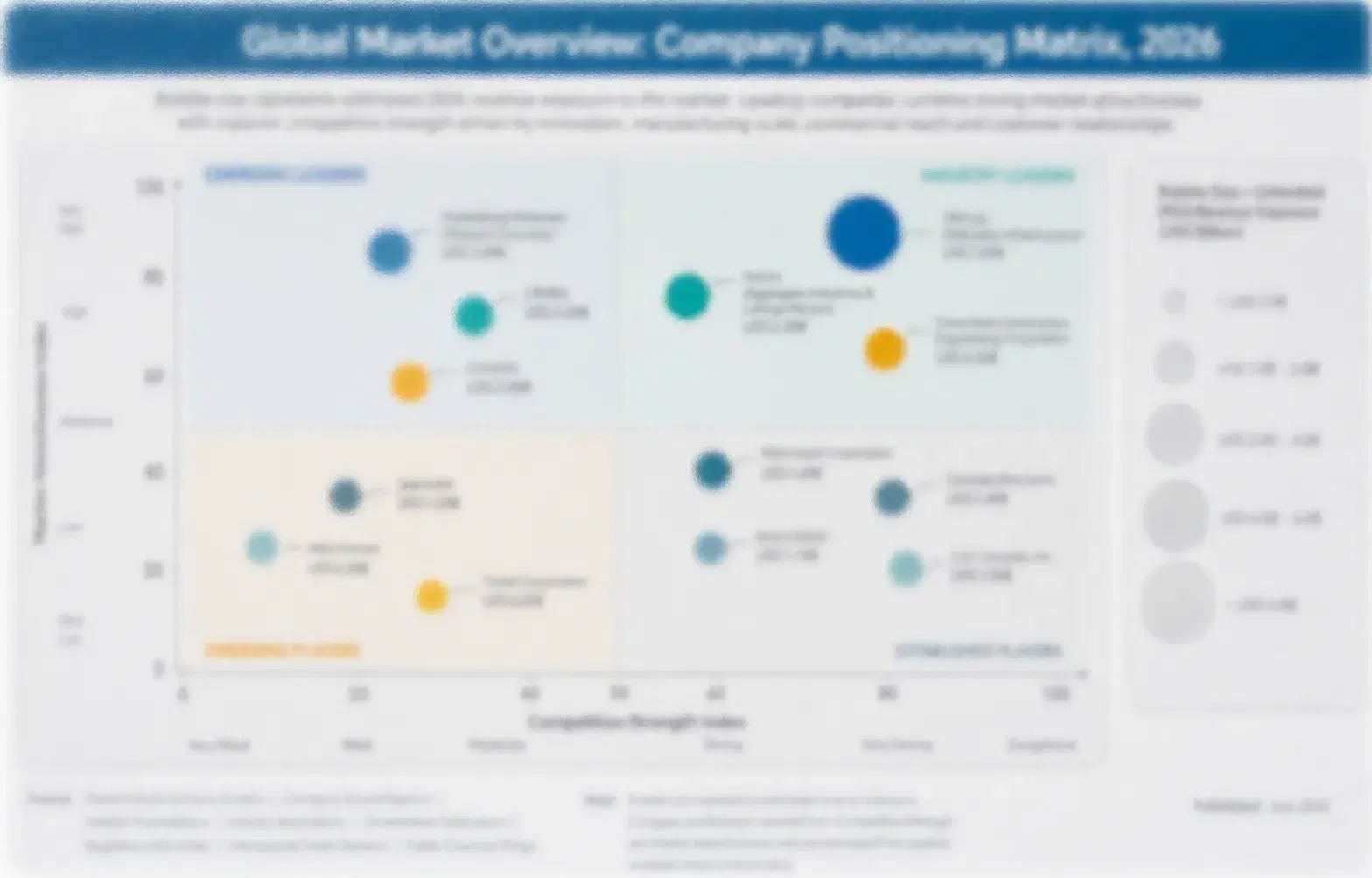
Measured on disclosed perimeter security and fencing project revenue, the five largest suppliers hold a CR5 of just 24%, which is among the lowest anywhere in aviation infrastructure because most of this work is executed by regional civil contractors with no aviation specialism and no brand. Betafence, Zaun and Jacksons hold specialist fencing positions built on aviation experience, Ameristar carries perimeter security depth, and Senstar supplies detection systems into projects other companies build. Nobody in the group leads a majority of projects.
Three contests define activity. Fence line supply competes on price against local civil contractors who win on groundworks capability rather than on product. Detection competes on nuisance alarm performance, which nobody quotes and everybody discovers. And gates and barriers compete on rating and duty cycle together. Frangible fencing competes in a small field on approval alone.

Pressure builds from domestic Asian manufacturers now supplying both fencing and detection at prices international suppliers decline to match. Rankings shift toward whoever can execute groundworks credibly, since that is where the majority of project value actually sits. Aviation specification knowledge is worth less than an excavator and a cleared crew.
airfield-fencing-market-trends-company-positioning-matrix-1787719705256

Competitive Moat and Risk Dimensions

BETAFENCE

Moat: Aviation Specification And Project Experience

The company holds genuine aviation perimeter experience across many airfields, which matters because the specification involves burial, frangibility near runway strips and corrosion requirements that ordinary fencing contractors have never encountered. Reference installations at operating airports carry real weight in a tender. A general contractor bidding on price still has to convince an airport that has read the specification properly.
BETAFENCE

Risk: Groundworks Decides The Contract

Roughly three times ordinary installation cost sits in excavation, drainage crossings and buried services rather than in the fence itself, which is civil contracting rather than fencing supply. Product specialism does not win work where the majority of value is groundworks. Local contractors with excavation capability and no aviation experience win contracts regularly on exactly that basis.
SENSTAR

Moat: Detection Performance And Site Tuning

Senstar supplies perimeter detection with the commissioning and tuning capability that determines whether a system survives its first month, which is a service competence rather than a product feature and one that competitors consistently under-resource. Airports that have switched off a previous system remember who tuned the replacement properly. That reputation is built one difficult site at a time.
SENSTAR

Risk: Nuisance Rate Never Quoted

Tenders compare detection probability and price, neither of which predicts whether a control room will keep the system enabled across 18 kilometres of perimeter. A supplier investing properly in commissioning competes against quotations that assume none of it. Winning on the criterion that actually matters requires the buyer to ask about it first.

Players Tracked

Prominent Players

Betafence
Zaun
Jacksons Fencing
Ameristar Perimeter Security
Senstar

Other Key Players

Gallagher Group
Southwest Microwave
Optex
Detection Technologies
CIAS Elettronica
Heras
Bekaert
Hesco
Delta Scientific
Nasatka Barriers
Frontier Pitts
Avon Barrier
Barkers Fencing
Tymetal
Guangdong Bosheng

Recent Developments

MARCH 2025

Aviation authority tightens wildlife hazard perimeter requirements

A national aviation authority tightened perimeter requirements within its wildlife hazard management rules, specifying exclusion measures against burrowing and ground animals at certificated aerodromes. This was a regulatory decision rather than any commercial development, and it applied to existing fence lines as well as to new installations.
Signal: Wildlife obligation moves perimeter budgets in a way that security argument has never once managed to.
JULY 2025

Airport disables detection zones after sustained nuisance alarm rate

A commercial airport disabled several perimeter detection zones following a sustained nuisance alarm rate that control room staff could not manage alongside other duties. This was an operational decision rather than any equipment failure, and the system had been commissioned without site-specific tuning or vegetation management.
Signal: A system that nobody is watching is a documented capability providing no actual protection whatever at all.
NOVEMBER 2025

Regional airport programme awards complete perimeter installation contracts

A regional airport development programme awarded complete perimeter installation contracts covering fencing, buried exclusion skirts, gates and detection at several new aerodromes. These were public procurement awards rather than corporate transactions, and local civil contractors led the bids with specialist suppliers subcontracted in underneath them.
Signal: Groundworks capability rather than fencing specialism decides who is able to lead these particular bids at all.

Steel, Zinc And Excavation

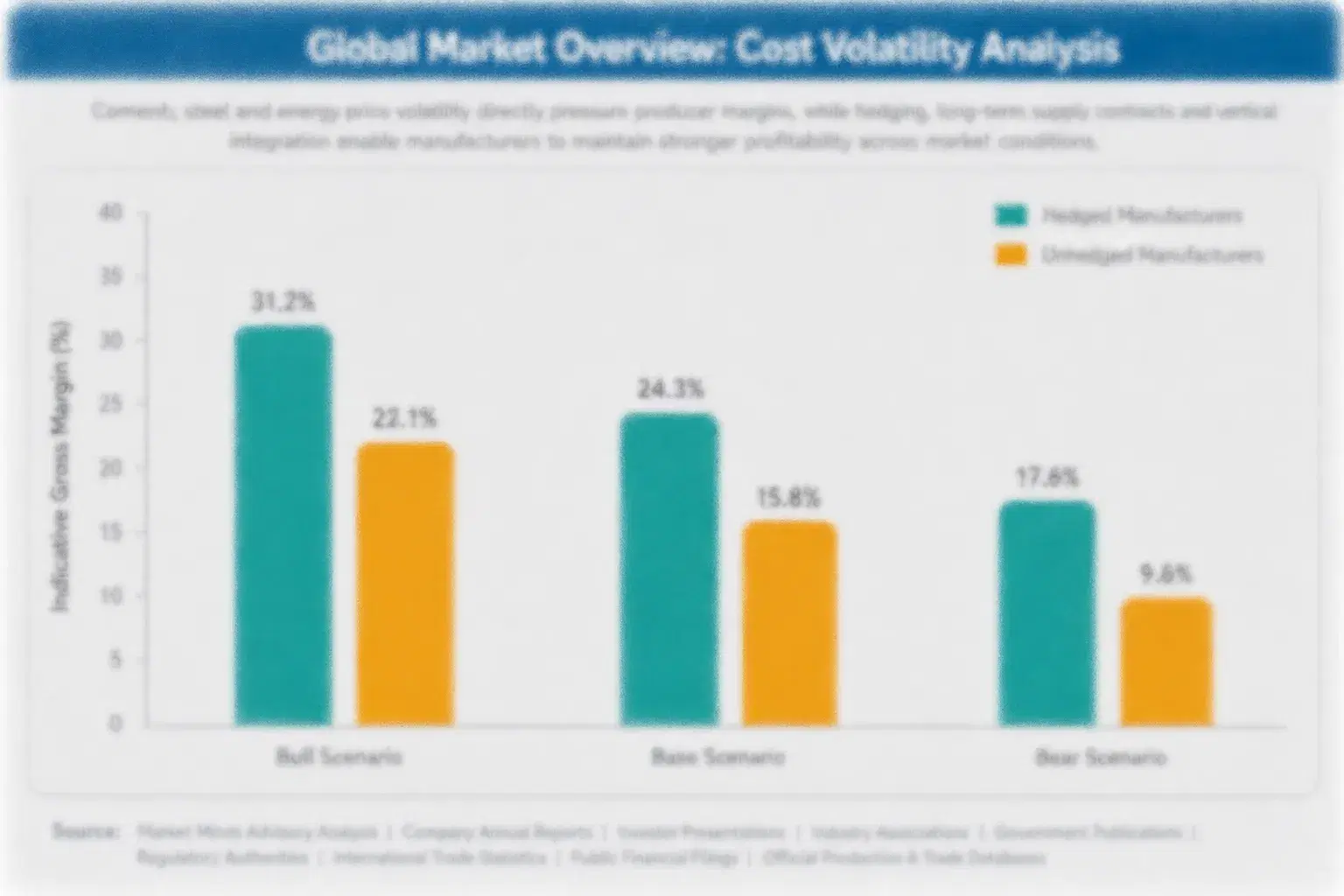
Cost sits about equally between materials and moving earth. Galvanised steel wire mesh and welded panels, tubular steel posts, zinc coating and polymer finishing, concrete for footings, sensor cable where detection is fitted, and excavation and installation labour together account for 62 to 74% of project cost. Labour and groundworks alone frequently exceed the fence materials, which is why this behaves like civil contracting rather than like product supply.
Two things moved. Steel and zinc pricing rose sharply through 2021 and 2022, which United States Geological Survey commodity data records, and galvanising specification at coastal and de-icing exposed airfields requires heavier coating than ordinary fencing carries. Construction labour costs rose across the same period in most developed markets, and excavation crews with airside security clearance are a considerably smaller pool than general groundworks labour anywhere.

Exposure divides by contract structure rather than by product. Suppliers holding fixed-price contracts through projects running many months carry every commodity and labour movement themselves. Those working as subcontractors on detection or gates carry far less. Local civil contractors with their own plant and crews hold a cost position on the groundworks half that no specialist fencing manufacturer importing product can approach anywhere at all.
airfield-fencing-market-trends-cost-volatility-analysis-1787719705577

Survey ground conditions before fixing any price

Burial to around 600 millimetres crosses drainage, buried services and variable ground along kilometres of boundary, and every one of those becomes a cost discovered during excavation rather than during quotation. Site survey costs tender time and occasionally loses a bid to somebody who did not bother. It prevents the losses that make airfield work unattractive to competent contractors.

Specify galvanising for the actual exposure environment

Coastal salt and de-icing chemical exposure attack ordinary galvanised coating far faster than inland conditions, and a fence specified to general standard corrodes through within a fraction of its expected life. Heavier coating and polymer finishing cost more at installation. They avoid a replacement cycle that arrives a decade early and that the original supplier is invariably blamed for.

Secure cleared excavation crews ahead of award

Airside groundworks requires security cleared crews and escorted access, and that labour pool is far smaller than general construction labour in every market. Securing availability ahead of contract award costs commitment against work that may not be won. It prevents the programme delays that follow discovering after award that nobody available can actually work inside the boundary.

Portfolio Architecture for Margin Defence

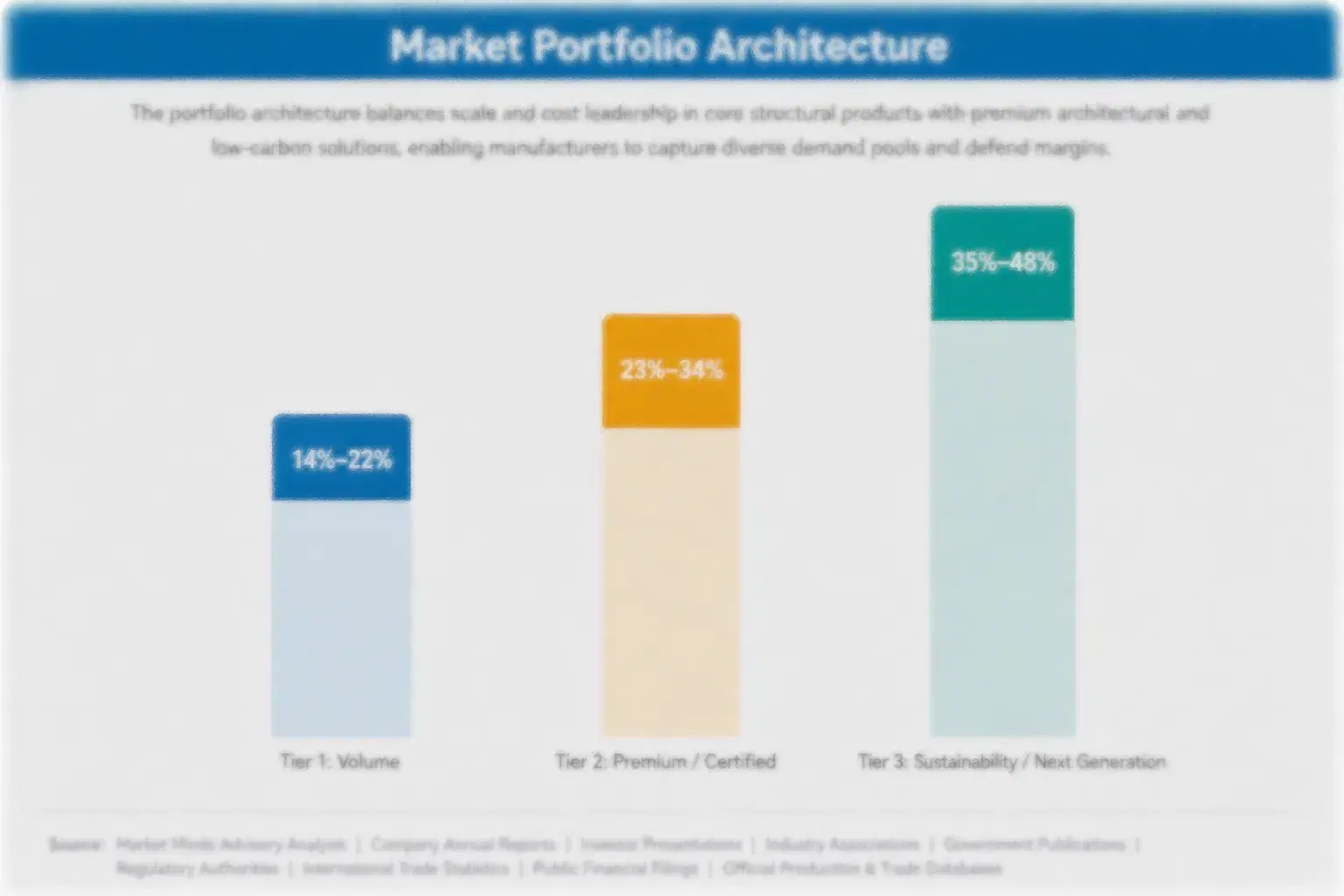
Margin follows specialism rather than project size, which is why the largest contracts are frequently the least attractive. Fence line supply and installation earns thinly against civil contractors with their own plant. Frangible runway strip fencing earns modestly on small quantities. Wildlife exclusion works earn reasonably where burial expertise counts. Gates and vehicle barriers earn well on rating and reliability. Detection systems earn better. Inspection and maintenance services earn best, on recurring obligation nobody can avoid.
The tension is that the bulk of project value sits in groundworks that specialist suppliers cannot execute and civil contractors cannot specify. A fencing manufacturer bidding a complete perimeter subcontracts the excavation and carries its risk; a civil contractor bidding the same work subcontracts the specification and carries that risk instead. Neither combination is comfortable, and the contracts that go badly usually went badly at that seam.

High-value pools sit in three places. Detection commissioning and tuning, which decides whether a system survives and which competitors under-resource consistently. Inspection and maintenance services, which regulation requires and which recur across a twenty five year life. And crash-rated gates specified for high duty cycle, where getting reliability wrong stops an airport rather than merely disappointing somebody.

Volume / Commodity-Adjacent

Fence line supply and installation competing against local civil contractors holding their own plant and crews. The 10-point range separates suppliers with domestic manufacture and installation capability from those importing product and subcontracting all of the groundworks.
Gross Margin: 12-22%

Premium / Certified

Wildlife exclusion works, frangible runway strip fencing and gates supplied against aviation specification. The 14-point spread reflects how differently competitively tendered fence packages and specified barrier supply are priced within the same overall project.
Gross Margin: 26-40%

Sustainability / Regulatory / Next-Generation

Perimeter detection systems with commissioning, alongside inspection maintenance and repair services carrying regulatory obligation. The 24-point range is wide because capital detection supply and recurring service contracts operate on entirely unrelated economics within a single tier.
Gross Margin: 40-64%
airfield-fencing-market-trends-portfolio-architecture-1787719705921

High-value Sub-segments and Strategic Watch-out

Inspection And Maintenance Services

Highest margin available, recurring across a fence life of twenty five years and required by regulation rather than chosen by anybody at the airport. The risk is that airports frequently self-perform inspection to save cost and only call a supplier once something has already failed.
Gross Margin: 54-64%

Detection Commissioning And Tuning

Fastest growing at 10.5% and the service competence that decides whether a system survives its first month across 18 kilometres of perimeter. The risk is that tenders compare detection probability and price, so proper commissioning competes against quotations assuming none of it. Nobody asks about it first.
Gross Margin: 46-58%

Fence Line Supply And Installation

The volume core, carrying most project value and the least margin, executed against civil contractors with excavation plant and no aviation experience. Suppliers hold it because it anchors the relationship through which detection and gates are eventually specified. Losing it removes access to everything else.
Gross Margin: 14-24%

Fixed-Price Groundworks Exposure

The strategic watch-out. Burial crosses drainage, services and variable ground along kilometres of boundary, and every discovery happens during excavation. The risk is fixed pricing set before anybody walked the line, which is how most of these contracts go wrong. Nobody walks eighteen kilometres before bidding.
Gross Margin: 10-20%

Installed Once, Inspected Forever

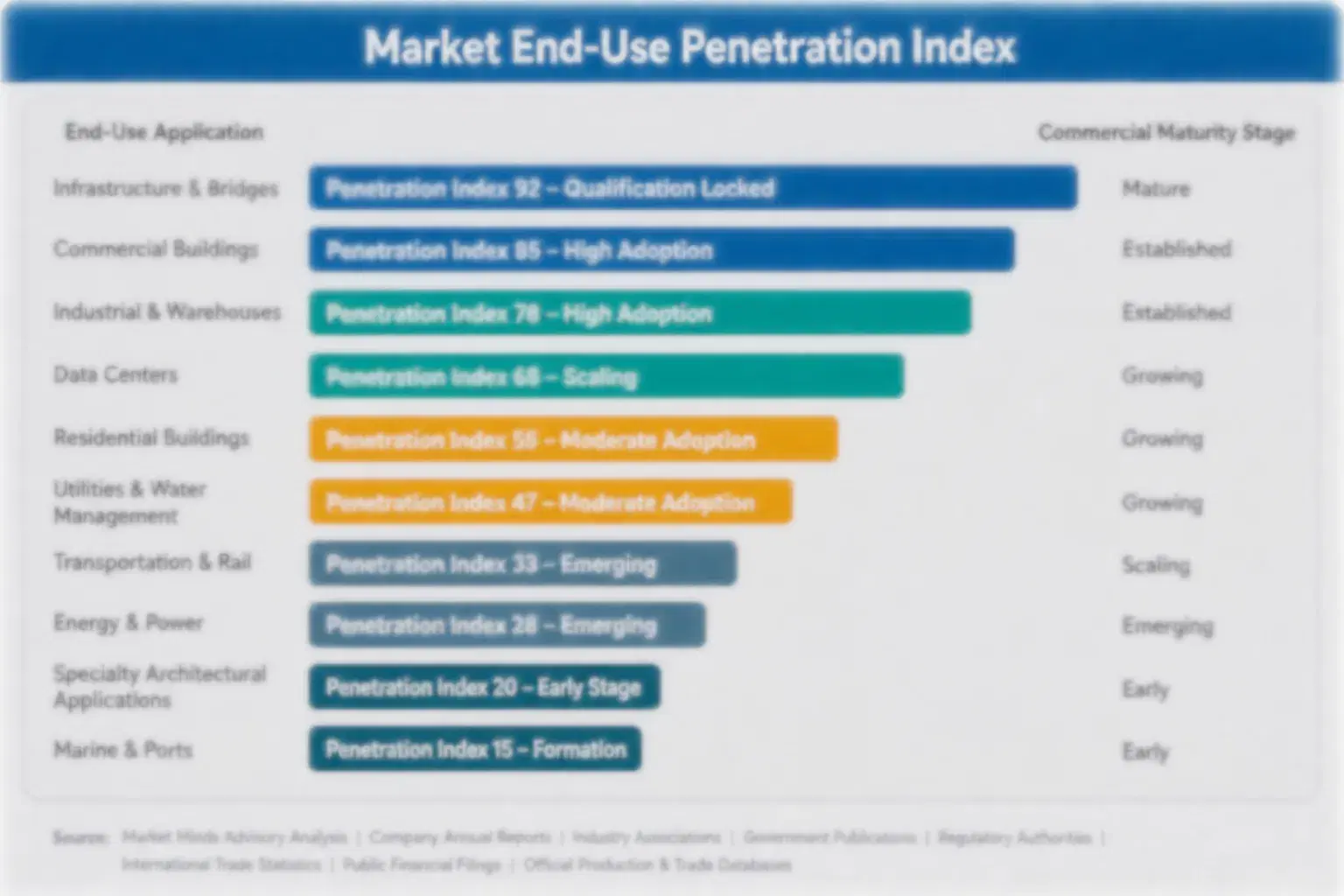
A perimeter is built once and then inspected, repaired and eventually renewed across a working life of roughly twenty five years, which produces a long service relationship from a single capital event. Regulation requires periodic inspection whether or not anything has gone wrong, and damage from vehicles, weather, vegetation and animals accumulates continuously along kilometres of boundary. That recurring obligation is worth more over time than the original contract was.
Stickiness rests on knowing the line rather than on any contract. A supplier who installed a perimeter knows where the services cross, which sections corrode first and which gates carry the heaviest duty, and an airport changing supplier loses all of that. Detection relationships are stickier still, since tuning knowledge is site-specific and painfully acquired. Fence supply into new construction is the least sticky, retendering openly on price every time.

The buyer sits between operations, engineering and security and reports properly to none of them. Operations wants the gates to work, engineering owns the asset, and security owns the detection specification, while capital planning weighs all of it against terminal projects that generate revenue. That fragmentation is why perimeter renewal defers until a regulator or an incident forces it.
airfield-fencing-market-trends-end-use-penetration-index-1787719706264

Wildlife Pays For It

These are among the four positions where our research anticipates prominent divergence between winners and laggards over the coming forecast period. Each is grounded in the demand model, the regulatory perimeter, and the announced capacity pipeline.
01 / WILDLIFE CASE BUILDING

The deer argument moves budget, the intruder one does not

Birds cause around 92% of reported strikes and no fence anywhere touches any of them, while ground animals cause the events that destroy aircraft rather than merely damaging them, which is precisely why wildlife hazard management obligations exist in the first place at all. Framing perimeter investment as the primary engineered control against ground animal incursion moves budget that intruder security argument has repeatedly failed to move. Strike reporting data supports it in a way no security case ever has.
02 / NUISANCE ALARM DISCIPLINE

A switched-off zone protects nothing at all

A single control room tolerates roughly one nuisance alarm per kilometre each week, and across 18 kilometres of perimeter a poorly tuned system exceeds that figure within days of commissioning, after which whole zones are quietly disabled and stay that way permanently. Detection probability is what every single vendor quotes and nuisance rate is what actually decides survival. Selling site tuning, vegetation management and classification setup within the contract itself prevents the failure that everybody currently discovers a month afterwards.
03 / GROUNDWORKS SCOPING DISCIPLINE

Walk the boundary before you price it

Burial down to around 600 millimetres converts simple fencing into groundworks costing roughly three times an ordinary installation, and the ground conditions, drainage crossings and buried services all become project problems discovered during the excavation rather than during any quotation. Suppliers who go and survey the whole boundary before pricing anything avoid the losses that have made this work genuinely unattractive to competent contractors everywhere. It lengthens the tender process considerably and separates the profitable contracts from the genuinely painful ones.
04 / ACCESS POINT DUTY CYCLE

Gates fail in the wrong direction constantly

A perimeter is only ever as strong as the point where it deliberately opens, and airfield boundaries carry service, fuel, cargo and maintenance access alongside main entrances that cycle many times every single day. A gate failing open is a breach while one failing shut halts operations, so reliability under a high cycle count matters considerably more than any crash rating at most of those points. Specifying a rating without any duty cycle produces exactly the wrong kind of failures.

Engagement Snapshot From the Field

A live engagement with an industry participant carrying material or product regulatory and market exposure ahead of a defining policy shift, showing how our research translates into a defensible multi-year portfolio strategy.
MARKET MINDS ADVISORY · CLIENT ENGAGEMENT SUMMARY
Airfield Fencing 2025-2035 Producer Strategic Portfolio Review and Transition Roadmap 2026·Investment Scenario on Airfield Fencing 2025-2035 Exposure Evaluation 2025-26
CLIENT PROFILE
A perimeter security contractor supplying fencing and detection to airfields across European and Asian markets, with reported project revenue of 74 million dollars (client-reported, unverified by MMA). Roughly 76% came from installation projects. Two recent fixed-price contracts had run to loss and no maintenance or inspection service offering existed anywhere in the business at all.
STRATEGIC CHALLENGE
Both loss-making contracts had overrun on excavation after encountering unmapped drainage and services along the boundary, and a detection installation at a third airport had been partially disabled by the operator within two months. Management was preparing to bid more aggressively on price to rebuild volume. That would have compounded exposure on exactly the contract structure already producing the losses.
MMA APPROACH
MMA analysed project margin against site survey practice, contract structure and commissioning hours delivered, a reconciliation the company had never performed. Twenty expert interviews with airport engineering managers, operations staff, control room supervisors and civil contractors established where projects and systems actually fail. The analysis treated survey discipline and service revenue rather than bidding aggression as the routes available.
KEY FINDINGS
  1. Neither loss-making contract had been preceded by any boundary survey, and both overruns traced entirely to ground conditions that a walk of the line would have revealed.
  2. The disabled detection zones had been commissioned with a fraction of the tuning hours the company's own engineers considered necessary for a site of that length.
  3. Control room supervisors interviewed identified nuisance alarms as the single reason systems get disabled, and none had ever been asked about it during procurement.
  4. No airport in either region had been offered an inspection and maintenance contract by the company despite regulation requiring periodic inspection at all of them.
CLIENT PROFILE
A perimeter security contractor supplying fencing and detection to airfields across European and Asian markets, with reported project revenue of 74 million dollars (client-reported, unverified by MMA). Roughly 76% came from installation projects. Two recent fixed-price contracts had run to loss and no maintenance or inspection service offering existed anywhere in the business at all.
STRATEGIC CHALLENGE
Both loss-making contracts had overrun on excavation after encountering unmapped drainage and services along the boundary, and a detection installation at a third airport had been partially disabled by the operator within two months. Management was preparing to bid more aggressively on price to rebuild volume. That would have compounded exposure on exactly the contract structure already producing the losses.
MMA APPROACH
MMA analysed project margin against site survey practice, contract structure and commissioning hours delivered, a reconciliation the company had never performed. Twenty expert interviews with airport engineering managers, operations staff, control room supervisors and civil contractors established where projects and systems actually fail. The analysis treated survey discipline and service revenue rather than bidding aggression as the routes available.
KEY FINDINGS
  1. Neither loss-making contract had been preceded by any boundary survey, and both overruns traced entirely to ground conditions that a walk of the line would have revealed.
  2. The disabled detection zones had been commissioned with a fraction of the tuning hours the company's own engineers considered necessary for a site of that length.
  3. Control room supervisors interviewed identified nuisance alarms as the single reason systems get disabled, and none had ever been asked about it during procurement.
  4. No airport in either region had been offered an inspection and maintenance contract by the company despite regulation requiring periodic inspection at all of them.
RECOMMENDED STRATEGY
Phase 1: Phase one: make boundary survey mandatory before any fixed price is submitted, accepting the tenders lost to competitors who skip it. Phase 2: Phase two: price commissioning and tuning hours into every detection bid rather than treating them as a variable to be compressed. Phase 3: Phase three: launch inspection and maintenance contracts across the installed base, since regulation requires that work regardless of anything else.
OUTCOME
Survey discipline lost two tenders and prevented a third loss-making award that a competitor subsequently took and struggled with. Commissioning hours were priced into bids and the disabled zones at the third airport were retuned and re-enabled (client-reported, unverified by MMA). Maintenance contracts were signed at six airports within three quarters. Bid pricing was not reduced.

Frequently Asked Questions

Foundational context covering the market sizes, CAGR, scope, country, region and competition that inform every finding below. This section is provided to cover basics and most often pre-purchase conversations, answered from the MMA Primary Research Dataset.

What is the current size of the Airfield Fencing Market?

The market was worth 1.4 billion dollars in 2025, covering perimeter fencing, wildlife exclusion, detection systems, gates, frangible fencing and maintenance services. It reaches 1.50 billion dollars in 2026.

How large will the Airfield Fencing Market be by 2036?

MMA forecasts 2.95 billion dollars by 2036, an increase of 1.45 billion dollars over the 2026 base. That represents an expansion multiple of 1.97 times across the forecast period.

What is the CAGR for the Airfield Fencing Market 2026 to 2036?

The base case compounds at 7.0% annually. The bull case reaches 8.2% if reported breaches prompt regulatory tightening, while the bear case sits at 5.8% on capital budgets prioritising revenue projects.

Which segment is growing fastest?

Perimeter intrusion detection systems, at 10.5%, half again the market rate of 7.0%. Costs are falling and regulators ask harder questions after every reported perimeter breach.

Who are the major companies in the Airfield Fencing Market?

Betafence, Zaun, Jacksons Fencing, Ameristar Perimeter Security and Senstar lead on disclosed perimeter security and fencing project revenue. Gallagher and Southwest Microwave hold detection positions.

Which country is growing fastest?

India at 9.0%, as regional airport development commissions aerodromes where no perimeter existed at all. Those are complete installations rather than upgrades to something existing.

Report Segmentation Architecture

The full report scope spans multiple orthogonal segmentation dimensions, with cross-tabulated demand data provided for each dimension pair. Coverage extends further to regional breakdowns, trend trajectories, and the competitive detail needed to support segment-level decision-making.

By System Type

  • Perimeter Security Fencing and Barriers
  • Wildlife Exclusion Fencing and Buried Skirts
  • Perimeter Intrusion Detection Systems
  • Gates Vehicle Barriers and Access Control
  • Frangible and Runway Strip Fencing
  • Inspection Maintenance and Repair Services

By End-Use Industry

  • Major International Airports
  • Regional and Secondary Airports
  • General Aviation Aerodromes
  • Military and Government Airfields
  • Cargo and Logistics Airports
  • Heliports and Vertiports

By Commercial Dimension

  • Public Infrastructure Tender
  • Airport Capital Programme Procurement
  • Civil Contractor Subcontract Supply
  • Detection System Direct Supply
  • Framework Maintenance Contracts
  • Donor and Development Funded Projects

By Region

  • North America
  • Western Europe
  • East Asia
  • South Asia and Pacific
  • Latin America
  • Middle East and Africa
  • Eastern Europe

Scope, Methodology, and Coverage

Every figure in this report is reproducible from documented input assumptions. The scope below maps the historical period, the forecast horizon, the segmentation dimensions, and the countries covered, alongside the underlying primary and qualitative methodology.
Historical Period
2020 to 2025
Forecast Period
2026 to 2036
Base Year
2025 (USD billions; MMA Primary Research Dataset, August 2026)
Market Definition
Scope covers barriers, detection equipment, access control and lifecycle services installed at or through aerodrome and airfield boundaries, spanning perimeter security fencing and barriers, wildlife exclusion fencing and buried skirts, perimeter intrusion detection systems including fibre optic taut wire and accelerometer technologies, gates vehicle barriers and access control at boundary crossings, frangible and runway strip fencing meeting clearance requirements, and inspection maintenance and repair services across installed perimeters. Terminal building security systems, airside vehicle and ground equipment control, counter-drone detection and mitigation systems, air traffic control and navigation infrastructure, airfield lighting and marking, and general commercial industrial or agricultural fencing outside aerodrome boundaries are excluded from the market size and all derived figures. The forecast follows the standard MMA horizon of 2026 to 2036 rather than any date range appearing in the market title.
Quantitative Units
USD billions (current prices); perimeter kilometres installed; cost per kilometre; nuisance alarms per kilometre; fence service life in years
Segmentation Dimensions
By System Type; By End-Use Industry; By Commercial Dimension; By Region
Regions Covered
North America, Western Europe, East Asia, South Asia and Pacific, Latin America, Middle East and Africa, Eastern Europe
Countries Covered
China, USA, India, Germany, UK, Saudi Arabia, Japan, France, Brazil, Australia, UAE, Poland, Mexico, South Korea, Turkey
Key Companies Profiled
Betafence, Zaun, Jacksons Fencing, Ameristar Perimeter Security, Senstar, Gallagher Group, Southwest Microwave, Optex, Detection Technologies, CIAS Elettronica, Heras, Bekaert, Hesco, Delta Scientific, Nasatka Barriers, Frontier Pitts, Avon Barrier, Barkers Fencing, Tymetal, Guangdong Bosheng
Quantitative Methodology
Primary survey, n=3,800 respondents, Q4 2025, six countries; demand-side model with trade association cross-validation
Qualitative Methodology
47 expert interviews, Q4 2025; applied to validate demand model assumptions, identify emerging dynamics, and assess competitive positioning
Report Format
PDF and XLSX data workbook (Word format preview document)
Publisher
Market Minds Advisory
Report Code
MMA-2026-CON-161
Published
August 2026
Contact
sales@marketmindsadvisory.com | www.marketmindsadvisory.com

Purchase the full Airfield Fencing Market 2025-2035 Report (2026 to 2036).

The full report runs to 145 pages and covers all six system type segments, seven regions and 20 profiled suppliers in detail. It includes the complete segment CAGR set, regional airport construction and regulatory comparison, and project cost analysis separating fence materials from groundworks and commissioning. Company profiles carry evaluation on disclosed perimeter security and fencing project revenue, with moat and risk assessment for the top five suppliers. The competitive section extends to 11 tracked regulatory, operational and procurement developments across 2024 and 2025. Primary research inputs include a quantitative survey of 3,800 respondents and 47 expert interviews conducted in Q4 2025.
Six system type segments with individual CAGR forecasts
Seven regional markets with airport construction and regulatory comparison
Twenty supplier profiles on consistent revenue evaluation basis
Eleven tracked regulatory and operational developments with commercial interpretation
Project cost separated between fence materials, groundworks and commissioning
Nuisance alarm rates assessed as the determinant of system survival

Built For The People Who Decide

From boardroom strategy to bench-side execution, this report is read cover-to-cover by leaders shaping the next decade of their industry, turning demand scenarios, market dynamics and valuation benchmarks into decisions.
CXOs/ Presidents/ VPs/ Managers
M&A and Corporate Development
Strategy Teams and R&D Heads
Procurement and Product Directors
Regulatory and Compliance Leaders
Investor Relations and Equity Analysts